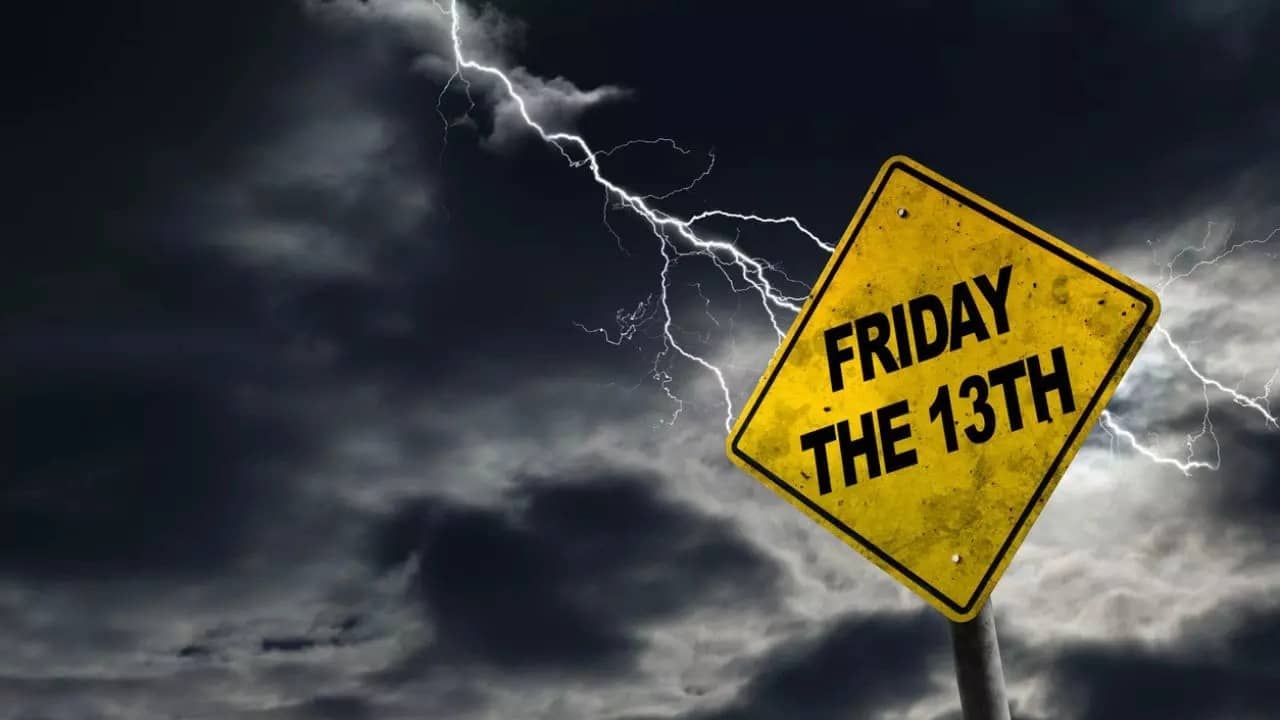
Consumption Anchoring: The Friday the 13th Effect on Content Strategy
The second Friday the 13th of 2026 functions as a high-intent consumption anchor, compelling digital platforms to deploy curated horror catalogs. Analysis of these enthusiast-driven lists reveals a low-risk strategy centered on leveraging established Intellectual Property (IP) to maximize engagement during these predictable seasonal spikes. This operational reliance on cultural dates minimizes the need for sustained, broad promotional expenditure.
Genre Stratification: Hollywood Legacy vs. Global Folklore Assets
Curated lists exhibit a clear bifurcation in promotional focus. On one axis, seminal Hollywood psychological thrillers, such as The Shining and The Exorcism of Emily Rose, maintain commercial viability as reliable traffic drivers for Transactional Video On Demand (TVOD) rentals (e.g., noted availability on Prime Video).
Conversely, the substantial inclusion of Indian features like Tumbbad and 1920 (Prime Video), and Bhool Bhulaiyaa (JioHotstar), signals the strategic elevation of folklore-driven horror. Culturally specific narratives like Tumbbad, deeply rooted in localized mythology, are emerging as high-value, globally scalable assets capable of commanding premium licensing fees by offering authenticity beyond Western tropes.
Platform Dichotomy: Catalog Depth vs. Regional Moats
The distribution landscape is defined by strategic fragmentation between Amazon Prime Video and JioHotstar. Prime Video utilizes comprehensive catalog depth, cross-listing legacy IP alongside international acquisitions (Tumbbad), aiming for maximal subscriber utility.
JioHotstar counters this with a focused defense, securing exclusive rights to culturally resonant local hits like Bhool Bhulaiyaa (a remake of Manichitrathazhu). This strategy confirms that securing unique, regionally specific IP acts as a crucial defensive moat against global aggregators in key territories.
The rapid inclusion of recent entries like The Conjuring Last Rites (2025) into Subscription Video On Demand (SVOD) tiers suggests an accelerated monetization window for franchise content, demanding immediate deployment post-release.
Narrative Mechanics and Audience Segmentation
Selection criteria target distinct viewing profiles. One segment favors meta-narrative deconstruction, exemplified by the Easter-egg density and community engagement potential of The Cabin in the Woods. Another is drawn to structural puzzles inherent in temporal mechanics, visible in the time-loop framework of Happy Death Day.
The consistent presence of hybrid genres (dark comedy/horror) indicates market maturation; packaging intense scares with tonal relief broadens accessibility beyond the core aficionado base, increasing potential viewership metrics.
Operational Implications: Catalog Utility and Capital Flow
The practice of surfacing catalog titles during calendar events demonstrates the industry’s dependency on manufactured consumption triggers. This recontextualization of older content significantly influences library acquisition valuation models. A film with proven, date-specific resonance commands higher residual licensing fees, incentivizing rights holders to maintain IP integrity for targeted re-releases.
This structure creates a capital flow favoring assets with intrinsic, time-sensitive hooks over experimental, non-franchise projects lacking immediate familiarity. Furthermore, the enthusiast as a primary curator bypasses traditional gatekeepers, allowing subjective affinity to drive algorithmic resurfacing and extend a film’s economic lifecycle.
Future Trajectories in Horror Investment
Future investment signals favor a dual-track development model: sustaining high-budget, recognizable global franchises while aggressively sourcing and scaling culturally nuanced IP. This strategy mitigates risk through diversification against localized market fatigue. The enduring appeal of temporal constraints (24-hour narratives) in select films suggests continued financial preference for high-density storytelling structures that offer predictable production profiles.