
The 2026 CrossFit Open concluded with a programmatic architecture designed to recalibrate the competitive field through high-skill technical bottlenecks and progressive metabolic endurance tests. The sequencing of Workouts 26.2 and 26.3 reveals a deliberate institutional effort to refine the talent funnel while leveraging high-profile commercial partnerships.
Workout 26.2: Technical Attrition and Skill Filters
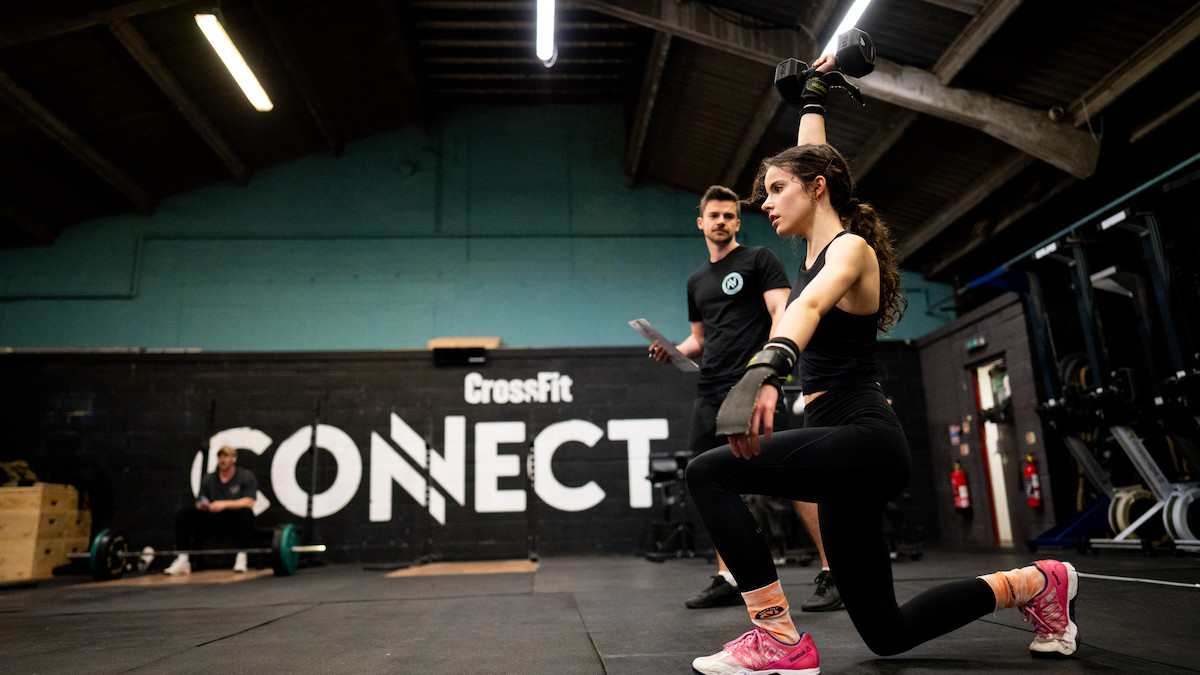
Workout 26.2 functioned as a rigorous technical pivot, reintroducing ring muscle-ups as a terminal skill in a progressive pulling ladder. This shift from the bar-based gymnastics of previous years increased the demand for shoulder stability and coordination, effectively filtering the Quarterfinal applicant pool. The metabolic primer—comprising alternating dumbbell snatches and overhead walking lunges—served to compromise midline stability before athletes reached the rig.
Quantitative performance metrics validate the efficacy of this ladder as a leaderboard separator. While over 158,000 athletes successfully navigated the chest-to-bar pull-up stage, participation collapsed at the ring muscle-up threshold, with only 9,918 women and 41,773 men recording successful repetitions. This 26.2 data underscores a persistent skill gap in the global community despite rising baseline competencies.
Institutional Strategy and Demographic Alignment
The structural mirroring of 26.2 to the prior year’s 25.2 suggests a standardized benchmarking of upper-body pulling capacity. However, the ring muscle-up requirement introduces significant logistical variables for affiliate owners, specifically regarding ceiling height and rigging configurations. Beyond gym logistics, the sponsorship by the Air National Guard highlights a continued focus on military recruitment demographics, utilizing the Open’s global reach as a high-value marketing platform for physical readiness.
The 26.3 Finale: Wodapalooza and Media Integration
The announcement of Workout 26.3 live from Wodapalooza in Miami Beach signals an evolution in CrossFit’s media strategy. By integrating the finale into a premier third-party festival, the organization maximized viewership while placing demonstration athletes like Danielle Brandon and Arielle Loewen in a high-pressure environment. The workout, a high-volume triplet of burpees over the bar, cleans, and thrusters, utilized an ascending weight format (95/65 lbs to 135/85 lbs) to test power-to-weight ratios and metabolic flexibility under a 16-minute cap.
The repetitive burpee volume—48 reps per bracket—functioned as a constant metabolic tax, complicating the technical execution of the thrusters. For the general participant base, the second and third weight tiers represented significant physiological hurdles where cardiovascular distress leads to the breakdown of barbell cycling efficiency.
Conclusion: The Evolution of Community Standards
The 2026 Open has established a new ‘standard’ for the average CrossFit athlete, moving technical gymnastics and heavy thruster volume from elite-only categories into the community baseline. As results dictate Quarterfinal seeding, the data serves as a diagnostic tool for athletes and a benchmark for affiliate coaching protocols. The season now shifts toward more sophisticated training methodologies to address the technical and metabolic weaknesses exposed by this three-week test.
Photo by Ichigo121212 on Pixabay.