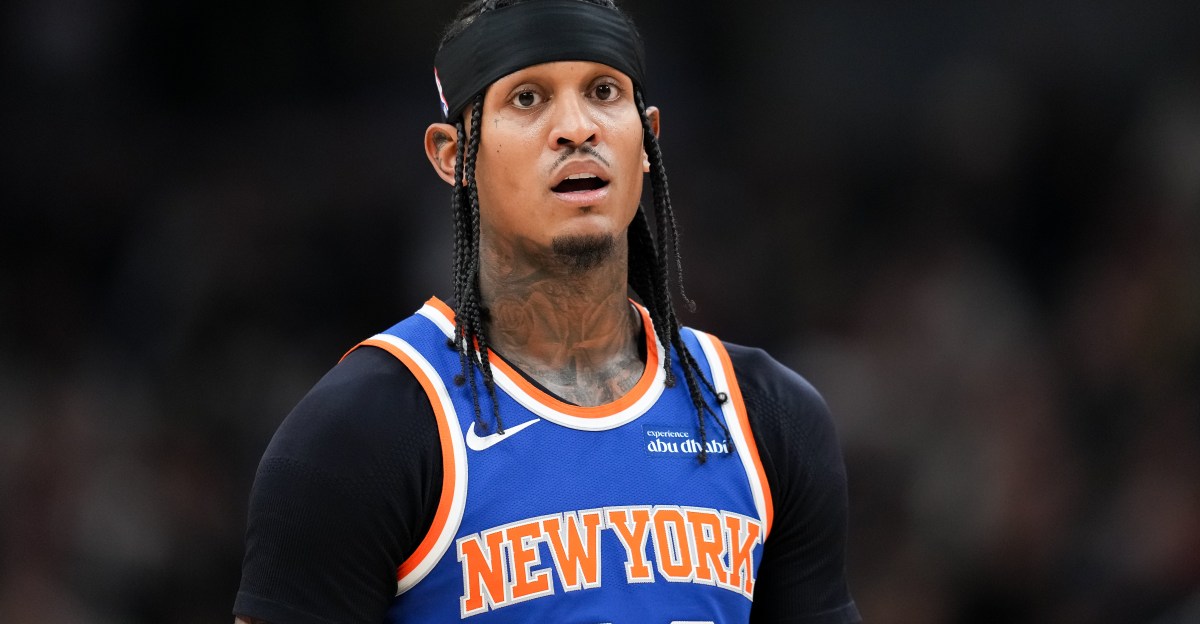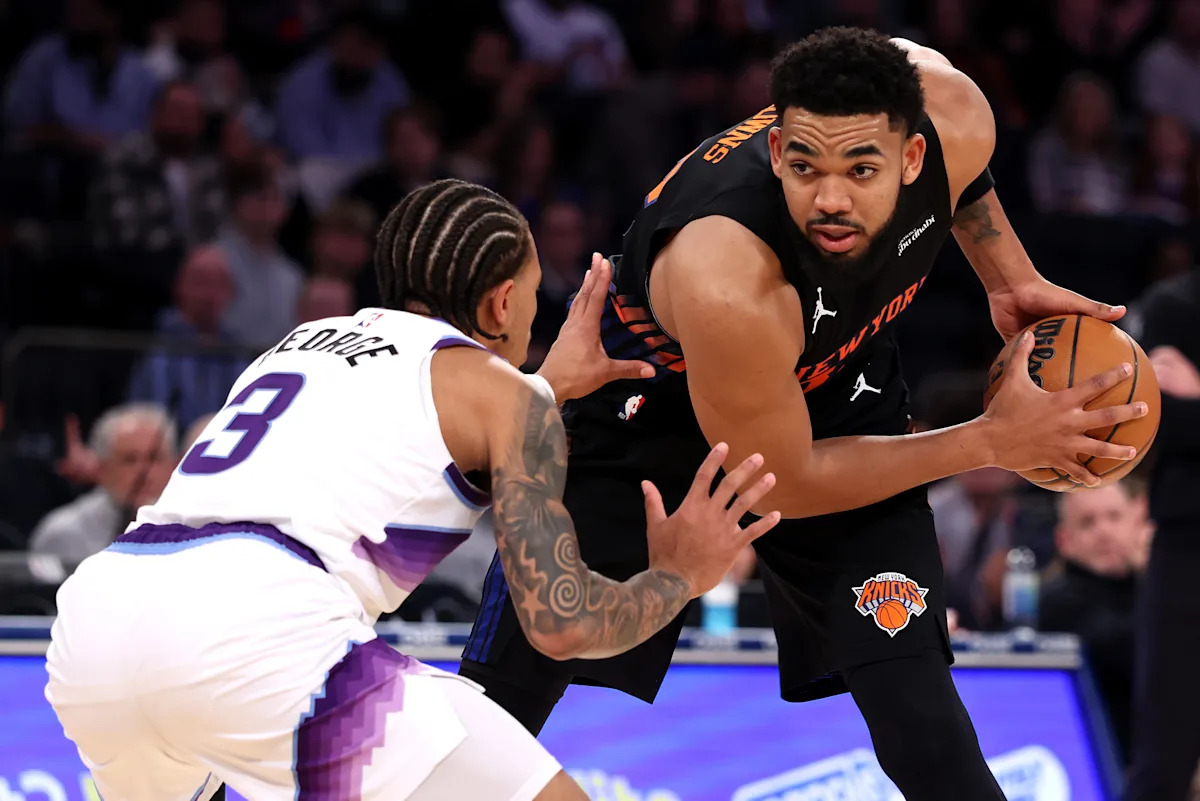
The March 11 encounter between the New York Knicks (41-25) and the Utah Jazz (20-45) at the Delta Center serves as a case study in asymmetric organizational incentives. As New York maneuvers to solidify the Eastern Conference’s third seed, Utah is navigating a controlled descent designed to optimize long-term asset acquisition. This contest transcends a standard regular-season game, functioning instead as a intersection of immediate competitive urgency and structural rebuilding.
Knicks’ Tactical Efficiency Amidst Schedule Fatigue
New York enters Salt Lake City concluding a grueling 16-game stretch where they faced 12 postseason contenders. This gauntlet, punctuated by consecutive losses in Los Angeles, has strained the roster’s physical floor. However, the matchup against Utah represents a statistical reprieve; it is only the fourth instance since early February that the Knicks have faced a sub-.500 opponent. For Tom Thibodeau’s squad, this is a ‘business trip’ focused on securing home-court advantage, an asset with significant revenue and competitive implications at Madison Square Garden.
Historically, the Knicks have exhibited ruthless efficiency as heavy favorites this season. In games where they were favored by double digits, they maintained a +28.7 average margin of victory. This trend indicates a lack of complacency, driven largely by Jalen Brunson’s floor leadership and a secondary unit, led by Miles McBride, that consistently punishes shallow opposing rotations.
Utah’s Defensive Volatility and Developmental Benchmarks
The Jazz currently possess the NBA’s least efficient defense, surrendering 124.9 points per game. This structural deficiency was exposed in their previous meeting on December 5, a 146-112 blowout in favor of New York. The lack of elite rim protection has forced a developmental roster into high-leverage defensive rotations they are currently unequipped to execute. While Utah has managed a 4-1 record against the spread recently, these successes have largely occurred against fellow lottery-bound teams rather than disciplined contenders.
Keyonte George remains the primary offensive bright spot, averaging 23.8 points and 6.2 assists. However, George’s individual ascendancy exists within a defensive vacuum. This ‘cornerstone paradox’—high-level individual production during team-wide defensive regression—poses a challenge for the coaching staff. Facing Brunson, who notched 33 points in their last meeting, provides George with a vital benchmark for elite playmaking efficiency.
The Tankathon Factor: The Race for AJ Dybantsa
The macro-narrative for Utah is governed by the ‘Tankathon’ standings. With the Dallas Mavericks trailing them by a single game in the loss column, Utah’s priority is maintaining a top-five lottery position to ensure pick retention. The prospect of securing a generational talent like AJ Dybantsa has shifted the franchise’s focus from tactical wins to asset optimization. In this context, a lopsided loss to a superior Knicks team is viewed through the lens of strategic positioning rather than competitive failure.
Market Analysis: Deciphering the -14.5 Spread
The substantial -14.5 point spread reflects the market’s recognition of the talent and motivational gap between the two franchises. While Utah’s young core is capable of late-game scoring surges, the Knicks’ methodical pace (ranked No. 24 in the NBA) is designed to minimize variance and suppress ‘garbage time’ volatility. Bettors are weighing New York’s history of covering large margins against Utah’s unpredictability as high-volume underdogs. Ultimately, the game’s outcome will likely validate the Knicks’ status as a disciplined contender and Utah’s commitment to its long-term rebuilding architecture.