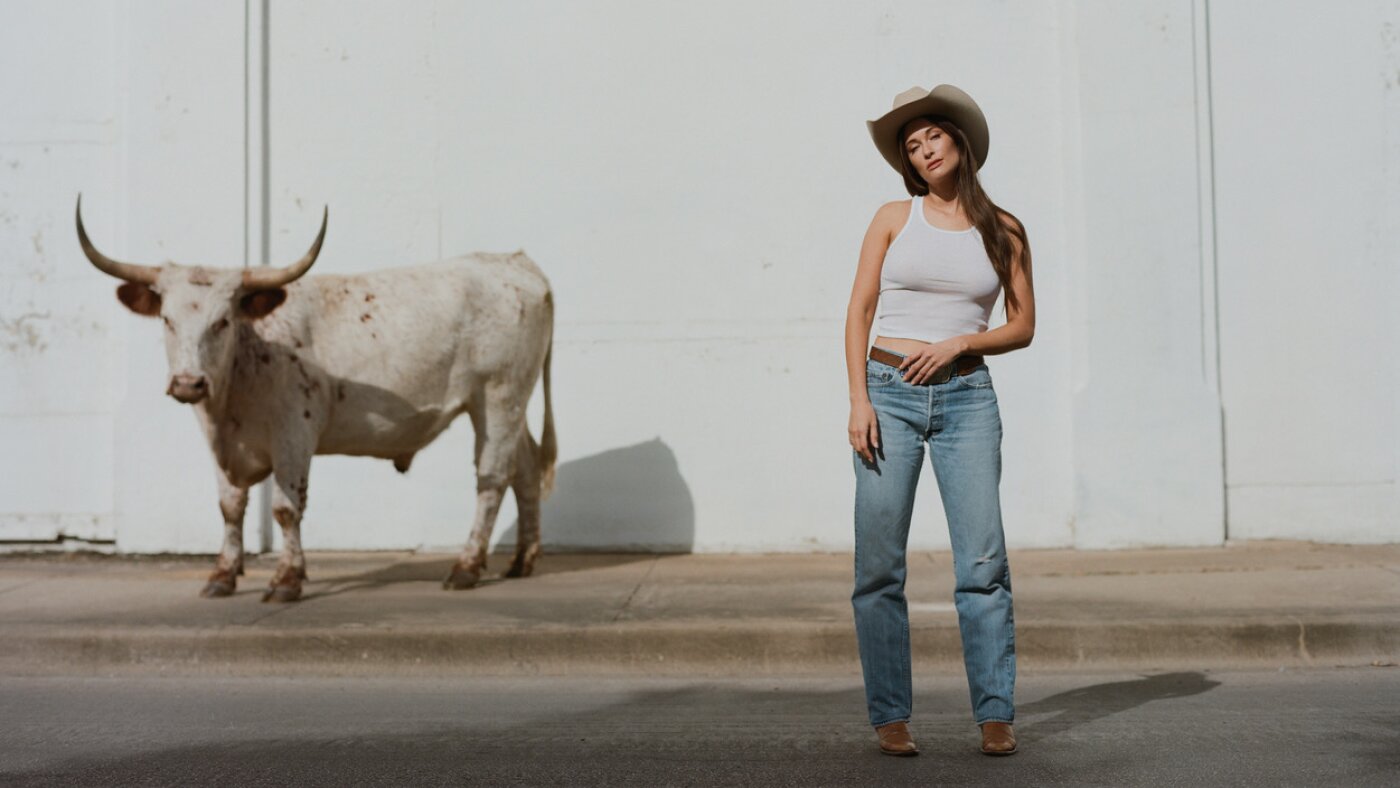
Kacey Musgraves’ sixth studio album, “Middle of Nowhere,” marks a strategic recalibration of her brand identity within the contemporary music landscape. Partnering with Lost Highway for its May 1 release signals a return to an imprint known for balancing commercial viability with critical Americana prestige. This institutional choice prioritizes long-term legacy building over immediate pop crossover metrics, positioning the project as foundational to her career trajectory.
Institutional Strategy and Label Dynamics
The selection of Lost Highway signifies a shift in distribution and marketing priorities for Musgraves. Historically, the label has supported artists balancing mainstream reach with artistic autonomy. This partnership indicates a commitment to high-value physical and digital distribution channels targeting vinyl and collector markets, crucial for revenue in the streaming era. The May 1 release date strategically captures the summer festival and touring season, maximizing opportunities for live revenue and media placements, vital for an artist of Musgraves’ caliber.
The return of producers Daniel Tashian and Ian Fitchuk reinforces sonic continuity. Their involvement in previous successful projects suggests a focus on refining Musgraves’ signature genre-blending sound. Maintaining this core creative team mitigates the risk of drastic stylistic pivots while allowing for incremental sonic evolution.
The ‘Dry Spell’ Campaign Mechanics
The lead single, “Dry Spell,” serves as a sophisticated entry point, employing a multi-layered campaign for engagement. Physical billboards with a “dry spell? Call for a real good time” call-to-action create tangible presence in a digital-first environment, driving fan interaction and generating shareable social media content. This bridges physical and digital marketing spheres effectively.
Lyrically, “Dry Spell” utilizes double entendres and country cohabitation tropes to narrate autonomy and unmet desire. The explicit mention of “335 days” of isolation quantifies the artist’s personal and professional independence, framing solitude as a deliberate choice and reinforcing her brand as a self-determined creator.
The music video, co-directed by Musgraves and Hannah Lux Davis, contrasts traditional country aesthetics by setting the narrative in a mundane grocery store. This grounding in a relatable environment, combined with Davis’s pop-oriented style, broadens demographic appeal while retaining the genre’s inherent storytelling.
Collaborative Capital and Market Expansion
The inclusion of Willie Nelson and Billy Strings offers significant collaborative capital across industry segments. Nelson provides institutional validation by connecting Musgraves to country music’s foundational heritage, reinforcing her standing within the traditionalist wing. Conversely, Strings taps into the rapidly expanding bluegrass and jam-band market, known for high engagement and touring loyalty, expanding Musgraves’ reach into subcultures valuing technical proficiency and improvisation.
These collaborations are strategic maneuvers to insulate the album against market volatility. By appealing to both legacy country audiences and modern, genre-fluid listeners, Musgraves secures a broader fanbase. This diversification is essential for maintaining arena-headlining status, as drawing from various fanbases is a key performance indicator for promoters and talent buyers.
Liminality as a Branding Tool
Musgraves’ focus on “liminal space”—geographical and emotional—forms the central philosophical framework of “Middle of Nowhere.” This theme of transit and transition reflects her current industry position: no longer a newcomer but a disruptive force within the Nashville hierarchy, occupying a space between traditional and pop influences.
This preoccupation with being “in-between” allows exploration of self-discovery narratives unbound by external relationships or industry expectations. Musgraves’ assertion of finding it “incredible being alone and existing in a space not defined by anyone else” is a powerful declaration of creative sovereignty, reducing uncertainty for stakeholders and signaling a stable artistic direction.
The geographical aspect of liminality, hinted at by the album title, also invokes a “return home” narrative common in significant artistic shifts. Revisiting her roots in the “middle of nowhere” grounds her abstract emotional explorations in the authenticity of rural origins, a duality of local and universal appeal crucial for domestic and international markets.
Operational and Financial Implications
The production and release of “Middle of Nowhere” involve significant capital movement within the Lost Highway ecosystem. Committing to a 13-track album format rather than a shorter project indicates belief in its commercial viability, necessitating substantial investment in studio time, musicians, and post-production managed by the Tashian-Fitchuk team.
Financially, success will be measured not only by streaming numbers but by the album’s ability to drive high-margin revenue streams like merchandise and premium touring packages. The “Dry Spell” campaign’s focus on physical objects suggests a strategy to build a tangible brand world for fan participation, converting listeners into high-value superfans who financially support large-scale artistic ventures.
The project’s risk profile is mitigated by Musgraves’ track record and collaborator caliber. However, the competitive 2024 landscape demands that “Middle of Nowhere” cut through market noise with a distinct, authoritative voice resonating with the current cultural zeitgeist.
Visual Subversion of Domestic Tropes
Imagery associated with “Dry Spell,” such as the washing machine and grocery store produce, subverts traditional country music domestic tropes. Musgraves presents a complex, sometimes mundane reality of solitary existence instead of idealized home life, a brand element challenging genre conventions while retaining its storytelling roots.
The collaboration with Hannah Lux Davis, known for high-glamour pop videos, creates aesthetic tension by applying visual polish to mundane settings like a grocery store, mirroring the song’s lyrical themes. This visual strategy ensures content competitiveness on platforms like YouTube and Vevo, where high production values are essential for visibility.
The use of double entendres in lyrics and visuals adds intellectual engagement, fostering a sense of shared understanding and intimacy. This sophisticated songwriting remains a primary driver of Musgraves’ critical and commercial success.
Strategic Trajectory and Future Outlook
The industry will closely monitor “Middle of Nowhere’s” performance relative to Musgraves’ previous benchmarks. This album represents a critical juncture, requiring demonstrated growth and relevance in a rapidly evolving market. Strategic choices—from label partnership to featured artists—indicate a well-considered plan to solidify her position as a leading voice in modern music.
The emphasis on autonomy and liminal spaces suggests a move toward a more introspective and potentially experimental career phase. While this may alienate some traditionalists, it is likely to deepen her connection with an audience valuing authenticity and artistic evolution. This commitment to a singular vision defines legacy artists and ensures long-term relevance.
Ultimately, “Middle of Nowhere” is a strategic statement from an artist at the height of her powers. By navigating the modern music industry with precision and creativity, Kacey Musgraves continues to redefine the 21st-century country star. The downstream effects of this release will likely influence how other artists approach genre, marketing, and artistic independence.