Public Safety Infrastructure Failure Coincides with Severe Weather Threat
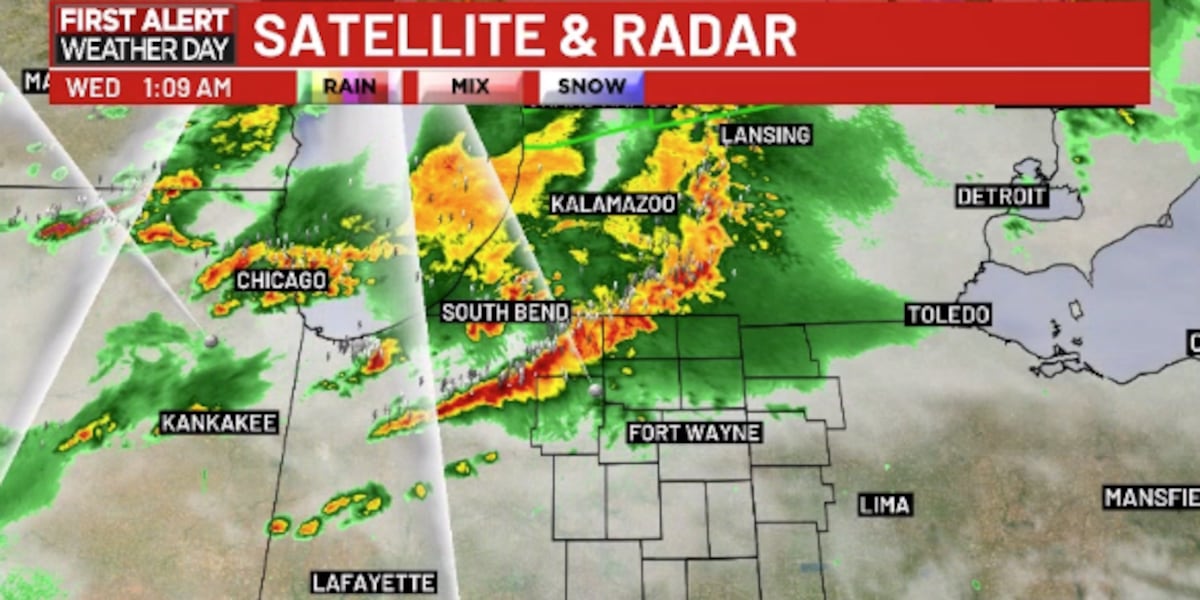
A statewide test of tornado sirens in Indiana revealed significant operational failures in key municipalities, coinciding with a severe weather forecast for the region. The Baugo Township Fire Department reported that both tornado sirens within its jurisdiction were non-functional following the test. Similarly, the Bremen Police Department noted issues with some of its sirens. This infrastructure failure occurred as the Storm Prediction Center issued a Level 2 of 5 risk for severe thunderstorms, large hail, damaging winds, and potential tornadoes across the Tri-State area, underscoring critical vulnerabilities in public safety systems during peak risk periods.
The timing of the siren malfunctions, identified during Severe Weather Preparedness Week, highlights a systemic gap in critical infrastructure maintenance and readiness. While the statewide test is designed to verify system functionality, the resulting reports of non-operational sirens indicate potential failures in routine maintenance protocols and capital investment strategies at the local level. This exposes residents to heightened risk, as the primary outdoor warning system—designed for broad-area alerts—was compromised just as severe weather conditions were developing.
Operational Implications and Policy Gaps
The failure of the siren infrastructure immediately alters emergency response protocols, shifting the burden of preparedness from public systems to individual responsibility. Officials were forced to issue explicit guidance urging residents to utilize alternative alert mechanisms, including NOAA Weather Radios and mobile emergency notifications. This reliance on personal devices and proactive individual measures exposes a fundamental weakness in the traditional layered approach to public safety, where sirens serve as a critical, non-individualized alert layer for those outdoors or without access to digital communication.
For emergency management agencies, the non-operational status of sirens complicates real-time decision-making during an active severe weather event. The standard operating procedure for a confirmed tornado requires immediate activation of all available warning systems. When a primary system fails, emergency services must divert resources to manually verify alerts and disseminate information through less efficient channels, potentially delaying response times and increasing operational risk for first responders.
The reported issues in Baugo Township and Bremen suggest a broader systemic challenge in maintaining legacy infrastructure across multiple jurisdictions. A statewide test revealing localized failures points to potential inconsistencies in funding allocations for public safety infrastructure maintenance between municipalities. This creates an uneven distribution of risk across the state, where some communities are better equipped to handle emergencies than others, based largely on local budgetary decisions and resource priorities.
Strategic Shift in Emergency Communication and Media Dynamics
The failure of traditional warning systems like sirens significantly increases the strategic importance of private media outlets and digital platforms in real-time emergency communication. Local news organizations, such as WNDU and WPTA, leverage proprietary platforms like “First Alert Weather Day” branding and dedicated weather applications to deliver critical information directly to consumers. The compromised public infrastructure enhances the value proposition of these private services, positioning them as essential tools for personal safety rather than supplementary information sources.
This dynamic creates a competitive environment where media outlets vie for audience share by demonstrating superior accuracy and speed in delivering weather alerts. The source data shows multiple updates from different outlets, each emphasizing their role in providing timely information and encouraging app downloads. This commercialization of emergency information highlights a strategic shift where public safety relies increasingly on private sector technology and media distribution channels, rather than solely on government-funded infrastructure.
The guidance issued by officials—that residents should treat any siren activation as real and that the absence of a siren does not mean a threat is not imminent—underscores a critical breakdown in public trust. When a warning system’s reliability is compromised, public confidence in all alerts diminishes. This creates a complex communication challenge for emergency managers, who must navigate a landscape where residents may be desensitized to warnings or, conversely, may overreact to non-threatening events due to a lack of reliable information.
Economic and Financial Exposure to Severe Weather Risk
The severe weather forecast, characterized by a Level 2 risk for large hail and damaging winds, carries significant economic implications for the Tri-State region. The potential for large hail directly impacts property and casualty insurance markets. Actuarial models translate a Level 2 risk into specific probabilities of property damage, leading to potential increases in claims volume and associated financial exposure for insurers operating in the region. The surge in temperatures preceding the storms, a key meteorological factor, further solidifies the risk profile for high-impact events.
For businesses, the threat of severe weather necessitates the activation of business continuity plans. The potential for power outages, supply chain disruptions, and physical damage from wind and hail requires preemptive operational adjustments. The siren failure adds complexity to this process, as businesses must ensure internal communication protocols are robust enough to compensate for the lack of public alerts, potentially increasing operational downtime or safety risks for employees.
The agricultural sector, prevalent in the Tri-State region, faces specific financial risks from severe weather. Hail and high winds can cause significant damage to crops, impacting yields and commodity prices. The timing of the storms, potentially affecting early planting or established crops, introduces uncertainty into agricultural futures markets. The economic impact extends beyond immediate property damage to include broader supply chain and market volatility for agricultural products.