Structural Stability vs. Tactical Evolution
The UEFA Champions League Round of 16 encounter between Galatasaray and Liverpool serves as a primary case study in the tension between ‘settled’ squad cohesion and high-ceiling tactical evolution. While Liverpool enters the tie as a statistical favorite—ranking 3rd in the league phase with six wins—Galatasaray’s operational framework exhibits a higher degree of structural maturity. This ‘settled’ status functions as a tactical buffer, allowing the Turkish side to absorb the volatile high-press cycles characteristic of English opposition while maintaining defensive integrity.
The Midfield Bottleneck: Mac Allister vs. Torreira
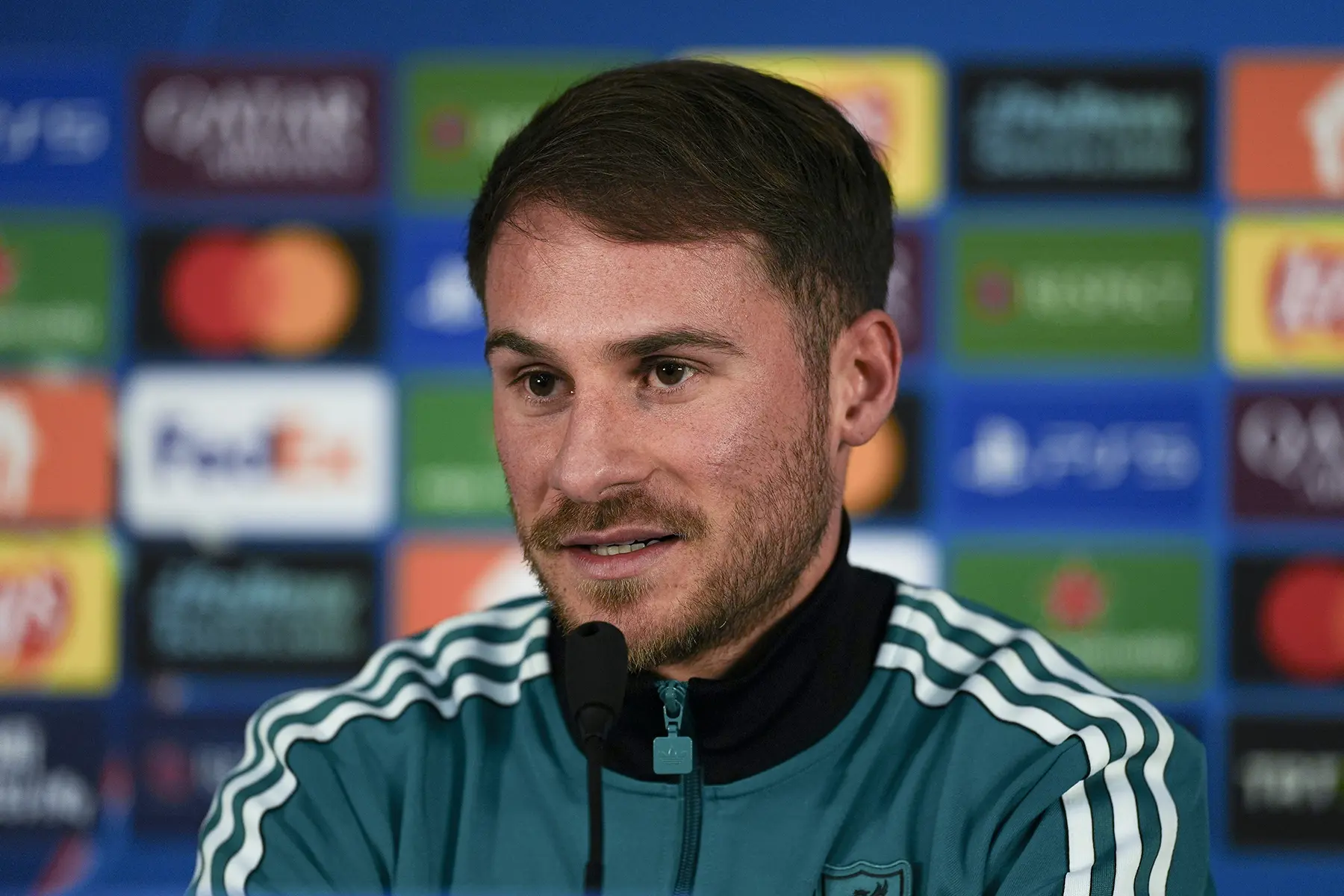
The central tactical axis revolves around the confrontation between Alexis Mac Allister and Lucas Torreira. Mac Allister’s recognition of Torreira as a premier disruptor highlights a specific operational risk for Liverpool: the suppression of progressive passing lanes. Torreira’s ability to compress the middle third forces Liverpool into lateral distribution, effectively neutralizing their verticality. For Liverpool to advance, they must bypass this pivot through third-man runs or wide overloads, or risk being stifled in a low-tempo transition game that favors the hosts.
Offensive Asymmetry: The Osimhen-Yılmaz Vertical Threat
Galatasaray’s offensive architecture, led by Victor Osimhen and Barış Alper Yılmaz, is designed to exploit the ‘rest-defense’ vulnerabilities of high-pressing systems. Osimhen’s elite movement behind the defensive line creates a structural dilemma for Liverpool’s center-backs, while Yılmaz’s high-volume sprinting provides a rapid outlet during transition phases. This dual-threat model forces Liverpool into a more conservative defensive posture, potentially widening the gap between their midfield and attacking lines and diminishing their trademark counter-press efficiency.
Institutional Mission and the ‘World Cup Effect’
The timing of this tie, coinciding with the lead-up to the 2026 FIFA World Cup, introduces significant performance incentives. Players like Mac Allister are operating within a ‘valuation peak’ window, where continental success directly correlates with market leverage. Furthermore, for Galatasaray, this fixture is an institutional mission to recalibrate Turkish football’s standing. The psychological multiplier of RAMS Park, combined with national broadcasting on TRT 1, elevates the tie from a mere sporting event to a critical commercial and reputational juncture.
Operational Realities of the New UCL Format
The disparity in standings—Liverpool in 3rd and Galatasaray in 20th—is more a reflection of the new league-phase volume than a definitive indicator of knockout-stage parity. In a two-legged format, Galatasaray’s efficiency in high-leverage moments can offset Liverpool’s superior point accumulation. The operational challenge for both sides lies in squad depth management; Galatasaray’s tactical continuity provides a distinct advantage against a Liverpool side navigating the physical attrition of a Premier League title race.