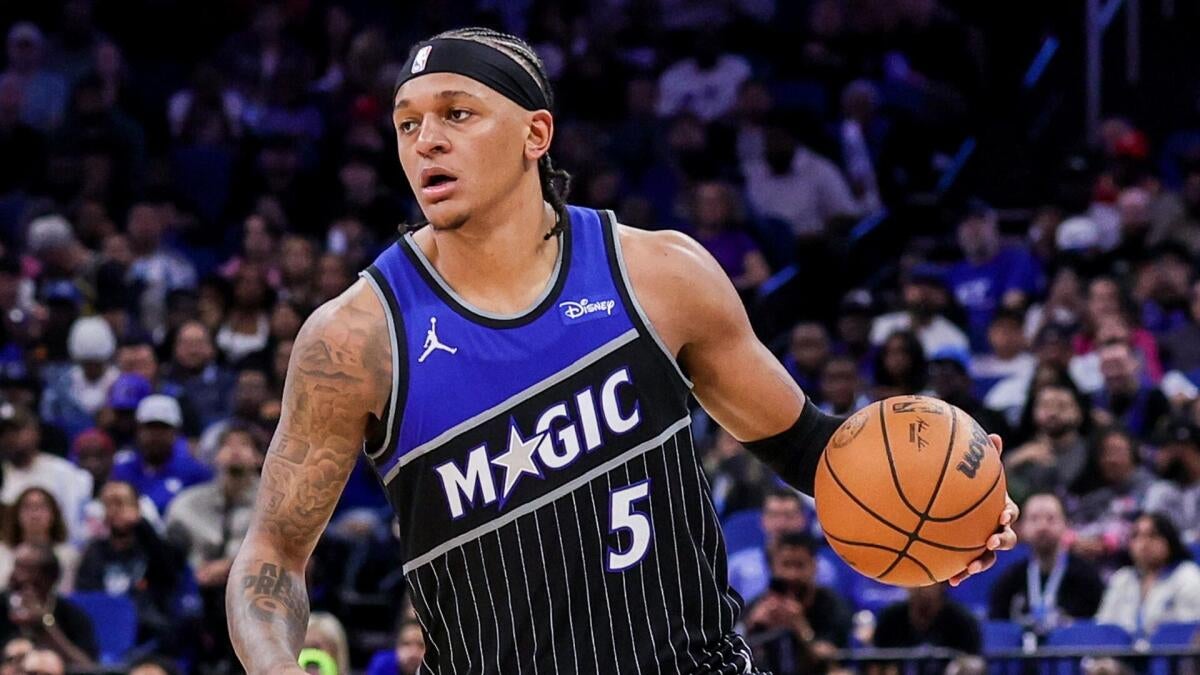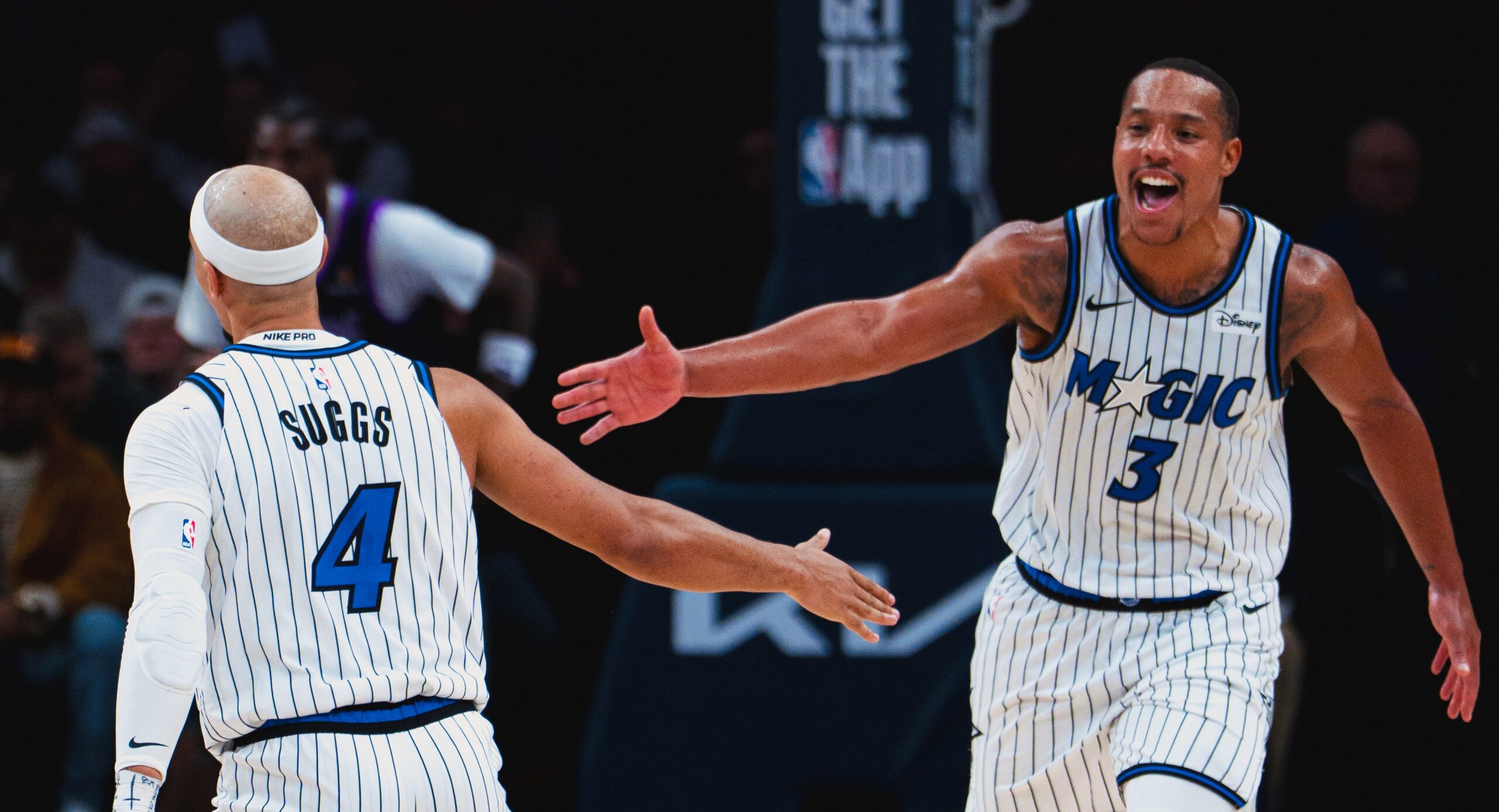
The March 8, 2026, encounter between the Orlando Magic and Milwaukee Bucks at Fiserv Forum serves as a high-leverage case study in roster depth and situational fatigue. Orlando enters the contest attempting to solidify its status as a top-six seed, while Milwaukee faces a systemic crisis, struggling to maintain proximity to the play-in threshold amidst significant personnel shortages.
Strategic Hierarchy and Playoff Implications
Currently positioned as the Eastern Conference’s sixth seed, the Orlando Magic (34-28) are navigating the threshold of postseason security. Their objective is to avoid the volatility of the play-in tournament by exploiting a Milwaukee roster currently in institutional distress. Conversely, the Bucks (27-35) are four games behind the final play-in slot, rendering every home fixture a mandatory exercise in damage control. While Milwaukee recently snapped a four-game skid against Utah, their structural vulnerabilities remain exposed as they continue a demanding five-game homestand.
Personnel Volatility: Giannis and Wagner Absences
The competitive integrity of this matchup is primarily dictated by the absence of elite gravity. The Bucks are forced to operate without Giannis Antetokounmpo, whose calf injury removes a Tier-1 transition threat and defensive anchor. This vacuum forces a reliance on secondary scoring options that have historically struggled with efficiency. Orlando faces a parallel challenge with Franz Wagner sidelined by an ankle injury, stripping the Magic of a primary playmaker. The questionable status of depth pieces like Anthony Black and Jonathan Isaac further complicates Orlando’s rotation, shifting the tactical burden toward floor spacing and unconventional defensive lineups.
Operational Fatigue vs. Home Court Advantage
Orlando arrives in Milwaukee following a high-efficiency 119-92 victory over Minnesota. However, the ‘back-to-back’ scheduling introduces a fatigue variable that historical data suggests negatively impacts shooting percentages and defensive rotation speed for road teams. Milwaukee possesses a scheduling advantage, remaining at Fiserv Forum following their Saturday win. For Orlando, the psychological hurdle of failing in four previous attempts this season to secure a fourth consecutive victory adds a layer of internal pressure to the physical demands of the schedule.
Market Sentiment and Statistical Divergence
Oddsmakers have adjusted for injury news, positioning Orlando as a 5.5-point road favorite. The -210 moneyline reflects high market confidence in Orlando’s operational consistency relative to Milwaukee’s depleted roster. With a total set at 221.5, the projection anticipates a moderate pace; however, the absence of Wagner and Antetokounmpo may suppress offensive output below these statistical averages. Defensive efficiency will likely decide the outcome, as Orlando’s scoring average (114.8) nearly mirrors Milwaukee’s points allowed (115.5), suggesting a game won on the margins of turnover conversion and second-chance points.
Institutional Outlook for the Bucks
Milwaukee’s current trajectory suggests a potential transition period. The organization’s reliance on an aging core and top-heavy salary structure has been stress-tested by this season’s injury cycle. For the Bucks, this game serves as a crucial evaluation of their younger rotation players. Failure to secure home-court victories against fellow Eastern Conference contenders could accelerate an offseason of institutional restructuring. As the regular season enters its final quadrant, the stakes at Fiserv Forum extend beyond the box score, impacting franchise direction and market valuation.