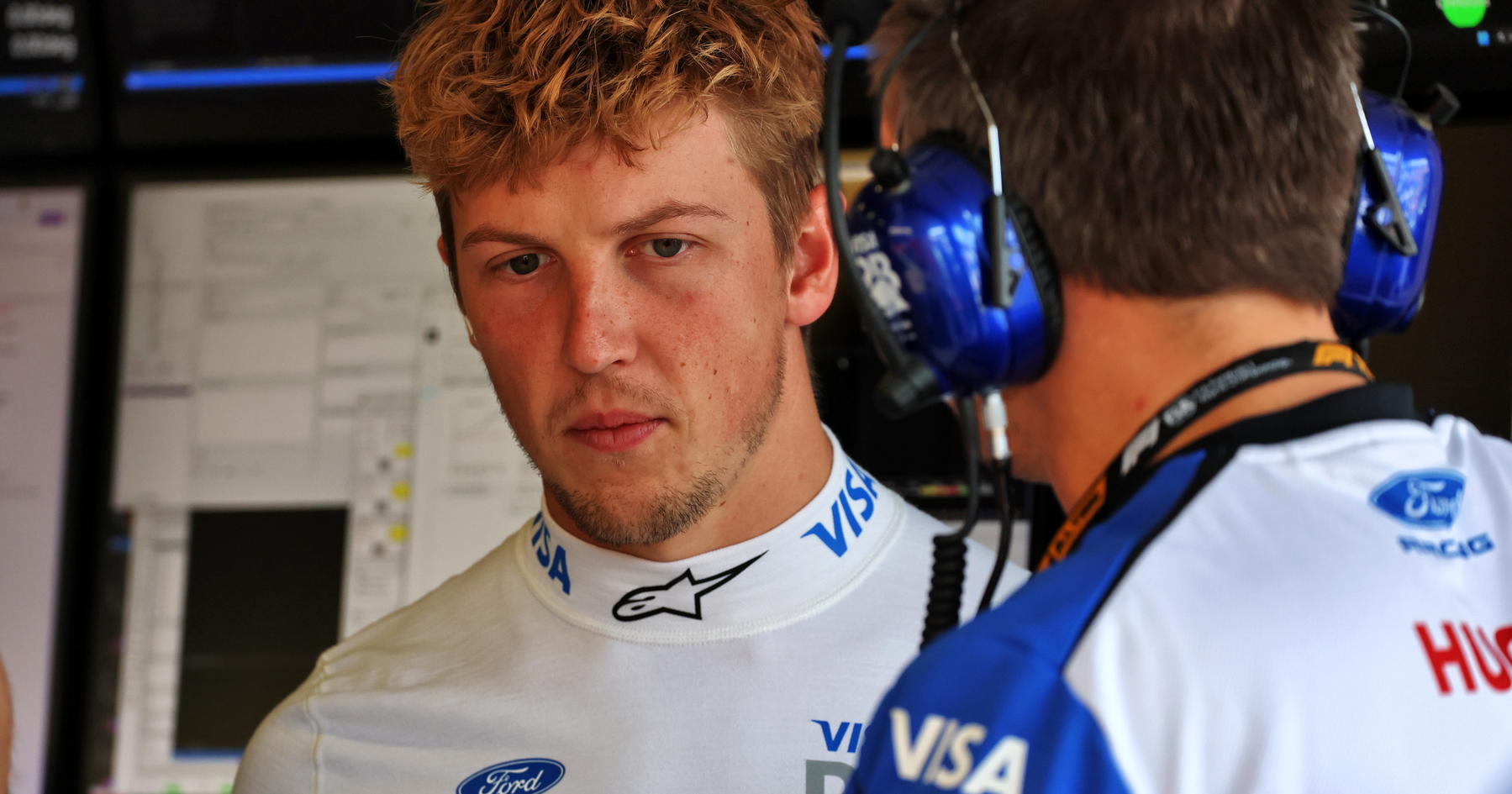
Racing Bulls’ Australian GP Qualifying Upset Signals Strategic Recalibration
Liam Lawson’s eighth-place qualifying performance at the Australian Grand Prix represents a significant deviation from pre-season expectations, particularly following a challenging testing period. This unexpected surge in pace, securing top-10 positions for both Lawson and teammate Arvid Lindblad, offers the first concrete indication of the 2026 competitive order and suggests a successful, albeit surprising, strategic pivot by the Racing Bulls outfit.
The team’s aerodynamic upgrades, including a new floor and engine cover, appear to have fundamentally altered their performance trajectory. This outcome highlights the critical importance of on-track validation, especially with new regulations that can amplify the impact of marginal gains.
Lawson’s admission of being “stunned” by the result underscores the magnitude of the performance leap, indicating that the team’s internal projections likely did not anticipate such immediate competitiveness. This success not only bolsters the team’s immediate prospects for points but also recalibrates their strategic outlook for the season, potentially influencing future development priorities.
Competitive Landscape Disrupted by Unexpected Gains
The qualifying session at Albert Park revealed a starkly different competitive landscape than anticipated. George Russell secured pole for Mercedes, while teammate Kimi Antonelli’s strong second-place, achieved after significant repair work following a practice crash, underscores Mercedes’ robust engineering capability. The struggles of four-time champion Max Verstappen, qualifying 20th after an early crash, illustrate the razor-thin margins and high stakes of the current regulatory environment.
Isack Hadjar’s third-place finish for a rival team further emphasizes the fluidity of the midfield, suggesting that previously overlooked teams are now capable of challenging for podium positions. This reshapes the competitive dynamic, forcing established manufacturers to reassess their strategies and potentially accelerating their development cycles to counter emergent threats.
Lando Norris and Oscar Piastri of McLaren secured fifth and sixth, respectively, indicating a solid but not dominant start. Ferrari’s Charles Leclerc and Lewis Hamilton qualified fourth and seventh, positioning them within the leading pack. The performance of Racing Bulls, however, has introduced a significant variable, potentially altering strategic considerations for championship contenders.
Strategic Implications of Upgrades and Reliability
The success of Racing Bulls’ aerodynamic upgrades points to a sophisticated understanding of current regulations and successful development execution. The immediate and substantial gains from the new floor and engine cover suggest a strategic focus on maximizing downforce and aerodynamic efficiency within permitted design parameters.
However, Lawson’s cautionary note regarding reliability introduces a critical strategic consideration. Sustained performance hinges on the robustness of these new components and the overall car. Any underlying reliability issues could negate the qualifying advantage, forcing a trade-off between performance and durability.
This dual focus on performance and reliability will be key to Racing Bulls’ long-term success, influencing their championship aspirations and capacity to consistently challenge for points.
Market and Ecosystem Impact of Performance Shifts
The unexpected performance of Racing Bulls has immediate implications for the broader Formula 1 ecosystem. It validates investment in aerodynamic research and development and underscores the potential for agile teams to disrupt established hierarchies. This could encourage greater R&D investment from other smaller teams, leading to a more competitive championship.
For sponsors and commercial partners, the emergence of a strong Racing Bulls outfit presents new opportunities for brand visibility and association with success. Translating on-track performance into commercial gains will be crucial for their financial sustainability.
Furthermore, the performance differential observed could influence driver market dynamics. Strong showings can elevate drivers’ profiles and increase their value, potentially impacting future team line-ups. The unpredictable nature of these shifts also adds intrigue for media coverage and fan engagement, driving interest in the sport.
Future Trajectory and Competitive Recalibration
The Australian Grand Prix qualifying results serve as a critical inflection point for Racing Bulls and the wider Formula 1 field. The team’s ability to sustain this performance will depend on ongoing development, addressing reliability concerns, and rivals’ responses.
For teams like Mercedes, Ferrari, and McLaren, this outcome necessitates a swift recalibration of their development paths. The performance of Racing Bulls suggests the gap between top teams and the rest may be narrower than previously assumed, demanding a more aggressive and innovative approach to car development.
Ultimately, the 2026 season is shaping up to be a dynamic contest where strategic foresight, engineering prowess, and operational execution will be paramount. The unexpected pace shown by Racing Bulls indicates the competitive landscape is in flux, and teams that can adapt quickly will be best positioned to capitalize on emerging opportunities.