Executive Digital Engagement: The High-Stakes Paradox in QSR
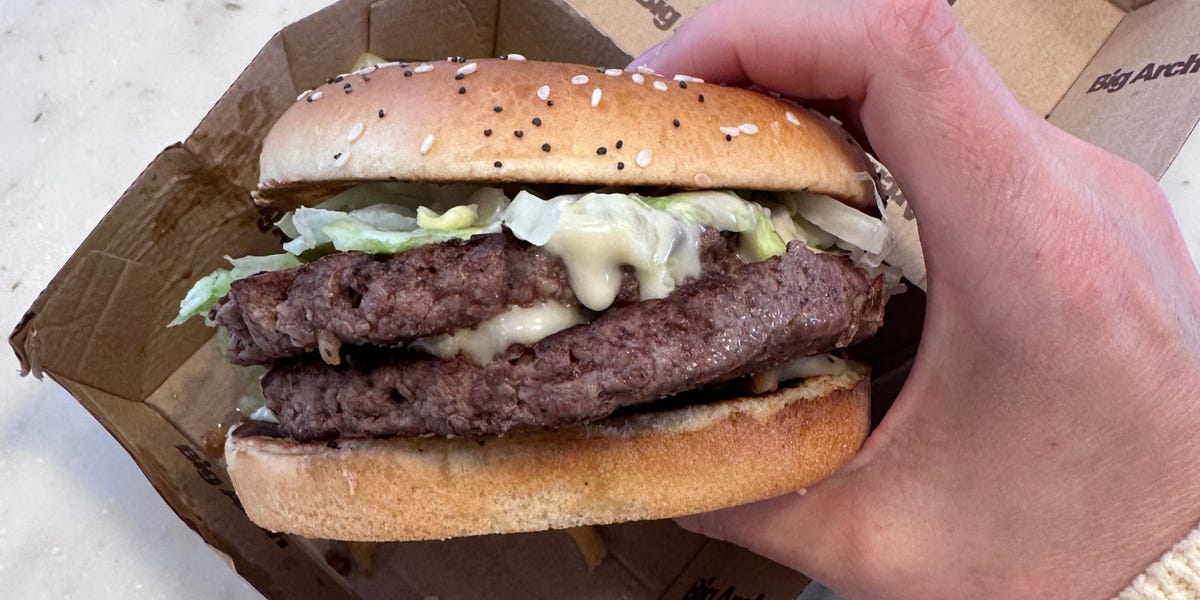
The recent online reaction to McDonald’s CEO Chris Kempczinski’s social media endorsement of the new “Big Arch” burger has brought into sharp focus the strategic risks inherent in direct executive communication. While Kempczinski’s approach aligns with a growing trend among corporate leaders to bypass traditional media channels in favor of direct engagement with consumers, this incident demonstrates the potential for such efforts to backfire, creating significant competitive vulnerabilities.
Kempczinski’s strategy aims to humanize the brand and build a personal connection with the audience. His deliberate attempt to cultivate an image of authenticity and approachability through platforms like Instagram Reels, where he shares business tips and reviews new menu items, places the CEO and the brand under immediate, unfiltered public scrutiny. This direct engagement model, however, proved fragile when a single perceived misstep was amplified rapidly across digital platforms, transforming a routine product promotion into a high-stakes competitive event.
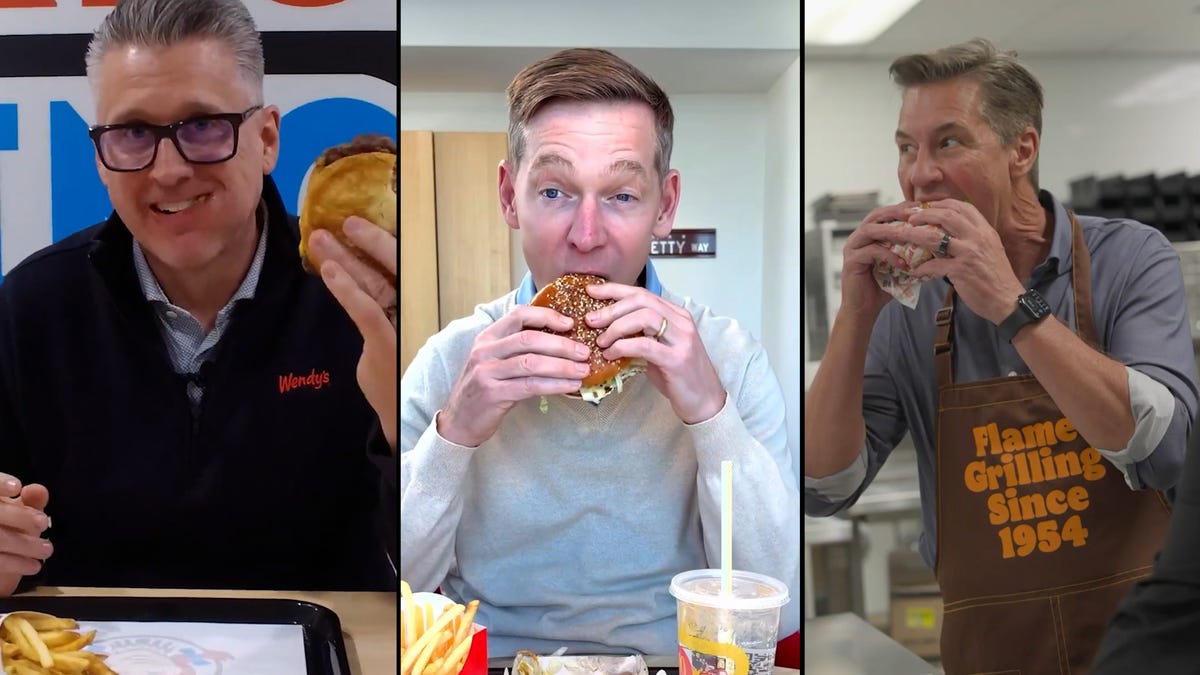
The specific incident involved Kempczinski taking a small bite of the new product, which was subsequently interpreted by online audiences as a “less-than-convincing endorsement.” This reaction highlights a critical challenge for corporate leaders: the difficulty of maintaining authenticity while adhering to corporate messaging requirements. The public’s skepticism regarding the genuineness of the endorsement created a narrative vacuum that competitors were quick to exploit.
Competitive Strategy and Brand Differentiation in Real Time
The immediate and coordinated response from competitors Wendy’s and Burger King illustrates the agility required in modern quick-service restaurant (QSR) marketing. Wendy’s, in particular, seized the opportunity to reinforce its long-standing competitive differentiator: the use of “fresh, never frozen” beef. By posting a video of its U.S. President Pete Suerken taking multiple, enthusiastic bites of a Baconator, Wendy’s created a direct visual contrast to Kempczinski’s perceived hesitation.
Wendy’s messaging explicitly alluded to the “chatter this week about burgers,” positioning itself as the authentic alternative in the ongoing “burger battle.” The statement that Suerken “knows a burger that’s worth a second bite” directly leveraged the public’s critique of Kempczinski’s small bite. This maneuver demonstrates a sophisticated understanding of real-time digital marketing, where competitive advantage is gained not just through product features, but through rapid, context-aware counter-narratives.
Burger King also participated in the competitive banter, described as having a “sassy (shady)” response. The collective competitive response from both rivals underscores the significance of the event. The incident provided a rare, unscripted opening for competitors to challenge McDonald’s market dominance and reinforce their own brand positioning in a highly saturated market.
Operational Implications for Product Launches
For McDonald’s, the incident complicates the launch of the “Big Arch” burger, a product likely representing significant investment in research, development, and marketing. A CEO endorsement is typically intended to signal high confidence in a new product and generate positive momentum. The public’s negative reaction, however, risks undermining the initial marketing push and potentially impacting consumer perception of the product’s quality before it gains widespread traction.
The incident highlights the challenge of controlling the narrative in a digital environment where public perception can be shaped more by the presentation of the message than by the underlying product attributes. A poorly executed endorsement created a perception gap, forcing the brand to expend additional resources to manage reputational damage rather than focusing on product promotion. This dynamic illustrates how operational success in product launches is increasingly dependent on agile and authentic communication strategies.
The Broader Context of QSR Marketing Wars
The “burger wars” between McDonald’s, Wendy’s, and Burger King have historically been defined by large-scale advertising campaigns and price competition. However, this incident demonstrates a fundamental shift toward real-time, social media-driven battles where agility and responsiveness are paramount. Wendy’s decision to focus on the “fresh, never frozen” claim is a direct return to a core differentiator that has defined its brand identity for decades. This specific claim represents a fundamental difference in supply chain operations and product preparation that Wendy’s consistently uses to challenge McDonald’s scale-driven operational model.
The incident highlights the challenge for large, established corporations like McDonald’s in adapting to a media environment that prioritizes authenticity and real-time engagement over traditional, highly controlled messaging. While Kempczinski’s strategy aims to bridge this gap, the execution proved vulnerable to competitive exploitation, demonstrating the high stakes involved in executive social media presence.
Implications for Corporate Communication and Digital Scrutiny
The episode serves as a cautionary tale for corporate communication teams navigating the complexities of executive personal branding. The public’s reaction to Kempczinski’s video underscores the high level of scrutiny applied to corporate leaders in the digital age. Consumers demand transparency and authenticity, but also possess a sophisticated ability to detect perceived insincerity. The “roasting” of the CEO’s video reflects a broader cultural trend where corporate leaders are held accountable for their public performances, particularly when promoting products that are central to the brand’s identity.
For competitors, the incident provides a blueprint for leveraging real-time events to gain strategic advantage. Wendy’s successful counter-messaging demonstrates how agile marketing can transform a competitor’s misstep into a powerful platform for reinforcing one’s own core value proposition. This dynamic suggests that future competitive battles in the QSR sector will increasingly be fought in the digital arena, where speed and authenticity are critical determinants of success.
Ultimately, the incident serves as a microcosm of modern corporate communication challenges. The pursuit of authenticity through direct engagement exposes corporate leaders to unprecedented levels of scrutiny, where a single moment can be dissected and leveraged by competitors. For McDonald’s, the challenge now lies in mitigating the reputational damage and ensuring that the product itself, rather than the CEO’s endorsement, defines the narrative surrounding the Big Arch launch.