The Strategic Implications of Physical Appearance in High-Stakes Governance
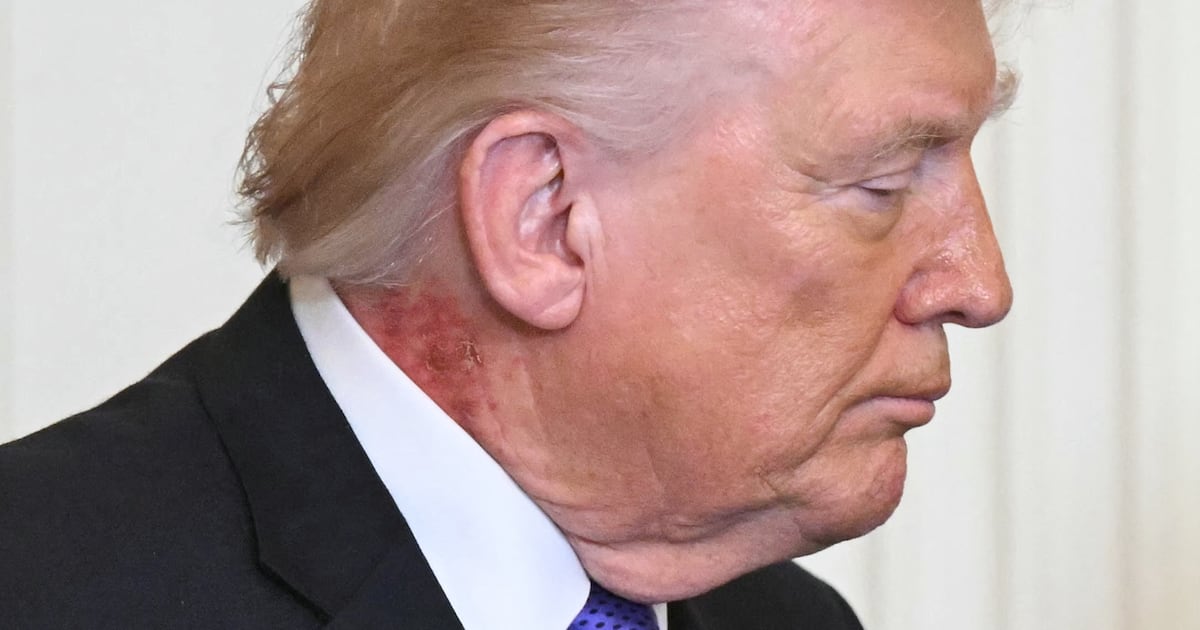
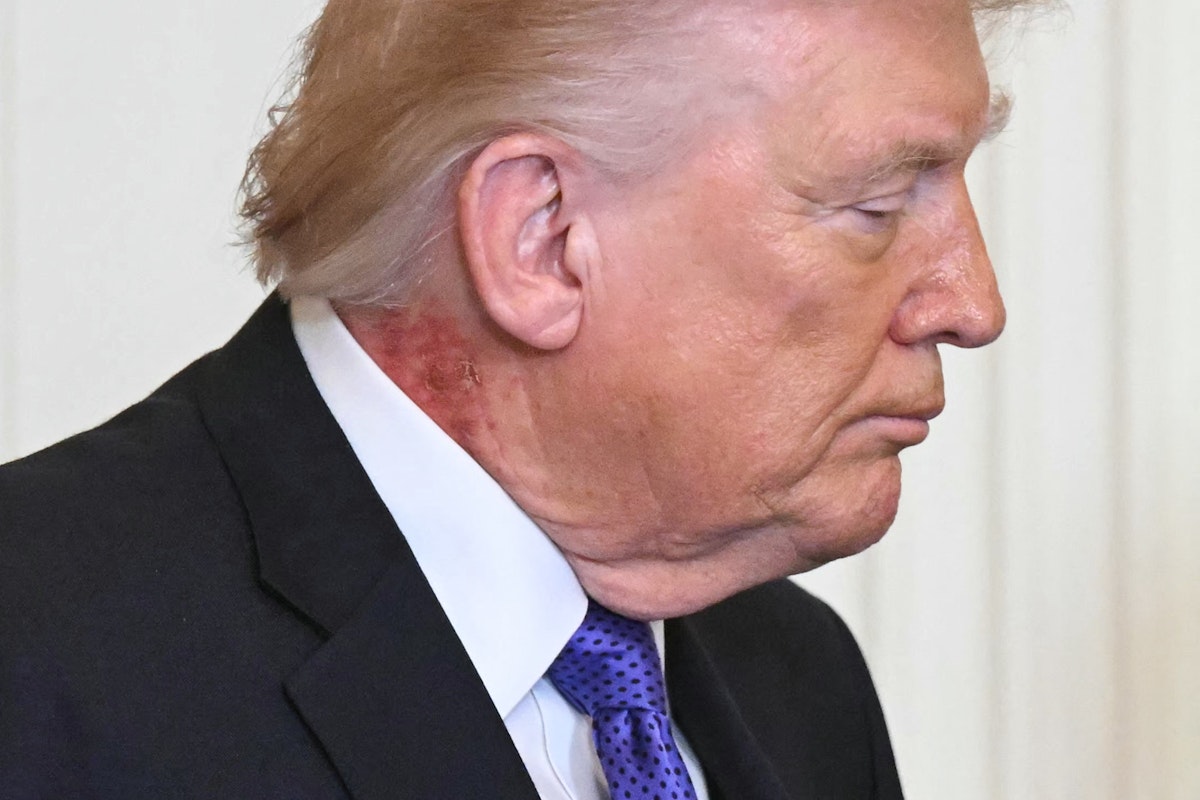
In high-stakes political environments, the physical appearance of executive leaders transcends mere public curiosity, transforming into a critical strategic factor for information control and competitive leverage. Recent observations concerning President Donald Trump’s physical condition—specifically a prominent neck rash and persistent hand discoloration—illustrate the operational challenges inherent in managing public perception under intense media scrutiny. These incidents transition rapidly from private medical concerns to public-facing political liabilities, becoming focal points for institutional narrative management and political exploitation.
The role of visual media, particularly press photography from sources like AFP’s Saul Loeb, is critical in this dynamic. In an environment where every public appearance is scrutinized for signs of strength or weakness, visual evidence frequently outweighs official statements. The subsequent proliferation of these images across digital platforms forces administrations to expend political capital on managing narratives that are difficult to sustain against conflicting visual observations.
White House Information Control and Narrative Framing Strategies
The administration’s response to these physical observations demonstrates a calculated strategic effort to mitigate potential political damage through narrative framing. The White House employed distinct strategies to address the hand discoloration and the neck rash. To address the hand discoloration, which was described as a bruise, the official explanation attempted to normalize the issue by attributing it to frequent handshaking and aspirin use. This framing tactic sought to portray the symptom as a byproduct of high performance and dedication inherent in the presidency, thereby attempting to convert a perceived physical weakness into a symbol of resilience.
However, this specific narrative faced immediate internal inconsistencies. The source notes that the hand discoloration sometimes inexplicably switched hands. A simple explanation like handshaking, which would typically affect one hand more consistently, is undermined by this discrepancy. The resulting gap between the official narrative and visual evidence creates a vulnerability that political opponents can readily exploit, forcing the administration into a reactive rather than proactive communication posture.
A separate strategic approach was applied to the neck rash. The White House physician, Dr. Sean Barbabella, provided a specific medical explanation, describing the mark as a result of a common preventative skin treatment. By defining the issue as a routine, temporary medical procedure, the administration attempted to preempt broader speculation and minimize the perceived severity of the condition, thereby containing its potential impact on public confidence.
Competitive Exploitation and Leadership Scrutiny
In a competitive political landscape, opponents swiftly capitalize on perceived vulnerabilities. The source highlights how political figures and commentators, including California Governor Gavin Newsom’s office and activist Shannon Watts, leveraged these observations for strategic gain. By raising questions about the severity of the condition—with speculation ranging from shingles to hickeys—critics successfully diverted the public conversation from policy issues to the president’s physical fitness. This creates a strategic distraction that can erode public trust in leadership stability.
This dynamic is significantly amplified by linking physical health issues to questions of “cognitive fitness.” For a 79-year-old president, even minor physical ailments can be leveraged to reinforce existing narratives about age-related decline and mental acuity. This strategic connection challenges fundamental perceptions of leadership capability, creating a competitive disadvantage that extends beyond simple physical appearance to challenge the leader’s capacity for effective governance.
The rapid dissemination of visual evidence and the ability of opponents to frame it with specific narratives (e.g., Newsom’s office posting a photo) creates a rapid-response requirement for the White House. Failure to effectively counter these narratives leads to a loss of control over the public discourse, allowing opponents to set the agenda by focusing on perceived weaknesses rather than policy achievements.
Institutional Vulnerability and Media Dynamics
The scrutiny surrounding presidential health reflects long-standing institutional tensions between public transparency and executive privacy. Historically, administrations often sought to conceal or downplay presidential health issues to maintain an image of strength and stability. The current situation demonstrates the increased difficulty of maintaining this level of privacy in the modern media landscape, where visual evidence is rapidly disseminated and analyzed.
The role of the White House physician in managing public information is critical, yet complex. While the physician’s primary responsibility is patient care, their public statements on presidential health are inherently political acts. The constraints on a physician in this role often mean balancing medical accuracy with strategic communication goals, leading to explanations that may be perceived as incomplete or overly simplistic by external observers.
The public’s demand for transparency regarding presidential health is driven by the high stakes of the office. When official explanations for physical ailments are perceived as evasive or inconsistent, it can erode public confidence in the administration’s overall transparency and accountability. The media’s focus on these physical details reflects a shift in journalistic priorities where visual evidence often supersedes policy analysis in terms of public interest and engagement. The administration’s awareness of this dynamic is evidenced by specific actions taken by the president to hide the hand discoloration, including the use of makeup and careful hand placement, further demonstrating an attempt to control the visual narrative.
Synthesis: The Consequence of Narrative Inconsistency
The documented facts regarding President Trump’s physical appearance reveal a critical vulnerability in high-stakes governance: the difficulty of maintaining consistent information control in an era of constant visual documentation. The strategic responses from the White House—offering specific, benign explanations while simultaneously attempting to conceal the symptoms—reflect a calculated effort to manage public perception and mitigate competitive risk. However, the inconsistencies in the official explanations for the hand discoloration and the rapid leveraging of these observations by political opponents demonstrate the limitations of this strategy. The focus on “cognitive fitness” scrutiny, combined with the visible physical changes, creates a potent narrative for challenging the administration’s stability and capacity for effective leadership. The events underscore how physical health, once a private matter, has become a central battleground for political competition, forcing administrations to adapt their communication strategies to address visual evidence and public speculation in real time.