Benfica’s preparation for their Matchday 24 fixture against Gil Vicente represents a pivotal exercise in crisis management and tactical recalibration. Following a bruising Champions League exit against Real Madrid, the technical staff, led by José Mourinho, faces the dual challenge of addressing physiological depletion and navigating the operational friction of UEFA’s disciplinary interventions.
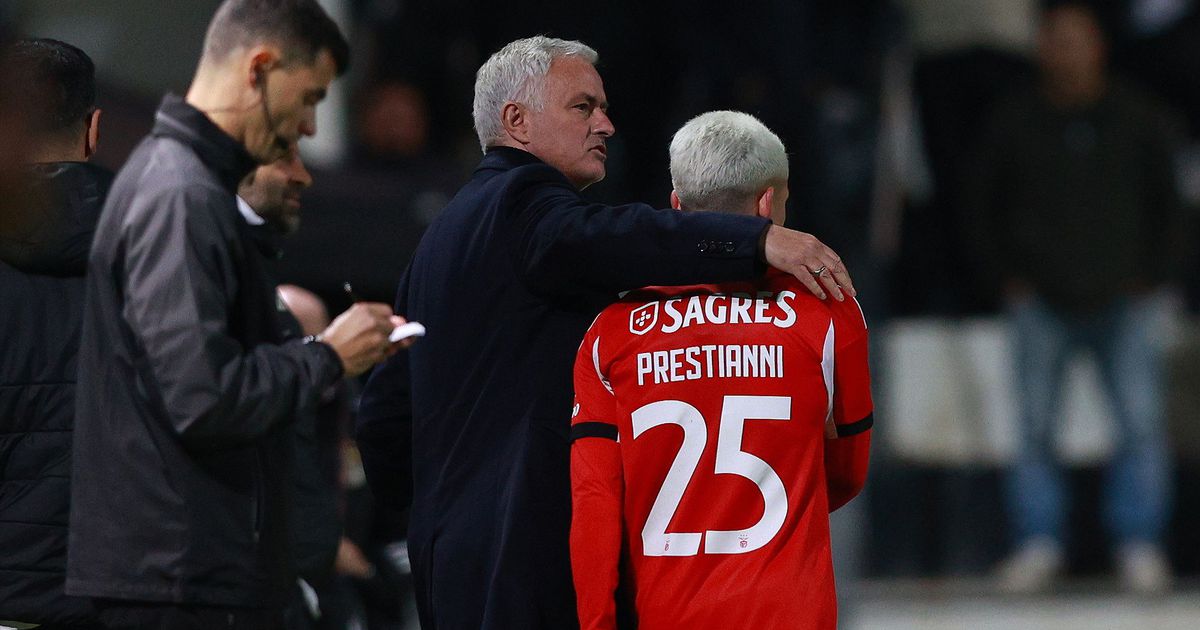
The focal point of this transition is the reintegration of Gianluca Prestianni. His absence was necessitated by a domestic suspension for caution accumulation, compounded by a preventive UEFA sanction following allegations of racism during the European knockout stage. This institutional sensitivity complicates his return, transforming a standard squad rotation into a test of the club’s disciplinary resilience and external reputation management.
Tactical Shifts and Physiological Constraints
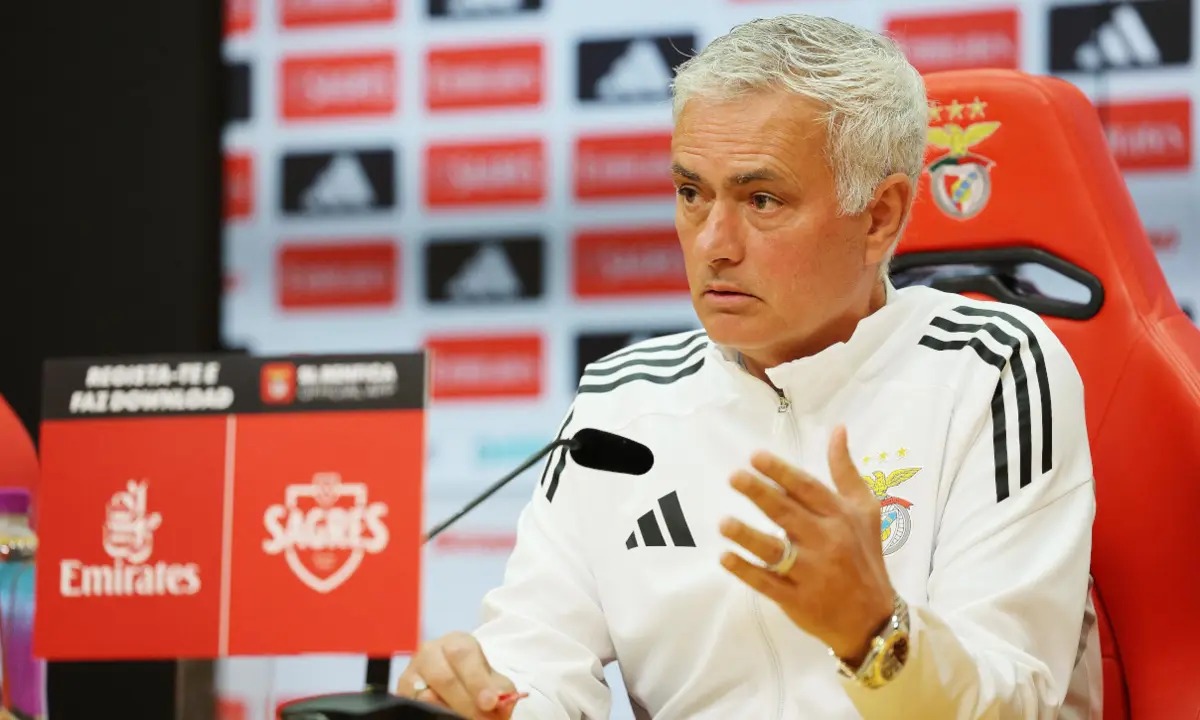
Mourinho’s intent to deploy “heavy artillery” underscores a refusal to accept domestic stagnation despite the high-intensity toll of the Madrid encounter. However, this ambition is curtailed by significant injuries to Bruma and Sudakov. Bruma’s structural importance to Benfica’s wide transitions cannot be overstated; his absence necessitates an asymmetric approach to attacking third penetration.
In this vacuum, Richard Ríos has transitioned from a depth option to a tactical cornerstone. His physical durability on the right flank provides a defensive threshold that Prestianni—whose match rhythm has been fractured—currently lacks. Prioritizing Ríos suggests a pragmatic shift toward controlled progression and mid-block stability, countering the risk-heavy profile typically associated with the Argentine youngster.
Institutional Stability vs. Structural Efficiency
The upcoming clash is not merely a test of personnel but of systemic philosophies. Mourinho’s commendation of Gil Vicente’s “structural work” acknowledges their evolution under César Peixoto. The Barcelos-based side has optimized player output through collective synchronization, challenging the traditional dominance of Portugal’s elite through superior asset maximization.
For Benfica, maintaining managerial continuity is essential for protecting the club’s market valuation. Mourinho serves as a global ambassador, insulating the squad from the psychological fallout of continental elimination. His refusal to criticize internal variables, such as the Sidny Lopes Cabral controversy, illustrates a commitment to maintaining a cohesive environment during a period of high scrutiny.
Economic Implications of the Sporting Cycle
The financial gravity of Champions League elimination places immense pressure on domestic performance. Ensuring qualification for the subsequent cycle is an economic imperative, as the club’s business model relies on the development and high-value divestment of prospects like Prestianni. The UEFA investigation represents a latent risk to this value-creation process, requiring meticulous legal and technical navigation to preserve the player’s career trajectory and the club’s ethical standing.
Ultimately, the fixture against Gil Vicente serves as a barometer for Benfica’s depth. The ability to translate Mourinho’s tactical directives into three points, while managing the return of a controversial yet vital asset, will determine the momentum of their domestic title pursuit in the final third of the season.