Premier League Dynamics: Contrasting European Ambitions
The Old Trafford clash between Manchester United and Crystal Palace is a high-stakes Premier League fixture, fundamentally shaping both clubs’ seasonal trajectories and long-term strategic objectives. For Manchester United, securing a top-four finish is paramount, directly translating into lucrative UEFA Champions League qualification – a vital imperative for bolstering revenue, enhancing global brand appeal, and attracting elite talent. This pursuit represents not just immediate league standing, but a critical foundation for sustained financial health and competitive leverage.
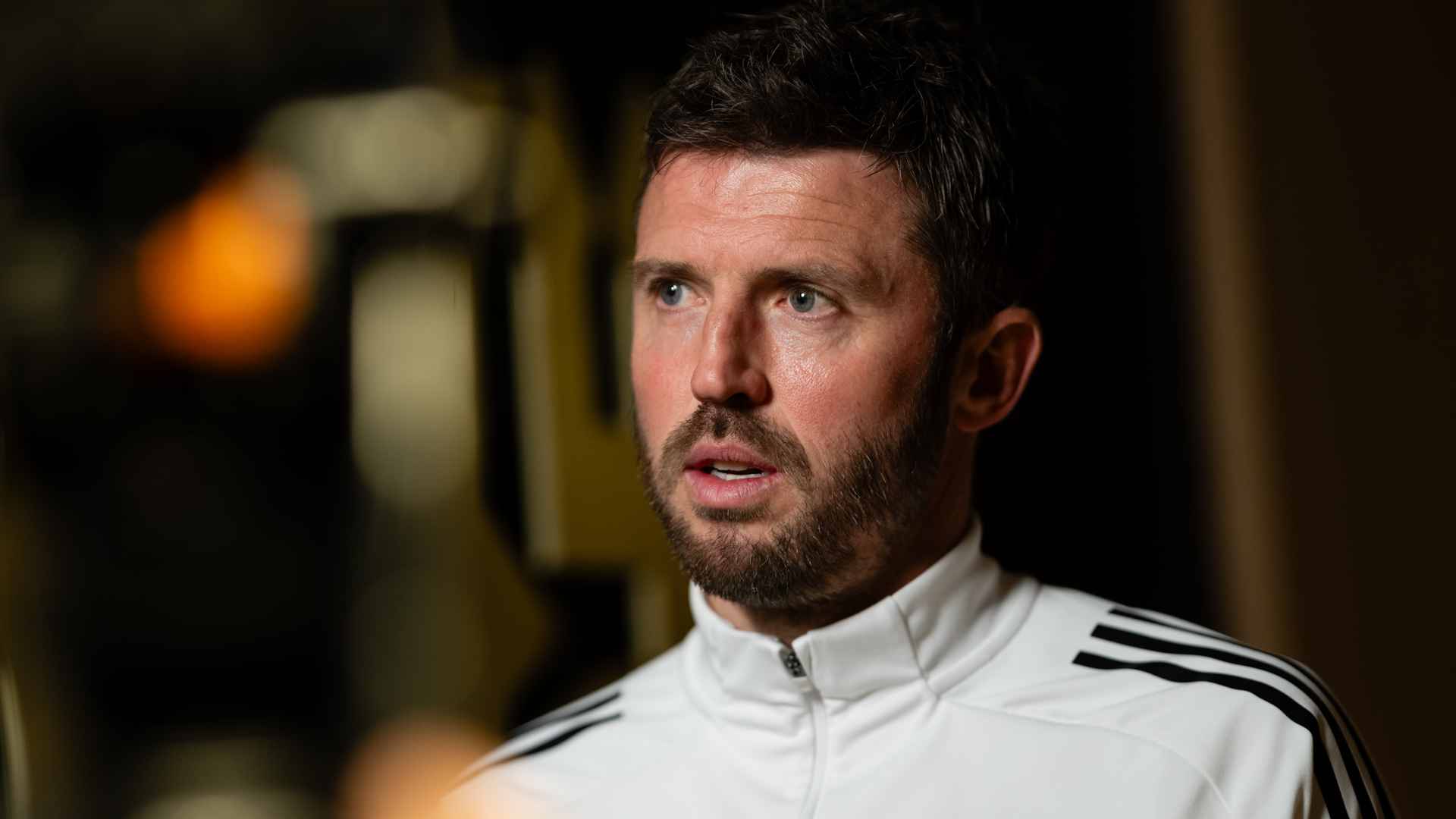
The fixture unfolds amidst sharply contrasting managerial narratives. Michael Carrick’s tenure at Manchester United has been defined by a remarkable resurgence. His undefeated streak, particularly strong home performances, has significantly recalibrated United’s competitive outlook, transforming Old Trafford into a formidable psychological fortress. This sustained positive trajectory provides executive management with crucial stability for long-term squad development and transfer strategies, mitigating the volatility inherent in managerial transitions and fostering a high-performance environment.
Conversely, Oliver Glasner’s leadership at Crystal Palace offers a complex study in managing stakeholder expectations amidst fluctuating performance. While his initial success, culminating in the club’s first major trophy, temporarily elevated institutional pride and fan morale, subsequent “disparaging remarks” have reportedly eroded a substantial portion of that goodwill. This highlights the delicate balance between on-field achievements and effective public relations in modern football. Palace’s “topsy turvy run of results” further complicates their operational assessment, revealing inconsistencies in tactical execution and squad resilience that challenge sustained competitive performance.
Tactical Deployments and Divergent Ambitions
Manchester United’s ascent to fourth place, now actively challenging Aston Villa for third, signifies a successful operational adjustment and a renewed competitive intensity. Hard-fought victories, like the recent triumph against Everton, underscore a valuable squad resilience crucial for navigating the demanding Premier League schedule. Key to this resurgence is Benjamin Šeško, whose decisive counter-attacking goal against Everton and subsequent promotion to the starting XI exemplify a meritocratic tactical approach. Šeško’s consistent offensive output, including his Player of the Month recognition, provides dynamic attacking leverage, vital for United’s strategic flexibility. Furthermore, the inclusion of academy talents Tyler Fletcher and Jack Moorhouse on the bench highlights a long-term commitment to youth development, securing future squad depth and potential transfer value.
Crystal Palace, conversely, operates with a distinctly different strategic calculus. Ten points clear of the relegation zone, their immediate Premier League safety provides an operational buffer, enabling a strategic pivot towards European competition. Their progression to the UEFA Conference League round-of-16, following a 3-1 aggregate victory over Zrinjski Mostar, has redefined their season’s objectives. This European campaign offers a tangible pathway to silverware and enhanced continental exposure, directly impacting future transfer policy and player retention. Prioritizing the Conference League, however, introduces inherent operational risks, notably squad fatigue and injury management due to a “rapid turnaround” between fixtures, demanding astute rotation from Oliver Glasner’s coaching staff amidst potentially limited squad depth.
Immediate Impact and Economic Imperatives
The tactical adjustments for this fixture directly reflect each team’s priorities. For Manchester United, Šeško’s inclusion in the starting XI is a calculated move to maximize offensive output and capitalize on his “fine form,” leveraging competitive advantages in a crucial home match. The strategic deployment of Amad as an “exciting weapon” from the bench offers critical flexibility, providing fresh impetus and adapting to evolving match situations throughout the demanding Premier League season.
Crystal Palace’s sole change sees Brennan Johnson enter the lineup. Johnson’s past performance, notably scoring Tottenham Hotspur’s winner against United in a previous UEFA Europa League final, adds a layer of competitive intrigue, presenting a specific tactical threat that United’s defense must neutralize.
Beyond immediate tactics, the financial ramifications are profound. Manchester United’s pursuit of a top-four Premier League finish is intrinsically linked to the substantial prize money, broadcast revenue, and global commercial appeal afforded by Champions League qualification. These funds are indispensable for squad reinvestment, infrastructure development, and maintaining parity with European elite clubs. For Crystal Palace, while the UEFA Conference League offers a comparatively lower financial reward, it nonetheless provides valuable prize money and significant brand exposure across Europe, fostering opportunities to attract talent, enhance player market value, and support a sustainable growth model.
Strategic Horizons and Future Trajectories
Manchester United’s current trajectory, propelled by Michael Carrick’s impactful leadership, positions the club favorably within the Premier League’s competitive ecosystem, signaling a potential return to consistent European elite status. This sustained performance not only achieves immediate competitive goals but profoundly reinforces the club’s market value and global appeal, which are critical for attracting top-tier talent and securing lucrative commercial partnerships. The ambition to challenge for a top-three finish, beyond merely securing a top-five spot, reflects a significant upward shift in operational effectiveness and strategic confidence within the club.
Crystal Palace’s strategy, underpinned by their relative safety from relegation, grants them crucial operational flexibility. This allows the club to manage squad rotation and prioritize their European campaign without the immediate existential threat faced by many Premier League clubs. Their decision to potentially “put all their eggs in the Conference League basket” is a calculated risk, a strategic choice to pursue tangible silverware and enhance European prestige. While this may involve some trade-offs in domestic league performance, the potential for a major trophy could significantly elevate the club’s profile, attract new fans, and strengthen its long-term market positioning.
The contrasting managerial fortunes of Carrick and Glasner powerfully illustrate the intense scrutiny and high stakes inherent in professional football leadership. Carrick’s burgeoning popularity and unbeaten record provide a strong mandate for his tactical and personnel decisions, fostering an environment conducive to player development and team cohesion. Conversely, Glasner’s situation demonstrates the fragility of managerial reputation, where past successes can be quickly overshadowed by performance inconsistencies and public relations missteps, underscoring the continuous pressure to deliver results and manage external communications effectively.
Ultimately, this Manchester United versus Crystal Palace fixture serves as a microcosm of the broader strategic and operational challenges prevalent in modern professional football. It acutely demonstrates how managerial acumen, player performance, and institutional priorities converge to shape competitive outcomes, financial trajectories, and the enduring narratives of two distinct Premier League clubs within the globally influential Premier League landscape.