The final fortnight of the 2026 collegiate basketball cycle has shifted from resume-building to defensive positioning. As the selection committee calibrates the 68-team field for Indianapolis, a stark divergence has emerged between elite-tier stability and mid-major volatility.
The Duke Consensus and the Battle for Top-Line Priority
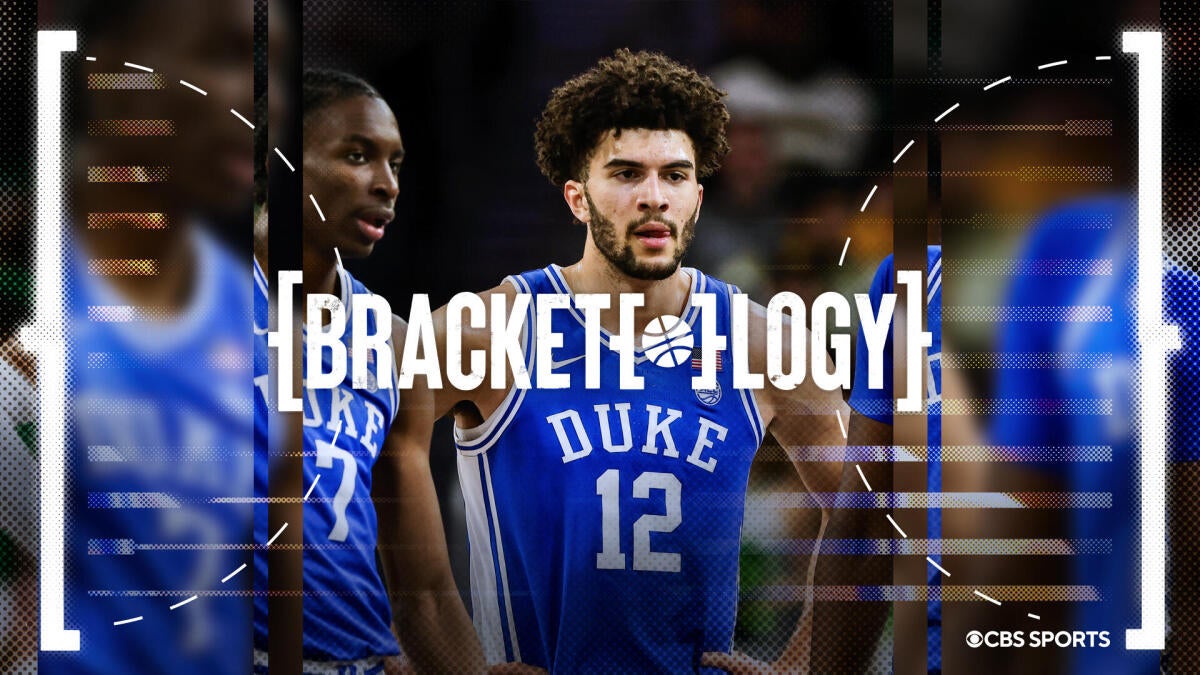
Duke University, propelled by the high-efficiency production of Cameron Boozer, has solidified its status as the No. 1 overall seed. Their neutral-site victory over Michigan served as a definitive Quadrant 1 data point, providing a statistical buffer that insulates the Blue Devils from late-season ACC fluctuations. Beyond prestige, this top-line designation secures geographic protection, minimizing travel fatigue by placing the program in the most proximate regional pods.
While Arizona remains a firm No. 1 seed, their upcoming home engagement against Kansas acts as a primary inflection point. For the Wildcats, a loss risks a slide in the overall seed list; for the Jayhawks, a road win against a top-tier opponent provides the necessary leverage to leapfrog into a No. 2 or No. 3 seed, fundamentally altering their path to the Final Four.
The Strategic Vacuum: Five Programs, One Slot
A statistical dead heat has emerged for the fourth No. 1 seed. UConn, Illinois, Iowa State, Houston, and Purdue are currently separated by negligible margins in predictive efficiency metrics. The committee’s final determination will likely hinge on conference tournament performance and head-to-head records. The delta between a No. 1 and No. 2 seed remains significant, particularly regarding the probability of facing double-digit seeds through the second round.
Virginia’s Metrics vs. The Mid-Major Stress Test
Under Ryan Odom, the University of Virginia has executed a remarkable institutional pivot, rebounding from a 15-17 season to a 25-3 record. However, Odom’s strategic prioritization of a manageable non-conference schedule has created a ceiling for their seeding. Despite their 13-2 ACC record, the Cavaliers lack the high-leverage non-conference wins required for a top-two seed. Their upcoming road game in Durham is a singular opportunity to validate their resume against the nation’s premier program.
The Miami (Ohio) Anomaly
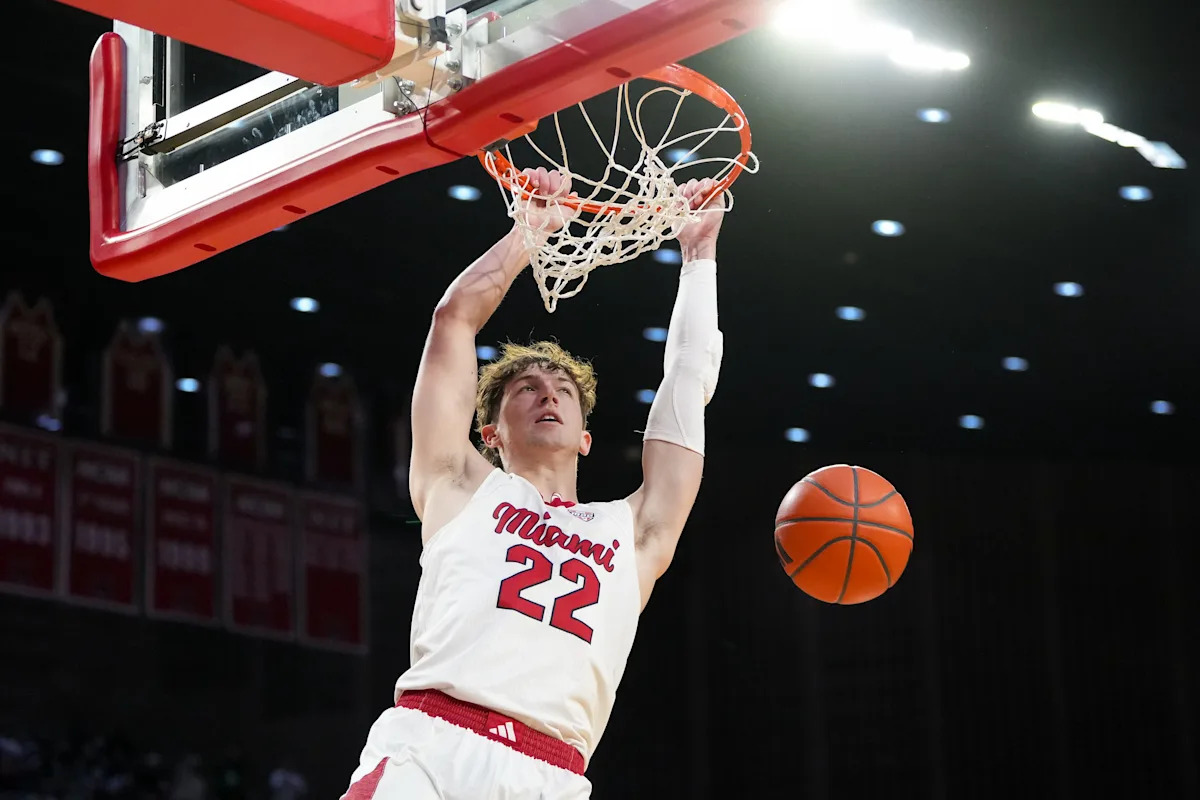
The most polarizing narrative of the 2026 cycle is the 28-0 Miami (Ohio) RedHawks. Despite an unblemished record, the program remains on the tournament bubble due to a perceived lack of strength of schedule (SOS) within the Mid-American Conference. This paradox highlights a systemic bias toward power-conference efficiency over absolute win-loss results. Should Miami (Ohio) be excluded or relegated to a double-digit seed, it signals an increasingly narrow path for mid-major relevance in the current selection era.
The Bubble Calculus and Economic Implications
The 2026 bubble is increasingly congested, with programs like Missouri (19-9) facing existential exposure due to poor non-conference performance. The committee’s increasing reliance on NET rankings and Quadrant success metrics suggests that win totals are secondary to opponent quality. This high-pressure environment also dictates the economic landscape; high-profile seeds for blue-chip programs ensure the viewership density required by broadcast partners, while an undefeated ‘Cinderella’ like Miami (Ohio) drives secondary market engagement and bracket participation.
As Selection Sunday approaches, the focus remains on whether the committee will prioritize the mathematical purity of efficiency ratings or the traditional meritocracy of an undefeated season. The 2026 tournament will serve as the ultimate test of these competing institutional philosophies.