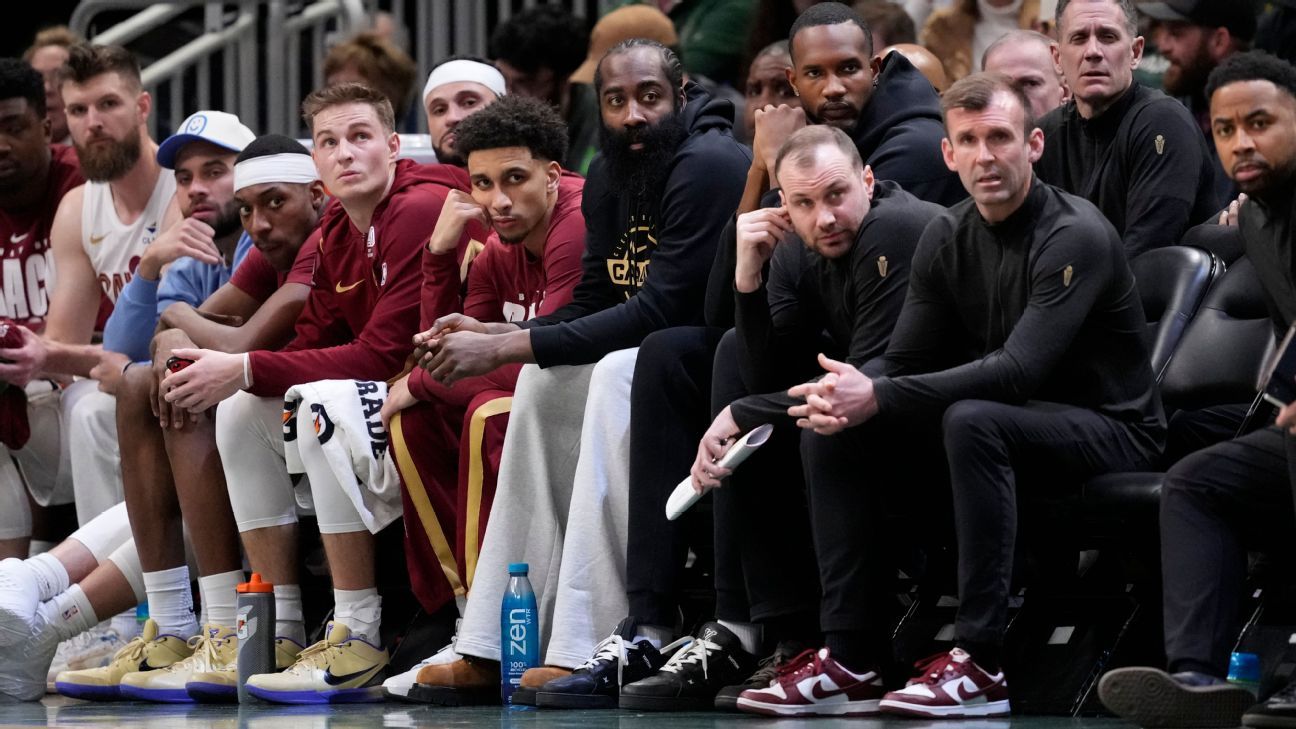
Harden Injury Complicates Cavaliers’ Strategic Investment
James Harden, recently acquired by the Cleveland Cavaliers in a high-stakes trade from the Los Angeles Clippers, sustained a non-displaced fracture of his right thumb. Confirmed via team X-rays, the injury introduces significant complexities for the Cavaliers, forcing a re-evaluation of performance leverage and strategic risk just as the team integrates its new superstar.
The acquisition of Harden was viewed as one of the most impactful moves at the NBA trade deadline, signifying the Cavaliers’ commitment to elevating their competitive ceiling for a deep playoff run. The timing of the injury, however, threatens to disrupt this strategic objective, challenging the organization’s immediate return on investment.
Operational Impact and Medical Risk Assessment
The non-displaced fracture, located in the distal phalanx of his right thumb, presents a calculated risk for both Harden and the organization. While Harden shoots left-handed, his right hand is critical for off-hand dribbling, passing accuracy, and defensive positioning. The injury affects dexterity and pain tolerance, potentially degrading performance in key playmaking areas. The decision for Harden to play through the injury, despite the fracture, reflects the intense pressure on both parties to maintain momentum and justify the trade.
Medical analysis confirms that surgery is not required for a non-displaced fracture, allowing Harden to attempt playing with a splint or wrap. This approach, however, carries inherent risks, particularly concerning pain management and potential long-term complications related to grip strength. The team’s medical staff must carefully monitor Harden’s condition to prevent exacerbation, balancing the player’s desire to compete with the organization’s responsibility to protect its long-term asset.
Strategic Implications for Playoff Positioning and Financial Leverage
The injury occurs during a critical phase of the season, where the Cavaliers are vying for playoff seeding. This situation is compounded by other key injuries to teammates like Donovan Mitchell and Evan Mobley, placing significant strain on the team’s depth. The confluence of injuries forces the coaching staff to re-evaluate Harden’s workload and role, potentially impacting team chemistry and performance against strong Eastern Conference opponents.
For Harden, playing through the pain demonstrates commitment to his new team and mitigates perceptions of fragility, which is critical for a player seeking to establish value in a new environment. For the Cavaliers, the injury complicates the integration process and tests the resilience of their strategic investment. The potential long-term consequences of playing through a fracture could affect Harden’s performance trajectory and, consequently, his future contract negotiations and perceived market value. This situation highlights the intersection of medical risk, competitive strategy, and financial leverage inherent in professional sports.