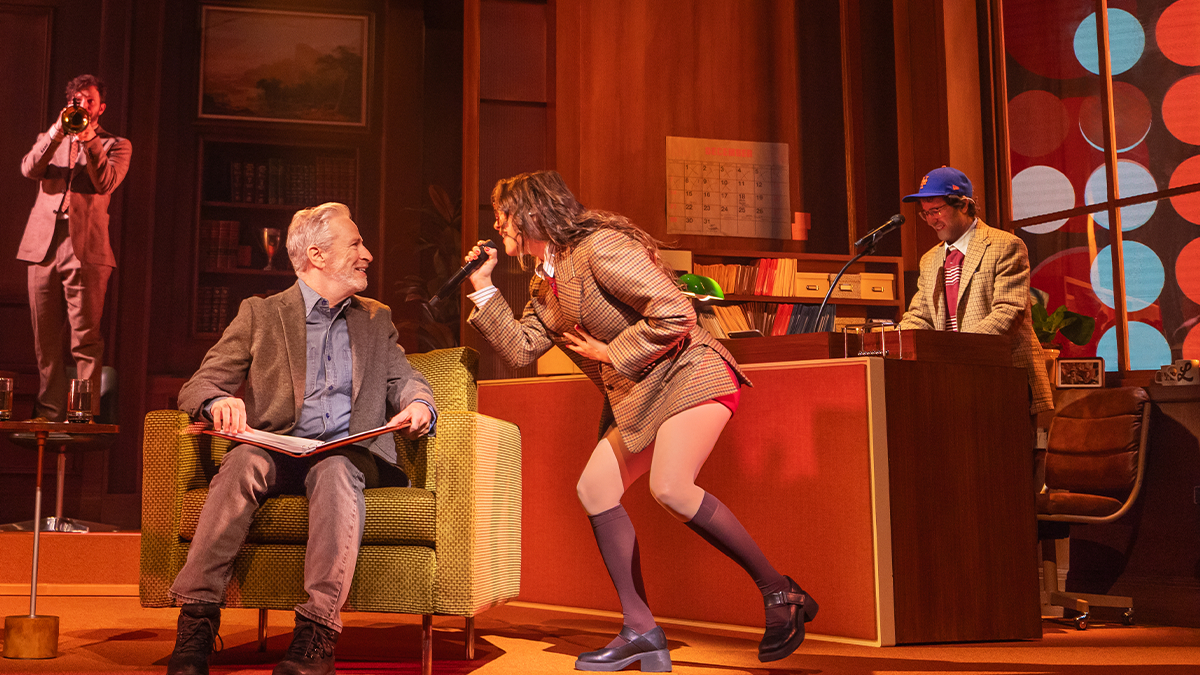
The final cast transition of Simon Rich’s All Out: Comedy About Ambition at the Nederlander Theatre represents a sophisticated pivot in the 2025-2026 Broadway cycle. By integrating high-profile talent—including Ray Romano, Jenny Slate, Nicholas Braun, and Jake Shane—during the final weeks, the production employs a modular talent rotation designed to maximize box office yield ahead of its March 8 closure.
This operational framework addresses the structural volatility inherent in non-musical plays. By utilizing a rotating ensemble, the production minimizes the long-term fiscal liabilities of star-weighted contracts while generating secondary marketing cycles that tap into distinct demographic cohorts.
The Economics of the Rotating Cast Model
The strategic pairing of Nicholas Braun and Jake Shane with veterans like Ray Romano and Jenny Slate facilitates a cross-generational audience bridge. Braun’s television equity and Shane’s digital-native reach provide essential human capital, driving ticket velocity during the typically decelerated final phase of a limited run.
Financially, this model functions as a hedge against diminishing marginal returns. Each cast iteration serves as a performance lever, allowing the production to capture renewed media attention and sustain high average ticket prices without the capital expenditure of a full restaging. Under Alex Timbers’ direction, the production transforms a literary compendium into a high-grossing commercial enterprise.
Strategic Intellectual Property Integration
By leveraging Simon Rich’s New Yorker archives, All Out aligns with a pre-conditioned demographic of affluent urban professionals. This alignment is vital for a production exploring themes of professional ego and social greed within New York’s competitive ecosystem.
The transition from traditional three-act structures to modular literary adaptations represents a shift in content acquisition strategy. This flexibility accommodates the restricted schedules of top-tier comedic talent, while David Korins’ scenic design—reliant on digital graphics—allows for rapid narrative transitions. This lean operational approach maximizes impact while reducing the physical footprint and logistical overhead typical of Broadway changeovers.
Live Music as a Performance Multiplier
The inclusion of the soul-pop band Lawrence, fronted by Gracie Lawrence, introduces a multi-sensory layer that differentiates the show from traditional comedic reviews. This partnership serves as a value-add, expanding the production’s reach into digital content and music streaming ecosystems. While increasing daily operating costs, the integration of live music is justified by enhanced audience retention and potential for secondary revenue streams through cast recordings.
Operational Design and Market Positioning
David Korins’ minimalist scenic framework and Jennifer Moe’s costume design support a non-normative structure that mirrors digital media consumption patterns. This reliance on digital elements facilitates lower load-out costs at the Nederlander Theatre, critical for limited-run profitability.
Market positioning focuses on New York-centric themes, establishing a niche with high local relevance. By branding the production as a specific critique of ambition, the producers differentiate All Out from broader revivals, capturing a unique market share of text-driven comedy. The model’s agility allows marketing to pivot based on the specific strengths of the rotating cast, remaining responsive to shifting consumer demand.
Institutional Impact and Scarcity Marketing
Following the success of All In, the trajectory of All Out suggests an institutional appetite for modular, star-driven vehicles. For Broadway landlords, this offers a lower-risk alternative to the high-capital requirements of large-scale musicals, providing predictable cash flow for historic venues. The March 8 closure date utilizes scarcity-based marketing to optimize final ticket yields, ensuring the production exits the market at peak demand.
Conclusion
All Out serves as a case study in the integration of literary intellectual property, rotating star power, and modern production efficiency. As the industry explores new formats for non-musical content, the convergence of digital aesthetics with traditional performance marks a significant evolution in Broadway’s operational philosophy. The final curtain on March 8 concludes a run that has successfully challenged the normative boundaries of commercial theater.