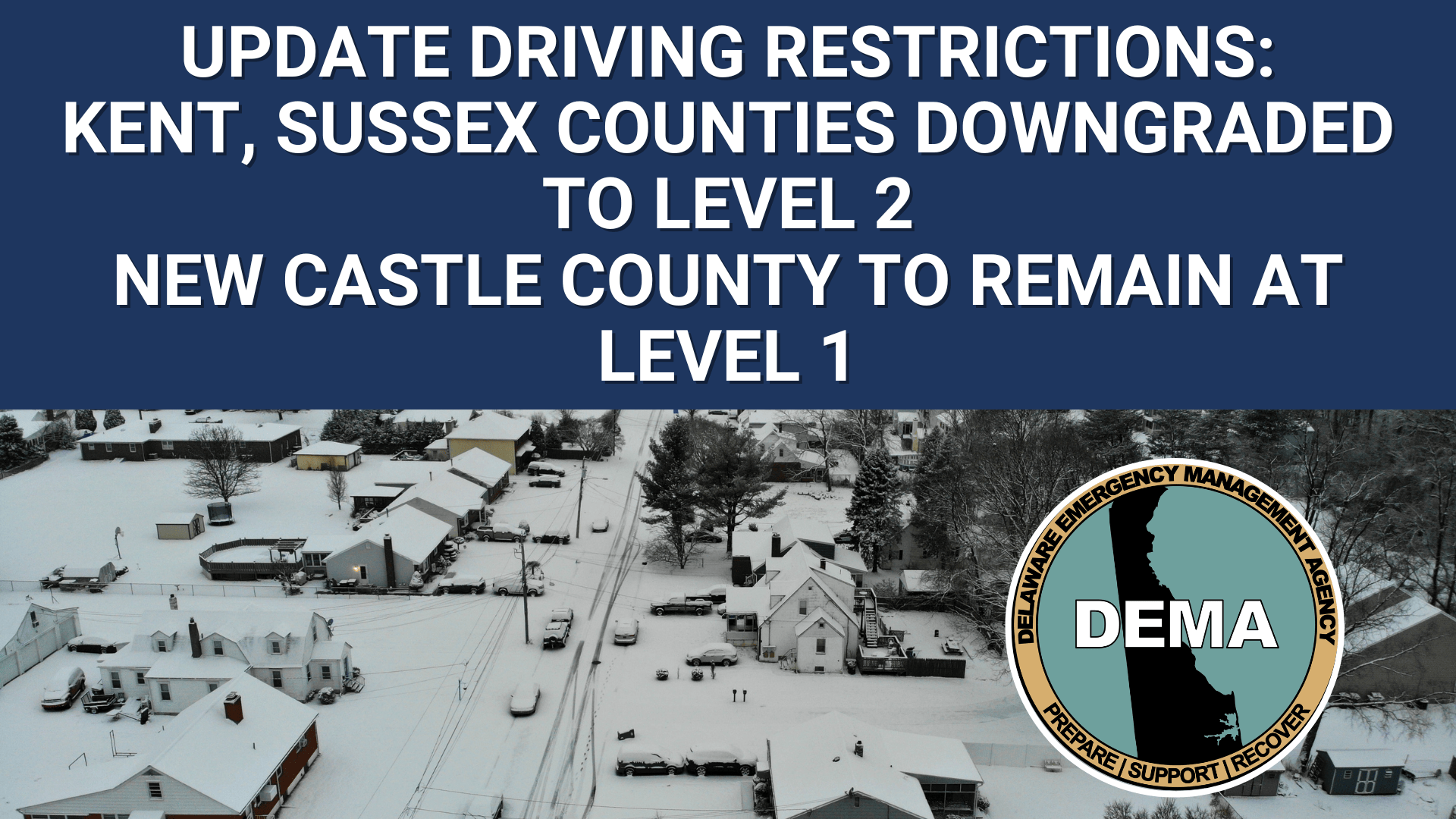
The State of Delaware has transitioned its emergency response posture from total mobility suppression to controlled essential transit. Effective immediately, authorities have downgraded Kent and Sussex counties from a Level 3 Driving Ban to a Level 2 Driving Restriction, signaling a strategic pivot toward infrastructure stabilization following the severe winter storm of February 22.
A Level 2 Driving Restriction functions as a regulatory firewall, prohibiting general public motor vehicle operation to maintain clear corridors for essential personnel. This mandate facilitates the movement of emergency medical services, critical infrastructure repair teams, and snow removal units. The Delaware Emergency Management Agency (DEMA) manages this via the State of Emergency Driving Waiver Program, which provides the institutional framework for pre-approved private and public entities to sustain supply chain continuity without impeding recovery logistics.
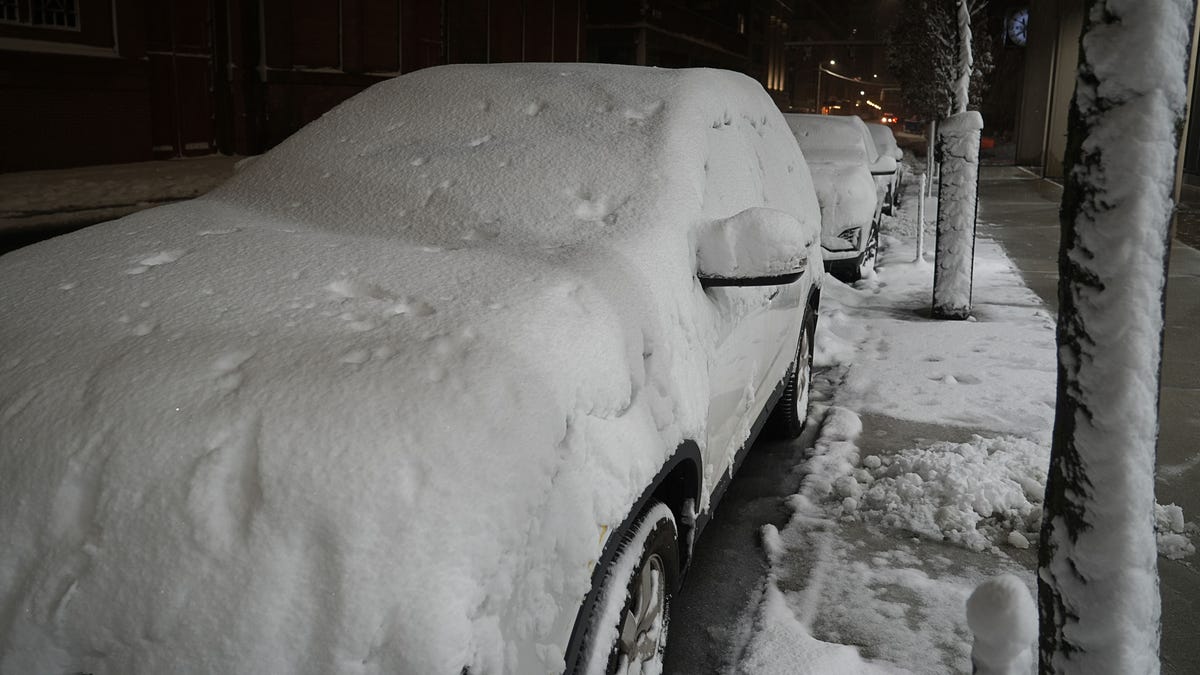
The state’s tiered response reflects a sharp geographical disparity in meteorological impact. While New Castle County remains under a Level 1 Driving Warning—the lowest advisory tier—Kent County recorded peak accumulations of 20.5 inches, significantly outstripping the initial 12-to-18-inch forecasts. This snowfall volume necessitated the deployment of Delaware National Guard assets to assist local municipal resources in the southern counties, where the sheer density of accumulation threatened to overwhelm regional clearing capacity.
Infrastructure recovery is currently focused on the energy grid. Delmarva Power reports that 65% of the 77,000 customers impacted by the blizzard have had service restored. However, 27,000 residents in Sussex, Somerset, Wicomico, and Worcester counties remain without power. The complexity of these remaining outages stems from physical destruction—downed poles and line failures caused by mature tree canopy collapses—rather than simple circuit trips. This necessitated a shift from remote diagnostic restoration to high-labor field operations.
To mitigate public health risks in sub-freezing temperatures, the state has activated a regional network of warming centers. High-capacity facilities at Dover High School and Sussex Central Middle School are providing life-safety support, supplemented by Maryland-based sites at the Dorchester County Library and Wicomico Civic Center. This multi-jurisdictional coordination remains the cornerstone of the recovery phase as DelDOT transitions from clearing primary arterial routes to addressing the more fragile secondary and non-primary road networks.