
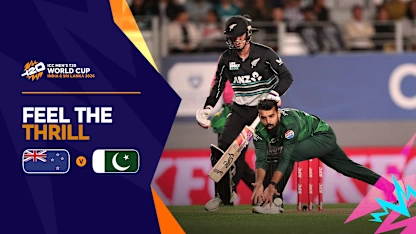
The Super 8 phase of the 2026 ICC Men’s T20 World Cup intensifies as New Zealand meets Pakistan at Colombo’s R. Premadasa Stadium. This fixture serves as a critical strategic inflection point, dictated by the venue’s historical bias toward high-friction surfaces and variable bounce. Beyond the immediate points at stake, the match represents a clash of institutional philosophies regarding squad construction and tactical adaptability in subcontinental environments.
Biomechanical Scrutiny and Regulatory Leverage
The pre-match narrative is dominated by New Zealand’s formal concerns regarding the legality of Usman Tariq’s bowling action. In the high-performance context of an ICC event, such public discourse is rarely incidental; it serves as a calculated exercise in administrative leverage. By spotlighting Tariq’s mechanics, New Zealand’s leadership necessitates heightened vigilance from match officials, potentially influencing the bowler’s psychological rhythm and Pakistan’s tactical flexibility.
For Pakistan, Tariq represents a vital defensive asset in spin-friendly conditions. Any regulatory intervention by the ICC technical committee would not only deplete Pakistan’s bowling depth but also raise systemic questions regarding their player development pathways for unorthodox talent. This friction underscores the ongoing tension between innovative delivery styles and the rigid enforcement of biomechanical standards within the international game.
Environmental Dynamics: The Premadasa Pivot
R. Premadasa Stadium imposes a mandatory recalibration for pace-oriented units like New Zealand. The surface’s susceptibility to turn requires a transition from traditional swing-heavy strategies to a reliance on tactical discipline in the middle overs. Success in this environment is contingent upon managing the ‘friction coefficient’ of the pitch, where variable bounce can negate aggressive power-hitting cycles.
Pakistan’s historical reliance on slow-bowling depth provides a natural comparative advantage. However, New Zealand’s integration of subcontinental preparation into their high-performance training aims to neutralize this through specialized sweep-shot execution and high-frequency strike rotation. The toss remains a high-value variable, as the presence of evening dew in Colombo significantly impacts the defensive viability of defending a total.
Institutional Stakes and the 2024-2026 Cycle
This encounter transcends the current tournament standings, impacting the broader ICC 2024-2026 operational roadmap. Performance in the Super 8s directly correlates with commercial leverage and future revenue distribution models. As part of the ICC’s global expansion and professionalization efforts—linking events from the Under-19 level to the Champions Trophy—the outcome of this match serves as a barometer for the organizational health of both national boards.
The convergence of technical controversy, environmental challenges, and broadcaster interests reinforces the complexity of modern T20 cricket. As teams navigate the Super 8 format, the ability to maintain technical composure under systemic pressure differentiates elite programs from their competitors. This match is not merely a sporting event but a high-stakes negotiation of skill, legality, and strategic foresight.

Photo by Wolfgang-1958 on Pixabay.