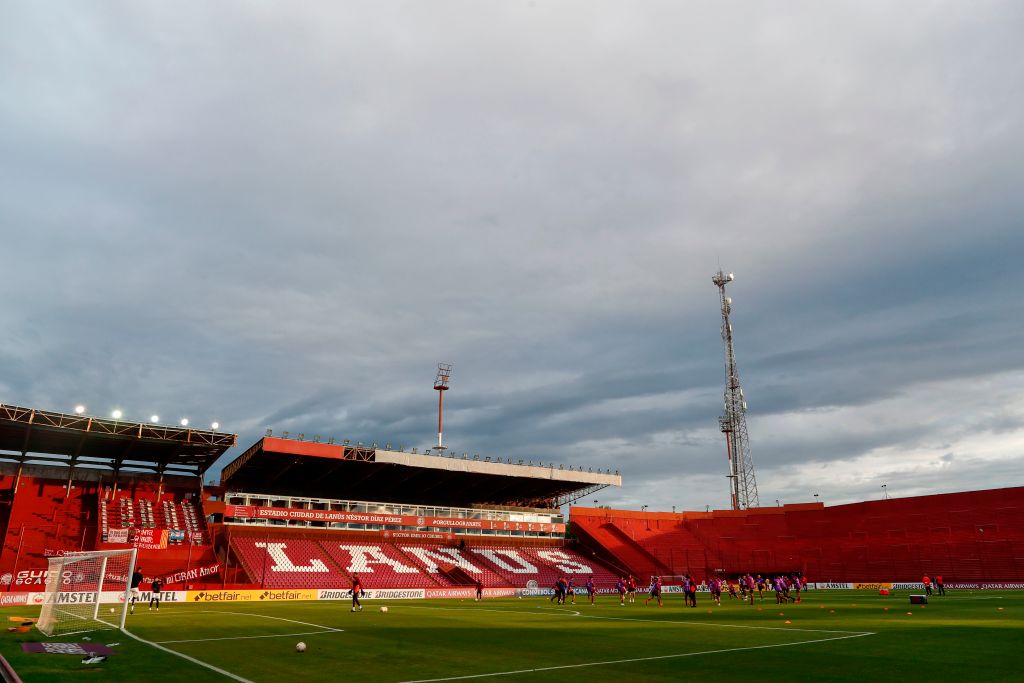
Recopa Sudamericana: The Strategic and Economic Benchmark for Flamengo and Lanús
The Recopa Sudamericana final between Flamengo and Lanús represents more than a simple trophy match; it serves as a critical strategic benchmark for competitive dominance within the CONMEBOL ecosystem. This two-legged final pits the reigning Copa Libertadores champion against the Copa Sudamericana winner, establishing a definitive hierarchy for the preceding season’s performance. For Flamengo, the match offers an opportunity to solidify its position as a continental powerhouse, while Lanús seeks to leverage its recent Sudamericana success to challenge the established Brazilian hegemony.
Strategic Prioritization and Squad Management
Flamengo’s operational approach to the Recopa final reveals a calculated prioritization of international prestige over domestic commitments. Coach Filipe Luís strategically utilized a mixed team in the preceding Cariocão match against Botafogo, resting key starters such as Pedro and Emerson Royal. This decision-making process underscores the tactical importance placed on the Recopa, where a two-legged final demands optimal player fitness and tactical flexibility.
The specific rotation of players like Varela, Luiz Araújo, and Carrascal highlights Flamengo’s squad depth and a strategic calculation required to manage player load across multiple high-stakes competitions. For a club with high expectations in both local and international arenas, the Recopa final serves as a critical test of operational efficiency and resource allocation. The management of player rotation is essential for mitigating injury risk and ensuring peak performance during critical phases of the season, directly reflecting the club’s prioritization of continental titles over domestic results.
Competitive Dynamics and Historical Context
Flamengo enters the 2026 Recopa final under a unique layer of competitive pressure due to its recent history in the competition. The club’s 2020 victory against Independiente del Valle was followed by a defeat to the same club in 2023, with the loss occurring on home turf at Maracanã via a penalty shootout. This historical pattern creates a narrative of redemption for Flamengo, highlighting the pressure to reassert dominance on the international stage.
For Lanús, the Recopa final represents an opportunity to validate its Copa Sudamericana victory against a Brazilian giant. Lanús’s path to the final included a penalty shootout win over Atlético Mineiro, another prominent Brazilian club, demonstrating their ability to compete effectively against top-tier opponents. This history sets the stage for a compelling Argentina-Brazil rivalry, where Lanús aims to demonstrate that its Sudamericana success reflects competitive strength against the region’s top teams, not an anomaly.
Institutional Economics and Broadcast Landscape
The institutional history of the Recopa Sudamericana reflects CONMEBOL’s ongoing efforts to adapt its tournament structure for maximum competitive relevance and commercial value. The current format, pitting the Libertadores winner against the Sudamericana winner, solidifies the Recopa’s position as a high-value event. The Sudamericana winner’s path to the Recopa final provides a significant strategic incentive for clubs competing in the secondary tournament, as winning not only grants a trophy but also provides direct entry into the group stages of the subsequent Copa Libertadores, highly lucrative Copa Libertadores.
The global distribution of the Recopa final highlights the increasing commercial value of South American football for international markets. Broadcast partners such as beIN SPORTS (Australia, Middle East) and Fubo (USA, Canada) indicate a strategic effort to monetize the event across diverse geographical regions. These broadcast rights agreements are crucial for CONMEBOL’s revenue generation and enhance the financial incentives for participating clubs, influencing strategic decisions like Flamengo’s prioritization of the tournament.
However, the explicit mention of geo-restrictions and the use of Virtual Private Networks (VPNs) reveals a significant tension in the modern media landscape. The traditional model of territorial broadcast rights, designed to maximize revenue by creating exclusive regional markets, is increasingly challenged by technological solutions that allow consumers to bypass these restrictions. This conflict between exclusivity and global accessibility complicates the valuation of these rights, creating a strategic challenge for both rights holders and broadcasters in balancing profitability with consumer demand.
Conclusion: A Test of Strategic Efficiency and Competitive Balance
The Recopa final serves as a high-profile test of operational efficiency and competitive balance in South American football. For Flamengo, the match is a crucial measure of its strategic approach to managing a deep squad across multiple fronts, validating its status as a continental leader. For Lanús, it represents a chance to validate its Sudamericana success and challenge the perceived financial and competitive dominance of Brazilian clubs. The outcome will influence perceptions of competitive strength for both nations in the upcoming season and highlight the evolving commercial and institutional dynamics of CONMEBOL football.