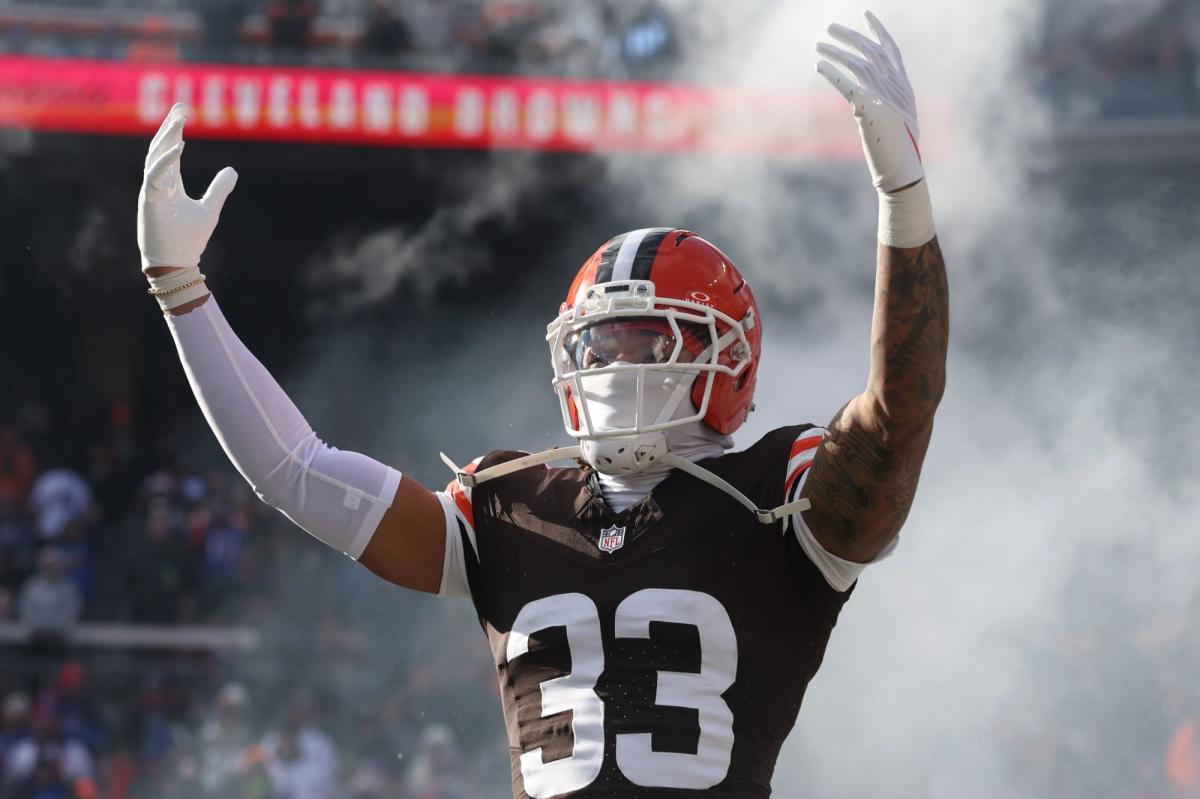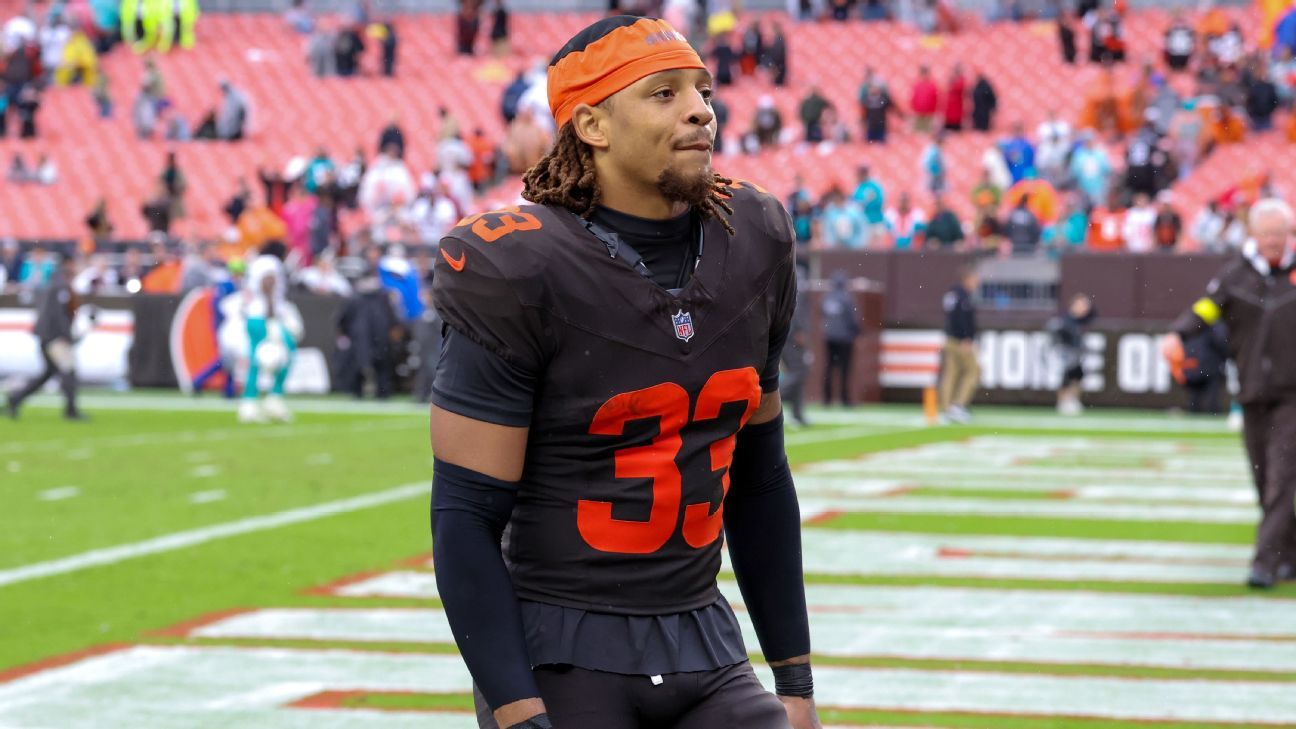
Cleveland Browns Safety Ronnie Hickman Assaulted in New York City
Cleveland Browns safety Ronnie Hickman, a key figure in the team’s defense last season, was assaulted by four individuals in the lobby of a Manhattan hotel early Monday morning. The incident occurred shortly after 4:30 a.m. and resulted in Hickman sustaining minor injuries. He was transported to Bellevue Hospital for treatment and subsequently released, returning home to rest with his family.
The assault introduces a significant, unforeseen variable into Hickman’s immediate career trajectory. As a New Jersey native who recently completed a breakout season, Hickman’s high profile in a public space highlights the inherent risks associated with fame for professional athletes during the offseason, when typical team security protocols are inactive. Law enforcement sources are investigating whether the attackers recognized Hickman as an NFL player, suggesting a potential motive tied directly to his public identity.
Strategic Implications for Restricted Free Agency (RFA) Negotiations
The timing of the incident is critical, coinciding with Hickman’s status as an impending restricted free agent (RFA). Having completed his third season, Hickman’s performance—starting all 17 games and registering career highs in tackles (103), pass deflections (7), and interceptions (2)—positions him as a valuable asset for the Browns. The RFA process requires the Browns to decide on a tender offer to retain his rights, with the level of the tender (e.g., first-round, second-round, original round) determining the compensation required if another team signs him to an offer sheet.
A breakout season typically warrants a higher tender to maximize retention value and deter rival teams. However, an incident involving physical assault introduces a layer of risk assessment that complicates standard performance-based valuations. While Hickman’s injuries were minor, the team’s front office must analyze how the event affects his long-term reliability and risk profile. This calculation involves weighing his on-field value against potential future liabilities related to physical or psychological recovery.
For the Browns, the assault could justify a more conservative approach to the tender offer. A lower tender might signal a reduction in perceived long-term value or an attempt to mitigate risk, while a higher tender would reaffirm confidence in the player despite the external incident. For Hickman, the incident could potentially impact his negotiation leverage, requiring both parties to navigate the implications of the assault alongside performance metrics. The final tender decision will reflect the balance between Hickman’s proven value and the newly introduced risk variable.
Operational Risk and Offseason Player Safety Protocols
The incident underscores the operational challenges professional sports organizations face in managing player safety during the offseason. While teams maintain stringent security measures during the regular season, including facility and travel protocols, players are largely responsible for their personal safety during the extended break. The assault on Hickman in a public space raises critical questions regarding the efficacy of existing risk management strategies for high-profile individuals.
From an institutional perspective, player safety extends beyond the field of play, encompassing a duty of care that, while less defined in the offseason, still carries significant implications for team operations and liability. Incidents involving players, even when they are victims, disrupt team planning, create public relations challenges, and potentially impact player availability. The Browns’ swift public statement, confirming the incident and minor injuries, serves as a standard risk mitigation measure to control the narrative and minimize speculation.
The investigation into whether recognition was a motive highlights a specific vulnerability for athletes: fame itself becomes a liability. This necessitates continuous assessment of institutional guidelines and advisories provided to players regarding personal security, public appearances, and travel during the offseason. The incident reinforces the need for a re-evaluation of personal security protocols for high-profile athletes, particularly in high-traffic urban environments.
Media Narrative and Reputational Management
The media’s framing of the incident shapes public perception and influences the narrative surrounding the player and the team. While Hickman is clearly identified as the victim, the high-profile nature of the event requires careful reputational management by the Browns organization. The team’s official statement, emphasizing Hickman’s minor injuries and return home to family, aims to minimize public alarm and protect the player’s privacy. This approach is standard practice for professional sports organizations dealing with sensitive off-field incidents, ensuring stability and focusing on recovery while avoiding sensationalism.
This incident also provides a case study in the difference between a player being a victim versus a perpetrator in media coverage. While a player’s misconduct often leads to significant negative publicity and disciplinary action, an incident where a player is the victim typically garners sympathy and support. However, both scenarios require a strategic response from the team to manage public perception and maintain institutional integrity. The long-term consequences of the assault extend beyond immediate physical recovery; the psychological impact can affect a player’s performance and well-being, necessitating support resources from the organization.
Conclusion and Long-Term Outlook
The assault on Ronnie Hickman highlights the intersection of professional sports, public exposure, and personal risk. The incident forces a re-evaluation of how teams manage player safety outside structured environments and how contractual decisions are influenced by external factors beyond on-field performance. The Browns’ response and subsequent contract negotiations will set a precedent for managing similar incidents involving high-value, restricted free agents. The ongoing investigation and its outcome will be closely monitored by both the team and the league, potentially influencing future policy adjustments regarding player safety and security advisories.