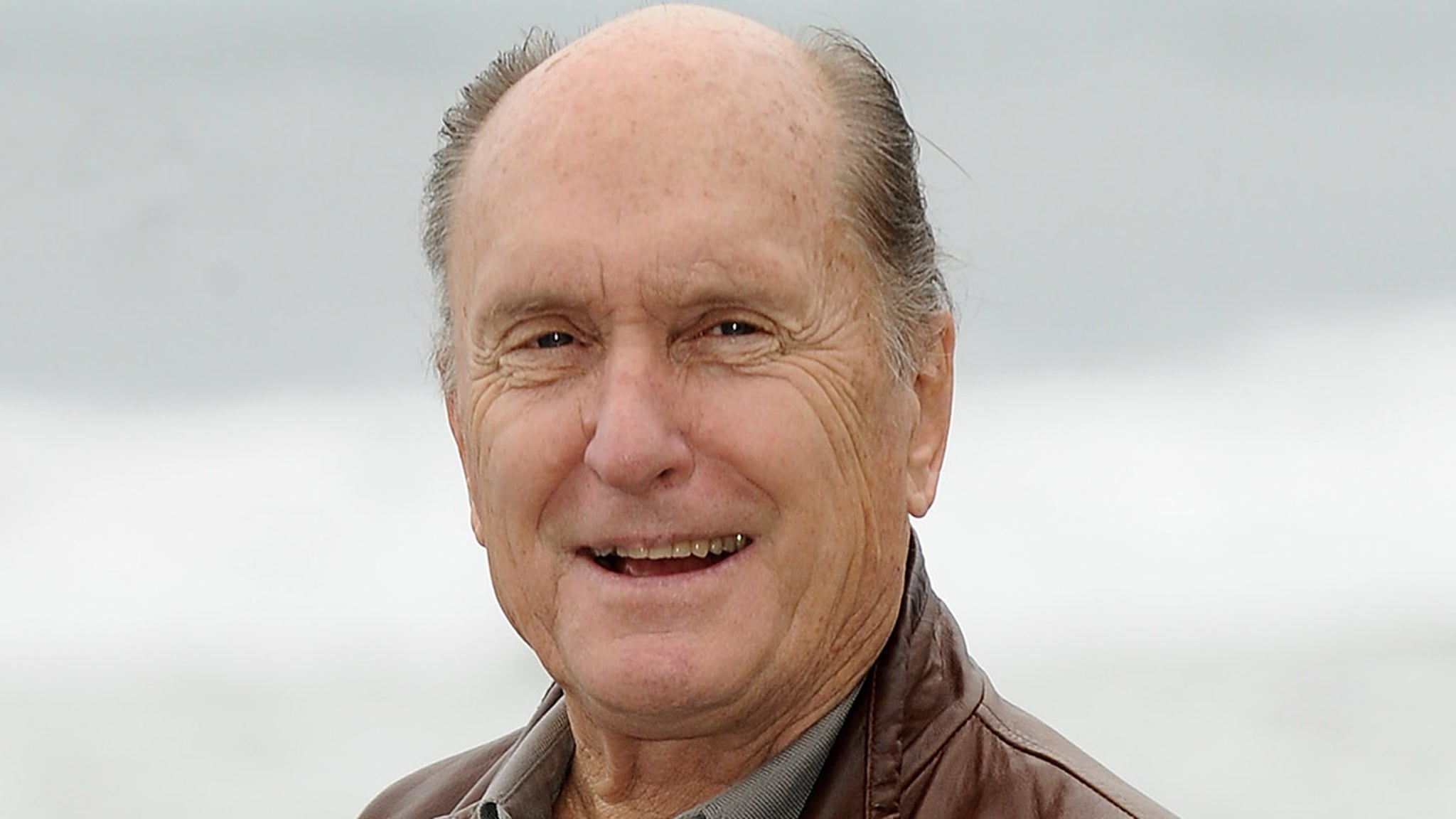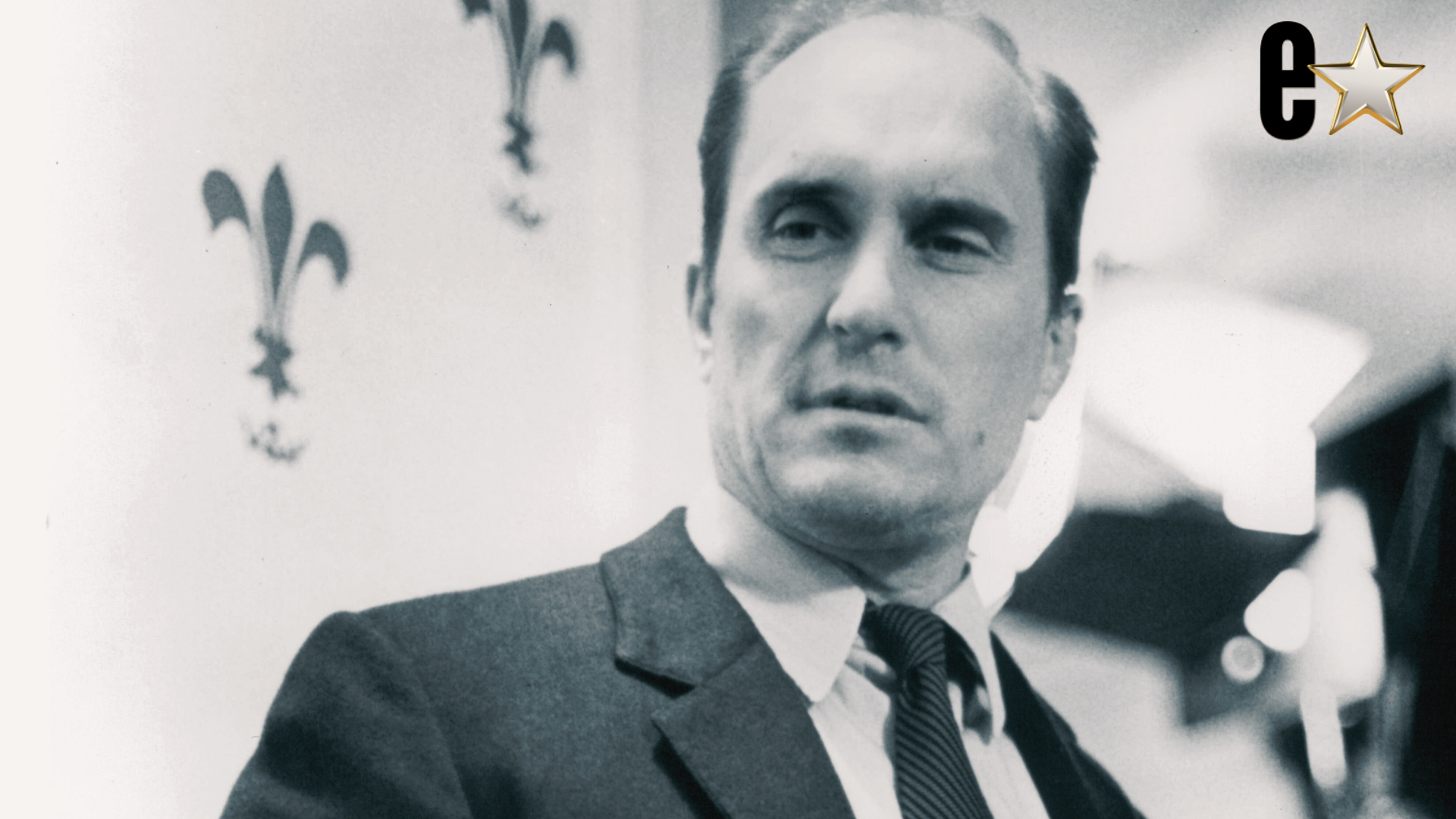
Robert Duvall, Oscar-Winning Acting Legend, Dies at 95
Robert Duvall, the Academy Award-winning actor whose career spanned over seven decades, passed away peacefully at his home in Middleburg, Virginia, on Sunday evening at the age of 95. His wife, Luciana Duvall, confirmed his death in a statement released Monday, highlighting his profound impact on both his personal life and the global cinematic landscape.
His passing invariably compels a re-evaluation of his extensive filmography and the foundational principles guiding his artistic contributions, underscoring the enduring significance of an actor’s craft in shaping cultural narratives and influencing industry standards across generations.
Foundational Craft and Enduring Influence
Born in San Diego in 1931, Duvall’s early life, marked by his father’s U.S. Navy Rear Admiral status and upbringing in Annapolis, provided a backdrop of discipline that would later inform his rigorous approach to acting. His decision to pursue a bachelor’s degree in drama and serve briefly in the U.S. Army before immersing himself in the arts reflects a deliberate path toward a demanding profession.
His foundational training at the Neighborhood Playhouse School under the tutelage of Sanford Meisner proved pivotal, establishing a methodological bedrock for his subsequent performances. Meisner’s emphasis on truthful acting and the reality of doing became a hallmark of Duvall’s work, allowing him to inhabit characters with an authenticity that resonated deeply with audiences and critics alike.
This rigorous institutional training provided a distinct competitive advantage in an industry often swayed by transient trends, ensuring a consistent level of performance excellence. The systematic application of such a disciplined approach enabled Duvall to navigate diverse genres and roles while maintaining an identifiable artistic integrity.
Defining Roles and Industry Positioning
Duvall achieved widespread recognition as Tom Hagen, the consigliere to the Corleone family in Francis Ford Coppola’s seminal 1972 film, “The Godfather,” a role he reprised in its equally acclaimed sequel. This portrayal cemented his status as a household name and irrevocably linked him to one of cinema’s most revered franchises.
The strategic casting in such a culturally significant production not only elevated Duvall’s individual profile but also contributed to the enduring financial and critical success of the films. His performance as Hagen exemplified a nuanced understanding of power dynamics and loyalty, becoming a benchmark for character acting within the crime drama genre.
The sustained global appeal of “The Godfather” films continues to generate significant intellectual property value and cultural capital, with Duvall’s contribution remaining a central component. This enduring market presence ensures his work remains accessible and influential for new generations of viewers and filmmakers, perpetuating his legacy within the broader entertainment ecosystem.
Peak Recognition and Artistic Acumen
Duvall’s artistic prowess received its highest institutional validation in 1984 when he won the Academy Award for Best Actor for his portrayal of country singer Mac Sledge in “Tender Mercies.” This role is widely regarded as one of the finest performances in American cinema, showcasing his profound ability to convey complex human emotion with understated power.
The Academy Award represents a critical performance leverage point, affirming an actor’s artistic peak and often leading to increased demand and strategic career opportunities. Such accolades not only celebrate individual achievement but also contribute to the historical record of cinematic excellence, influencing future critical discourse and industry awards cycles.
This recognition solidified Duvall’s position among the elite performers of his generation, underscoring the financial and reputational incentives associated with critical acclaim. The film’s enduring presence in cinematic curricula and critical analyses further demonstrates the long-term cultural investment in such highly regarded artistic contributions.
Longevity, Versatility, and Career Trajectory
A career spanning over seven decades speaks to an extraordinary level of sustained relevance and adaptability within a notoriously volatile industry. Duvall’s ability to consistently secure significant roles across various genres, from dramas to Westerns, highlights a strategic approach to career management and artistic evolution.
This longevity is a testament to his consistent demand, reflecting both his acting talent and a professional reputation that transcended fleeting industry trends. Such a sustained presence contributes significantly to the institutional memory of Hollywood, providing a continuous link across different eras of filmmaking and performance styles.
The breadth of his iconic roles demonstrates a versatility that allowed him to avoid typecasting, a common challenge for actors who achieve early fame in a specific character. This strategic diversification of his portfolio of work ensured a robust and enduring career, maximizing his artistic and commercial impact over time.
Posthumous Legacy Management and Stakeholder Implications
Luciana Duvall’s emotional statement, shared via Facebook, not only confirmed his passing but also initiated the public phase of managing his posthumous legacy. Her description of him as “simply everything” to her, while also acknowledging his global stature as an Academy Award-winning actor, director, and storyteller, frames the dual nature of his public and private persona.
The request for privacy to celebrate his memories underscores the delicate balance between public mourning and personal grief, a recurring challenge for the estates of prominent public figures. This initial communication sets the tone for how his image, intellectual property, and artistic contributions will be curated and presented in the years to come, impacting potential licensing and archival decisions.
The management of a celebrated actor’s estate involves complex financial and operational considerations, including the stewardship of film rights, image usage, and the potential for posthumous projects or documentaries. This process ensures the continued financial and cultural leverage of his body of work, benefiting his family and the institutions dedicated to film preservation.
Market Re-evaluation and Digital Accessibility
The passing of a figure of Duvall’s stature invariably triggers a widespread re-evaluation of his entire filmography, often leading to increased viewership across streaming platforms and digital rental services. This phenomenon represents a significant, albeit somber, market dynamic that temporarily boosts the commercial performance of an artist’s back catalog.
Streaming services, in particular, play a crucial role in making extensive filmographies like Duvall’s globally accessible, ensuring that his work continues to reach diverse audiences and generate revenue. This digital distribution model provides a continuous financial incentive for studios and rights holders to preserve and promote his contributions to cinema.
The renewed critical and public interest often leads to retrospective articles, documentaries, and academic analyses, further cementing his place in cinematic history and influencing future cultural discourse. This cycle of re-discovery and re-appraisal is a standard pattern in the media landscape following the death of a cultural icon, reinforcing their enduring impact.
Institutional Memory and Artistic Inspiration
Duvall’s career serves as a vital component of the institutional memory of Hollywood, representing a link to a particular era of filmmaking characterized by strong character-driven narratives and meticulous craft. His work provides a rich resource for film schools, acting conservatories, and aspiring artists seeking to understand the evolution of performance techniques.
The consistent quality and depth of his performances offer invaluable lessons in character development, emotional truth, and the subtle nuances of screen acting. This educational leverage ensures that his artistic principles and methodologies continue to influence future generations of actors and directors, perpetuating a high standard of professional practice.
His contributions to the art form are not merely historical records but active sources of inspiration, demonstrating how dedication to craft can result in a lasting and unforgettable legacy. This continuous influence underscores the structural importance of individual artistic excellence in shaping the collective output and aspirations of an entire industry.
The Enduring Power of Performance and Legacy
Luciana Duvall’s poignant reflection that “For each of his many roles, Bob gave everything to his characters and to the truth of the human spirit they represented” encapsulates the core of his artistic philosophy. This dedication to authentic portrayal is precisely what allowed his performances to transcend mere entertainment and achieve profound resonance.
The concept of “leaving something lasting and unforgettable” speaks to the enduring cultural capital generated by truly exceptional artistic contributions. Such a legacy extends beyond box office receipts or critical accolades, embedding itself in the collective consciousness and influencing the very definition of cinematic excellence.
Robert Duvall’s passing marks the end of an extraordinary career, but his extensive body of work will continue to inform, inspire, and entertain. His impact on the strategic development of character acting, the financial valuation of classic cinema, and the institutional standards of performance will remain a significant reference point for the global film industry.