
Strategic Reinvention: From Exhibition to High-Stakes Tournament
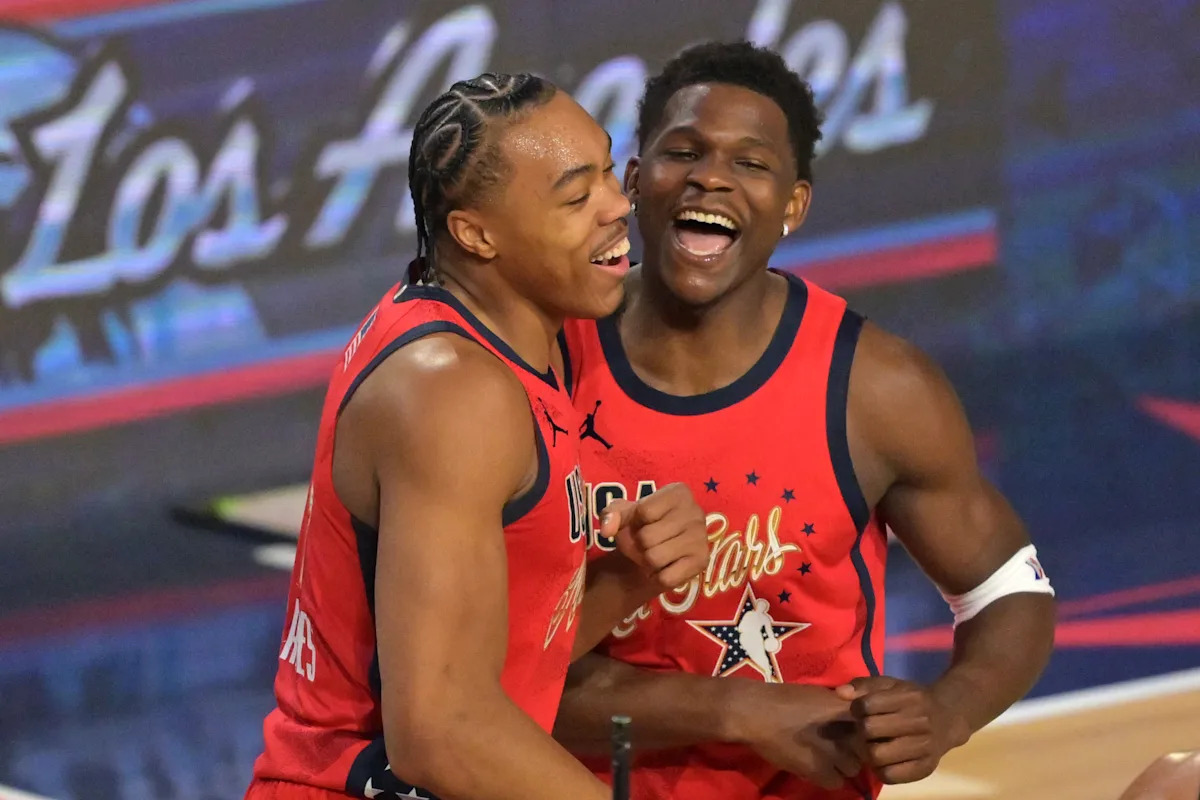
The 2026 NBA All-Star event in Los Angeles successfully transitioned the mid-season showcase from a low-engagement exhibition to a high-stakes tournament, addressing long-standing criticism of its declining competitive integrity. By replacing the traditional game with a three-team round-robin structure (two U.S. teams, one World team), the league engineered an environment defined by urgency and tactical execution. The format, consisting of condensed 12-minute games, inherently increased the value of each possession, compelling a level of defensive commitment and strategic focus previously absent from the event.
Proof of Concept: High-Leverage Moments and Player Buy-In
The tournament’s structural changes were validated by the emergence of high-leverage, postseason-style moments. De’Aron Fox’s buzzer-beating three-pointer to secure a 42-40 victory for Team Stripes and Scottie Barnes’ subsequent overtime walk-off winner served as immediate proof that the format incentivized clutch play over passive scoring. These outcomes demonstrated player buy-in, transforming the event into a legitimate competition where game-winning plays superseded simple statistical accumulation.
Synergy of Market, Media, and Performance
Staging the inaugural tournament in the Los Angeles media market provided a powerful amplifier for the new format’s launch. The synergy was exemplified by Kawhi Leonard, who leveraged his home-court advantage to score a remarkable 31 points in a single 12-minute period, fueling a 48-45 win for Team Stripes. This type of high-density performance from a marquee player in a major market is a premium asset for broadcast partners NBC and Peacock, allowing them to market predictable, high-intensity game segments as appointment viewing.
Broadcast Value and Defensive Intensity
The tournament’s narrative arc—from a thrilling preliminary round to a winner-take-all final—created a cohesive and marketable broadcast product. While the championship game resulted in a lopsided 47-21 victory for Team Stars, the scoreline itself offered a crucial data point: the format successfully motivated elite defensive play. Team Stars holding Team Stripes to just 21 points confirmed that the competitive stakes were sufficient to compel a two-way effort, delivering the authentic, playoff-caliber basketball the league and its audience have long desired from the All-Star event.
Global Format Implications and Future Outlook
The dominance of the two U.S.-based squads, which led to the World team’s exclusion from the final, presents a strategic challenge for the NBA’s global branding. While the all-U.S. final delivered a compelling contest, ensuring the future competitiveness of the international roster will be critical to the long-term viability of the USA vs. World narrative. The league must now analyze roster construction and potentially adjust format weighting to maintain competitive balance and sustain the international rivalry element.
Institutional Validation and Long-Term Viability
The 2026 tournament stands as a significant institutional victory for the NBA, establishing a sustainable and de-risked model for its mid-season tentpole. The multi-game structure provides inherent resilience; even if one matchup is uncompetitive, the overall event retains its value through the remaining high-stakes games. By successfully professionalizing the All-Star break, aligning it with other innovations like the In-Season Tournament, the NBA has secured the commercial and competitive future of a core brand asset, setting a new standard for years to come.
Photo by admomediaoffice on Pixabay.