The Hollywood-Camelot Nexus: Kennedy and Hannah
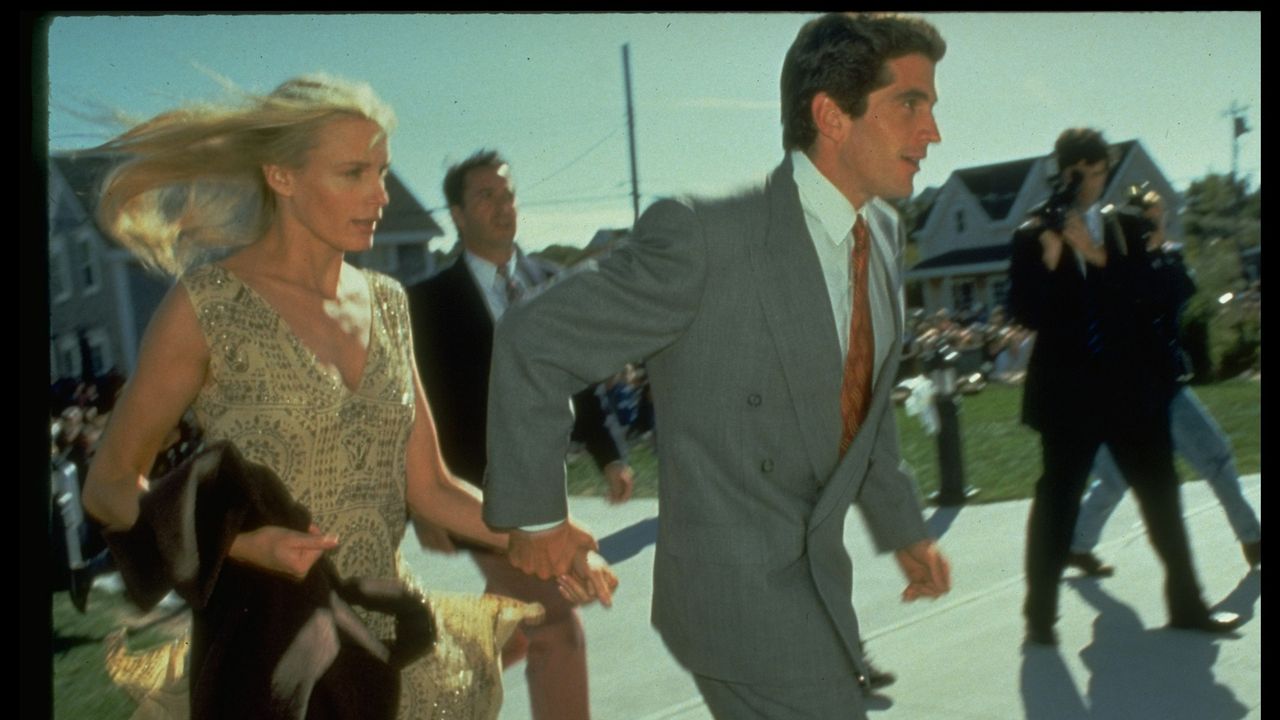
The relationship between John F. Kennedy Jr. and Daryl Hannah in the late 1980s and early 1990s represents a critical case study in the fusion of American political dynasty and the Hollywood celebrity-industrial complex. Their initial encounters, from the elite Caribbean enclave of St. Martin to the 1988 wedding of Lee Radziwill, underscore the closed-circuit nature of their social spheres. This was not merely a romance but a convergence of two powerful brands. Kennedy, then an NYU law student, was fulfilling the institutional expectations of his lineage, while Hannah, post-Blade Runner and pre-Steel Magnolias, was a rising cinematic asset. The symbiosis was potent: his political legacy lent gravitas to her stardom, while her Hollywood glamour amplified his public mystique. This dynamic was supercharged by Kennedy’s 1988 designation as People magazine’s “Sexiest Man Alive,” a market-driven event that commodified his public image and intensified the media’s economic incentive to document his personal life.
Institutional Pressures and Inherent Volatility
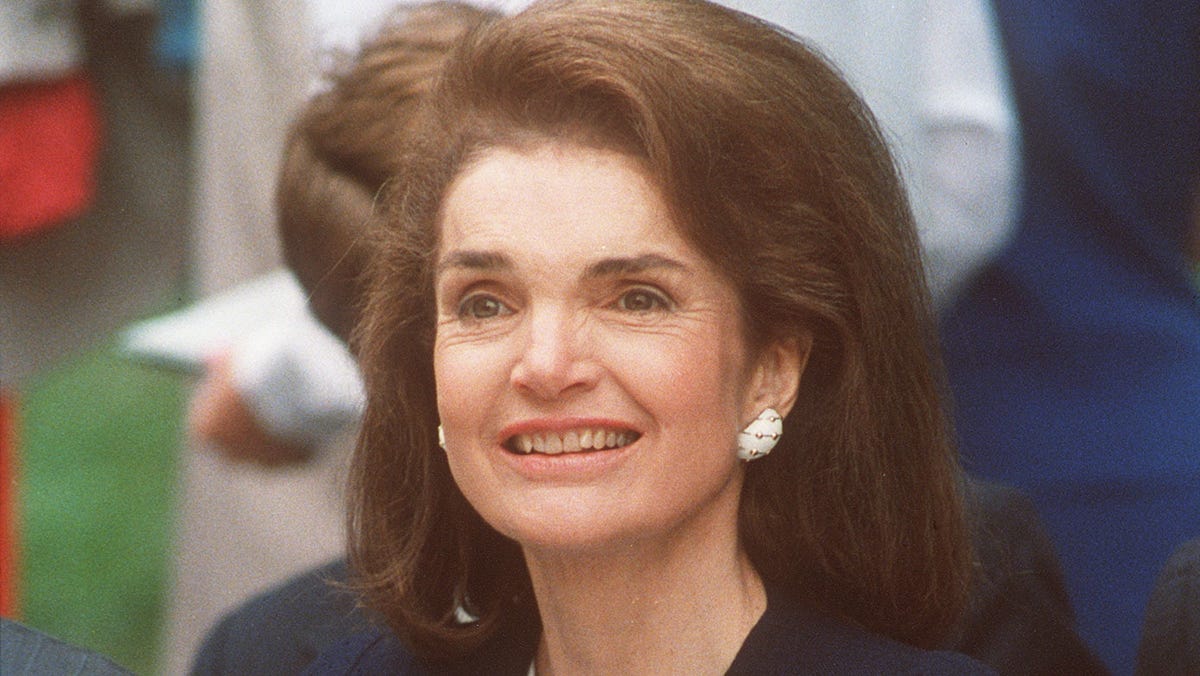
The widely reported “on-again, off-again” nature of the Kennedy-Hannah relationship was a symptom of competing institutional pressures. On one side was the Kennedy family, a political entity with a vested interest in legacy management. Jacqueline Kennedy Onassis’s reported disapproval of Hannah signified an internal gatekeeping mechanism, reflecting a perceived strategic misalignment between a movie star’s public persona and the expected decorum of a potential Kennedy spouse. On the other side were the demands of Hannah’s career and the relentless scrutiny of the tabloid media, which treated their union as a high-value narrative asset. The inherent conflict between maintaining a private partnership and servicing these powerful external stakeholders created a high-friction environment where stability was operationally difficult.
The Strategic Pivot: Enter Carolyn Bessette
The introduction of Carolyn Bessette, a public relations executive for Calvin Klein, marked a strategic pivot in Kennedy’s public and private life. This transition represented a deliberate shift in the type of cultural capital with which he aligned. Bessette embodied the sophisticated, controlled aesthetic of the 1990s New York fashion industry, a stark contrast to Hannah’s more accessible Hollywood fame. Crucially, Bessette’s professional background was in image and brand management. She possessed an insider’s understanding of the media mechanics that had plagued his relationship with Hannah. The initial friction following a tabloid report of Kennedy’s continued contact with Hannah illustrates this dynamic. Bessette’s reported rejection of his conciliatory flowers was not simply a personal reaction but a strategic move to establish boundaries and reclaim agency within a media narrative she could not fully control. Her suggestion that they remain “friends” was a tactical de-escalation, allowing her to reset the terms of engagement away from the public eye.
The Media-Industrial Complex as a Third Actor
The tabloid ecosystem, led by outlets like the New York Post, functioned as a third actor in Kennedy’s relationships, with its own economic imperatives. Headlines such as “Back with Daryl!” were not passive reports but manufactured products designed to capitalize on the public’s enduring fascination with the Kennedy saga. A narrative of volatility and conflict held significantly more commercial value than one of stability, creating a feedback loop where media coverage actively exacerbated the instability it claimed to be documenting. Kennedy’s every action became a data point for this media apparatus, transforming private gestures into public strategic maneuvers. For Bessette, a professional whose currency was discretion, navigating this environment required a fundamentally different, and more guarded, strategy than that of a public-facing actress.
Conclusion: A Maturation of Strategy
The transition from Daryl Hannah to Carolyn Bessette reflects a maturation in John F. Kennedy Jr.’s approach to managing the immense pressures of his legacy. It was a move from a relationship that amplified media chaos to a partnership seemingly designed to contain it. The Kennedy-Hannah-Bessette triangle remains a definitive study of the forces at play when dynastic legacy intersects with modern celebrity culture. It demonstrates the personal costs of being a public commodity and illustrates the strategic calculations required to navigate a world where one’s life is both a personal journey and a marketable public narrative.