Core Metrics and Seeding Profile Deflation Risk
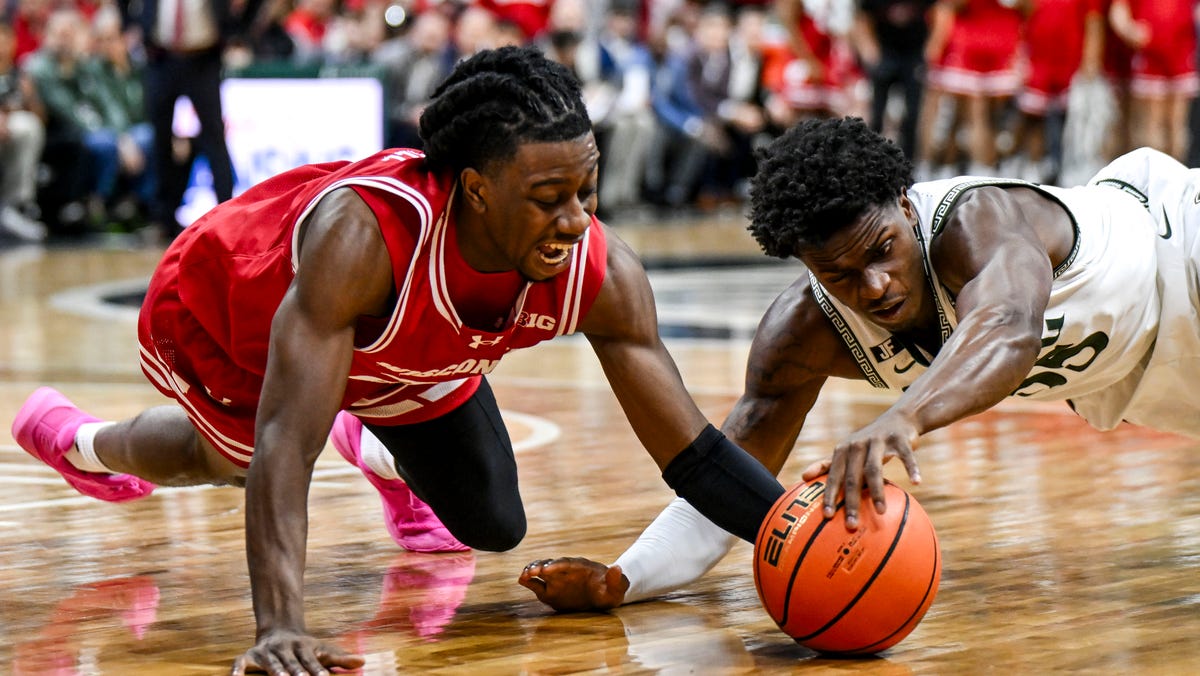
The clash between No. 10 Michigan State (MSU) and unranked Wisconsin (UW) at the Kohl Center is a high-leverage inflection point defined by a statistical disparity between traditional media rankings and advanced profiles. MSU enters securely within the national elite (No. 10 AP/Coaches, No. 11 NET, No. 10 Kenpom). Conversely, UW maintains a strong 17-7 (9-4 Big Ten) record, with efficiency metrics (No. 37 NET, No. 36 Kenpom) indicating competitive strength far exceeding their unranked media status.
For MSU, this road contest presents a critical risk of ‘seeding profile deflation.’ Maintaining top-10 NET status is essential for securing a highly protected seed (likely 2 or 3). A loss to a No. 37 NET opponent, even a Quad 1 road defeat, would penalize their predictive profile disproportionately, potentially exposing them to tougher matchups earlier in March.
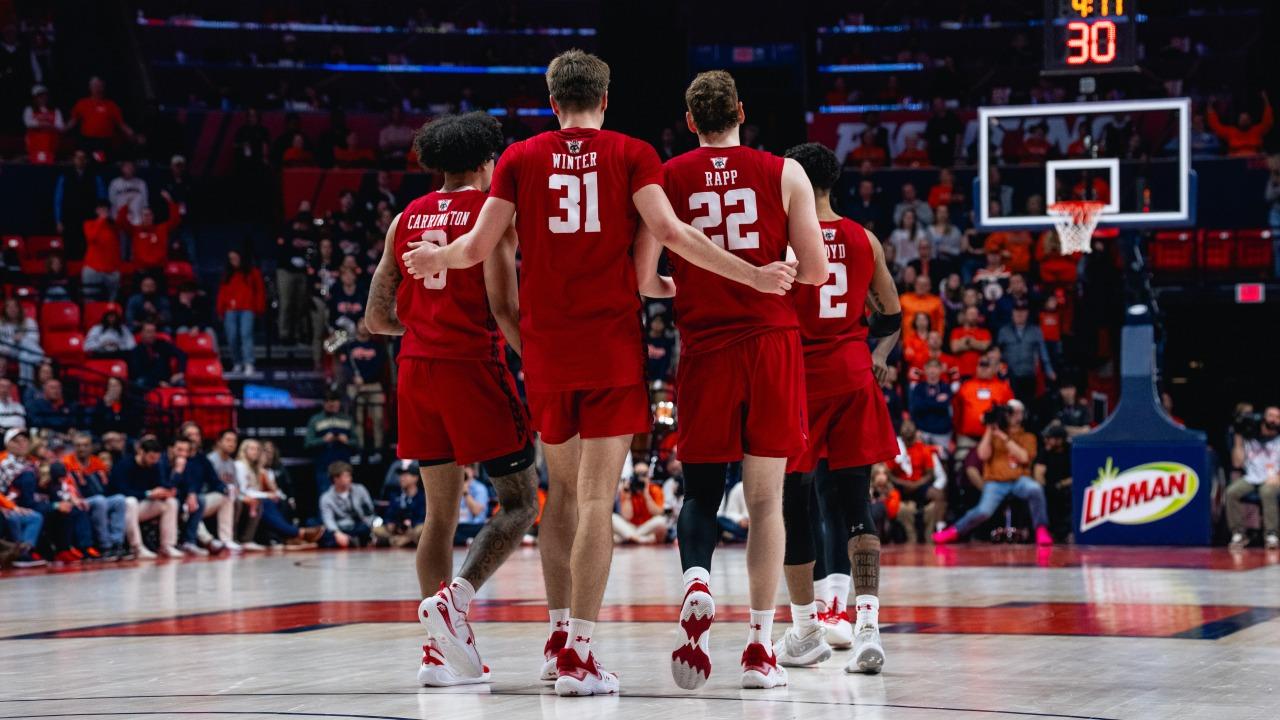
For Wisconsin, this is an opportunity for quantitative leverage maximization. Following their recent upset of No. 8 Illinois, defeating MSU would secure a second consecutive high-value Quad 1 victory. This accretion of success would likely vault them significantly higher in the NET top 30, firmly establishing them as an NCAA tournament lock and mitigating their lower baseline metrics.
Market Efficiency and The 1.5-Point Spread
The betting market’s assessment underscores the true competitive balance, prioritizing objective quantitative risk over subjective media perception. Setting Michigan State as a narrow 1.5-point favorite directly challenges the statistical gap implied by their rankings. This tight spread signifies the market’s efficient synthesis of competing factors: MSU’s quantitative superiority is heavily mitigated by Wisconsin’s proven 12-2 home record, their recent momentum, and the historical difficulty of winning at the Kohl Center.
This financialization of the outcome ensures maximum wagering attention, strategically amplified by the game’s timing during the NBA All-Star break. Major sportsbooks utilize high-leverage events like this Big Ten clash to drive user acquisition, directly linking institutional performance to significant capital acquisition mechanisms for the gambling industry.
Operational Strategy and Institutional Leverage
Wisconsin leverages the operational environment to maximize competitive advantage. The sold-out Kohl Center generates peak gate revenue and creates an intense, pressurized atmosphere. The ‘Stripe Out the Spartans’ coordinated fan strategy is a deliberate psychological effort designed to generate visual and auditory disorientation, a non-quantifiable but critical factor in defeating elite visiting opponents.
The selection of this contest for a national FOX broadcast, featuring established commentators, confirms its high commercial value. Major conference media rights deals are predicated on delivering such high-stakes, nationally relevant content. This maximal exposure is crucial for justifying the Big Ten’s substantial media contracts and ensuring long-term financial stability across its institutional membership.
Coaching Contrast and Conference Trajectory
The matchup pits two distinct models of institutional stability: Tom Izzo’s 31-year, nationally elite tenure (757-306) against Greg Gard’s successful 11-year transition model (230-124), built on maximizing regional talent and tactical resilience. For Gard, a win validates his program’s upward trajectory against a top-10 benchmark. For Izzo, the game is a necessary defense of his program’s elite competitive standard, where road losses to lower-ranked conference foes are considered strategic failures.
The result carries disproportionate weight in the tightly contested Big Ten race. An MSU victory creates crucial separation for the regular-season title race. Should UW prevail, they would move within a half-game of MSU in the loss column, creating a three- or four-way logjam at the top of the standings and dramatically escalating the leverage of every remaining conference game. Wisconsin’s proven ability to manage high pressure, evidenced by erasing a 12-point deficit against Illinois, suggests the outcome will hinge on late-game execution and momentum control in the hostile, sold-out environment.