Blue Jays and Astros Complete Major League Outfield Swap
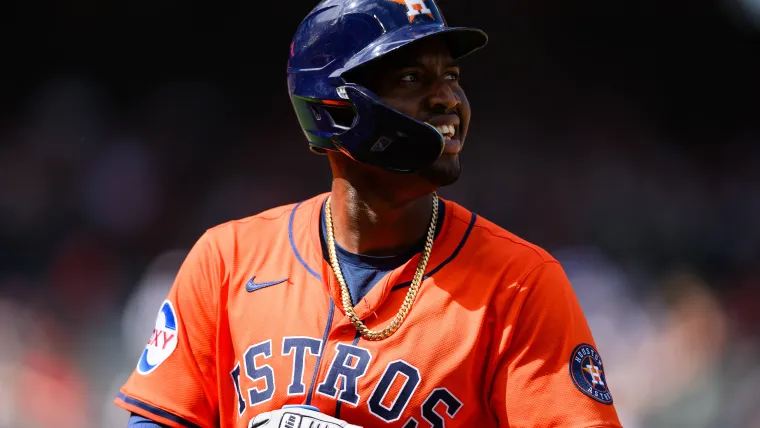
The Toronto Blue Jays have finalized a trade with the Houston Astros to bring outfielder Jesus Sanchez to Canada. In a direct exchange of talent, the Blue Jays sent outfielder Joey Loperfido to the Houston organization. This move signals a deliberate shift in the composition of both teams as they refine their active rosters during the final stages of the offseason. The announcement was confirmed by both franchises and initially reported by industry insiders.
The transaction involves two players currently positioned on their respective 40-man rosters. This specific administrative status is vital because it means both athletes occupy protected spots that prevent them from being easily claimed by other teams. Moving players of this status requires a calculated approach to roster management, as it forces teams to immediately account for the new arrivals within their established personnel limits. Both Toronto and Houston have confirmed that the deal is complete, signaling that the administrative requirements of the trade have been satisfied.
Statistical Context and Player Profile for Jesus Sanchez
Jesus Sanchez arrives in Toronto following a period of production that front offices often analyze for underlying potential. His recent performance metrics include a batting line of .199/.269/.342, figures that represent his batting average, on-base percentage, and slugging percentage respectively. While these raw numbers sit below league averages, the decision by the Blue Jays to acquire him suggests an internal evaluation of his physical tools or defensive capabilities. Front offices frequently look beyond the surface level of a slash line to determine if a change in environment or coaching can unlock better results.
For the Toronto hitting staff, the challenge involves identifying the causes behind the .199 batting average. The low on-base percentage of .269 indicates a need for improved plate discipline or a different approach to pitch selection. However, the slugging percentage shows some level of power production that the Blue Jays may believe can be optimized. By integrating Sanchez into their system, the Blue Jays are betting on their ability to refine his contact rate and leverage his existing major league experience.
Strategic Roster Adjustments in Houston and Toronto
The departure of Joey Loperfido from the Blue Jays organization serves as the primary cost of this acquisition. Loperfido, also an outfielder, represents a different set of attributes that the Astros front office identified as a priority for their system. This type of one-for-one player swap is a common method for organizations to address specific positional surpluses or deficits without dipping into their prospect pools. It allows both clubs to maintain their current competitive window while attempting to find a better fit for the individuals involved.
The logic behind such a trade often centers on the specific needs of the daily lineup and the defensive configuration of the outfield. In Houston, the arrival of Loperfido provides a fresh option for a roster that must navigate a long season of injuries and performance fluctuations. For Toronto, the acquisition of Sanchez adds a specific type of athlete to a mix that the front office has been actively tinkering with throughout the winter months. These moves are rarely about a single player and are instead about how the entire group functions together on the field.
Administrative Mechanics of the 40-Man Roster
Because both Sanchez and Loperfido are on 40-man rosters, the trade triggers several automatic administrative processes. When a player is traded, their contract and service time obligations transfer to the new organization. The teams must also manage the logistics of relocating the players to their new spring training or regular-season homes. This involves a rapid transition for the athletes, who must pass physical examinations before the trade is officially considered final and binding by the league office.
The 40-man roster is the primary tool for protecting players from the Rule 5 draft and managing the pipeline between the minor leagues and the majors. By trading one 40-man player for another, neither Toronto nor Houston had to designate a different player for assignment to make room. This neutrality in roster spots makes the trade an efficient way to swap talent without risking the loss of other depth players in the organization. It reflects a precise method of asset management used by modern front offices to maintain organizational depth.
Integration Into the Toronto Blue Jays System
As Jesus Sanchez joins the Blue Jays, he enters an environment that has been shaped by recent coaching changes and a specific philosophy regarding outfield defense. The Blue Jays have prioritized versatile players who can contribute across multiple positions in the grass. Sanchez will be expected to compete for playing time within a rotation that requires high levels of consistency. His success in Toronto will likely be measured by his ability to raise his on-base percentage and provide reliable defense in high-leverage situations.
The timing of this move, occurring late in the offseason, indicates that the Blue Jays were still looking for specific upgrades even after their initial flurry of activity. It shows a commitment to the idea that a roster is never truly finished and that small adjustments can have significant cumulative effects over a 162-game schedule. The front office’s willingness to part with Loperfido suggests they see a higher ceiling or a more immediate role for Sanchez in their current configuration.
The Role of Media and Official Announcements
The trade was first brought to public attention by established sports media outlets, highlighting the role of journalists in the modern sports landscape. Reliable reporting from sources like ESPN and specialized services like RotoWire provides the first layer of transparency for fans and analysts. Following these reports, the official announcements from the Blue Jays and Astros organizations served as the definitive confirmation. This two-step process of information dissemination is standard in the industry, ensuring that the facts of the trade are verified before they are treated as official league business.
In the current era of sports, the speed of these announcements is matched by the depth of statistical analysis that follows. Analysts and fans immediately begin dissecting the trade based on the available data, such as the .199 batting average mentioned in the initial reports. This immediate scrutiny places pressure on front offices to justify their moves through on-field results. The success of the Sanchez acquisition will ultimately be judged by how his production in Toronto compares to his previous stints and how Loperfido performs in the Houston system.
Long-Term Implications for Team Architecture
While a single trade for an outfielder may seem like a minor transaction, it contributes to the broader architecture of the team. Each move sets a precedent for how the organization values certain traits over others. In this case, Toronto’s acquisition of Sanchez points toward an interest in a specific profile of player that they believe is currently undervalued. By identifying these opportunities, the Blue Jays aim to gain a competitive edge in a highly contested division.
For the players, this trade represents a significant career milestone that changes their trajectory within the league. Moving between two contending organizations like the Blue Jays and the Astros requires a high degree of professional adaptability. Both Sanchez and Loperfido must now learn new signals, work with new coaching staffs, and build chemistry with new teammates. This human element of the trade is often overlooked but is essential to the successful integration of any new acquisition into a winning culture.