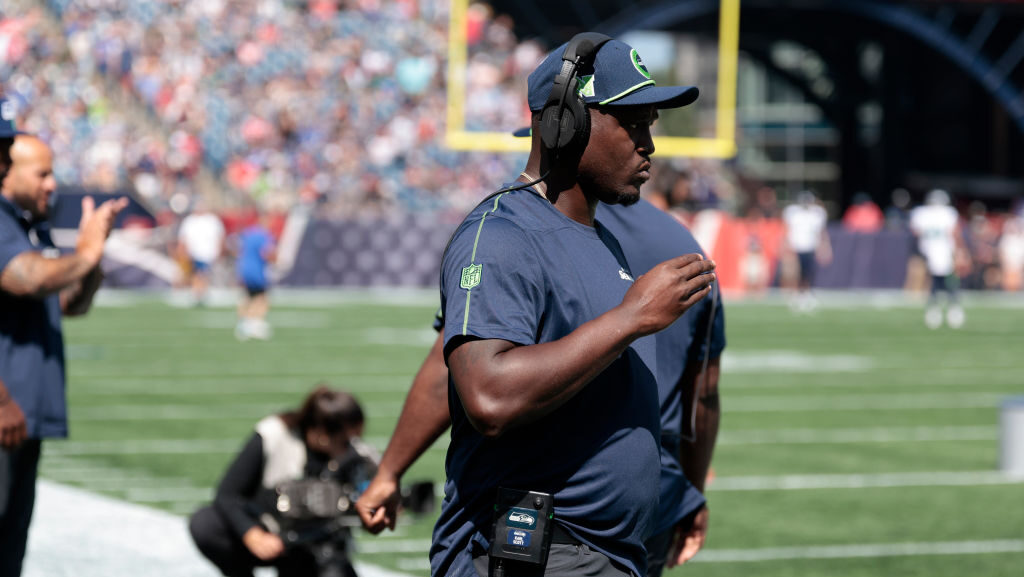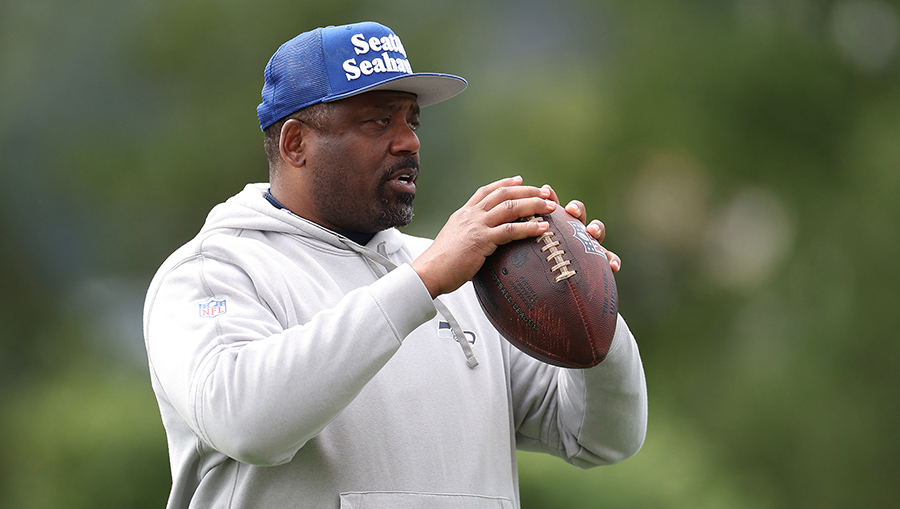
The Arizona Cardinals have officially entered the recruitment phase for their open defensive coordinator position by interviewing Seattle Seahawks defensive pass game coordinator Karl Scott. Reports surfacing on February 12, 2026, indicate that Scott is a primary candidate for the vacancy as the Cardinals look to solidify their leadership on the defensive side of the ball. This move signifies a targeted effort to evaluate talent within the NFC West division where teams often seek tactical familiarity when making high-level staff appointments.
Karl Scott has spent the recent seasons overseeing the defensive backs and the passing game strategy for the Seattle organization. His elevation to a candidate for a coordinator role comes after several years of increasing visibility within professional coaching circles. Sources indicate that Scott has been a person of interest for multiple defensive coordinator openings over the last two years, suggesting a steady rise in his professional standing among league executives and head coaches.
The role of a defensive pass game coordinator is increasingly vital in a league dominated by sophisticated aerial offenses. This specific position requires a deep understanding of secondary alignments, coverage rotations, and the complex interactions between the pass rush and the defensive backfield. By interviewing Scott, the Cardinals are looking into a coach who has spent his tenure managing these exact components in a division known for its high-powered offensive systems.
Reports also confirm that Scott is not the only member of the Seattle coaching staff drawing interest from other organizations. At least two Seahawks assistant coaches are currently identified as candidates for coordinator jobs elsewhere in the league. This trend often follows a period where a specific unit shows consistency or statistical excellence, prompting other teams to attempt to replicate that success by hiring from the same coaching tree.
The timing of these interviews coincides with the standard post-season evaluation period where organizations look to fill gaps in their leadership hierarchies. February serves as a critical window for professional football teams to secure their coaching rosters before the scouting and free agency periods begin. For the Cardinals, finding a coordinator who can implement a cohesive defensive vision is a priority for their long-term competitive path.
It is important to note that an interview represents a preliminary stage in the professional search process and does not equate to a formal job offer. The Cardinals are expected to vet multiple candidates as part of a comprehensive search intended to identify the best fit for their personnel and strategic goals. These meetings allow the front office to assess a coach’s ability to lead a large group of athletes and manage a complex playbook under game-day pressure.
For the Seattle Seahawks, the potential departure of Scott and other assistants represents a common challenge faced by successful organizations. Maintaining staff continuity is difficult when lower-level coaches demonstrate the proficiency required for higher-ranking positions. The organization must now balance their current operations while preparing for the possibility of filling these roles through internal promotions or external searches.
The interest in Scott specifically highlights his reputation for developing talent within the secondary. His work with defensive backs in Seattle has been cited as a reason for his recurring status as a candidate for coordinator positions. While the specific outcomes of these interviews remain pending, the attention from a divisional rival like Arizona adds a layer of intrigue to the standard coaching cycle.
Professional coaching searches in the modern era are governed by strict league regulations regarding the interview process. Teams must adhere to protocols that ensure a diverse and thorough pool of candidates is considered for high-ranking positions. These regulations are designed to provide opportunities for coaches who have proven their technical expertise at the position-group level to move into broader leadership roles.
As of mid-February, no final decision has been announced by either organization regarding Scott’s status. The process remains fluid as the Cardinals continue their search and the Seahawks prepare for potential changes to their defensive room. The industry-wide attention on these staff movements reflects the high stakes involved in selecting the right individuals to manage the defensive strategies of professional franchises.
Ultimately, the movement of coaches between teams in the same division often leads to a transfer of tactical knowledge and operational philosophy. Should Scott move to Arizona, he would bring a detailed understanding of the Seahawks’ defensive preferences to a team that faces them twice a year. This possibility is a significant factor in the strategic considerations of any organization looking to hire from within their own competitive circle.