

Winter Olympics 2026: France Secures Ice Dance Gold, Jordan Stolz Claims First Gold Medal Amid High Competition
The 2026 Winter Olympics, a significant event on the global sporting calendar, witnessed critical medal determinations on February 11, 2026. These updates included a compelling result in figure skating ice dance and a landmark gold medal achievement by American athlete Jordan Stolz. Reports from the global sporting spectacle underscored the relentless pursuit of excellence that defines Olympic competition, showcasing the culmination of years of intense training and national sporting development.
In the highly artistic and technically demanding discipline of figure skating ice dance, France claimed the prestigious gold medal. This victory represented a notable performance, placing them ahead of Team USA, which secured the silver. The outcome in such a nuanced sport often hinges on the intricate details of a performance, including the seamless integration of technical elements with interpretive artistry. For both nations, the medals are not merely individual accolades but powerful symbols of their respective capabilities on the international stage.
Competitive Edge in Ice Dance: The Role of National Programs
The competitive landscape of Olympic ice dance is characterized by intense rivalries and performances judged on a precise blend of athleticism and aesthetic appeal. The ability of the French pair to secure gold, particularly by edging out a formidable Team USA, speaks to the depth of their national program and the successful execution of their competitive strategy. This success reflects extensive investment in athlete development, from grassroots identification to elite-level coaching and performance science.
National sports organizations, such as the governing bodies for figure skating in France and the United States, operate complex systems designed to nurture talent. These systems encompass financial support, access to cutting-edge training facilities, and structured competitive pathways that prepare athletes for the unique pressures of the Olympics. An Olympic medal, whether gold or silver, provides validation for these long-term national efforts and often stimulates increased public interest and participation in the sport.
For Team USA, earning a silver medal in ice dance is a significant accomplishment, highlighting consistent high performance. While the ultimate objective is gold, the silver medal confirms the athletes’ standing among the world’s elite and their ability to deliver under the immense global spotlight. Such a result contributes substantially to the overall medal standing of the United States, reinforcing its position in winter sports and inspiring future generations of American figure skaters.
Jordan Stolz’s Ascent: A Speedskating Gold of Note
Simultaneously, American speedskater Jordan Stolz achieved a monumental career milestone by winning his first Olympic gold medal. This victory, a definitive moment for the athlete and his nation, was accompanied by a distinctive media characterization. One specific report described his win as occurring “in the weirdest way possible.” However, the available information did not elaborate on the specific events or circumstances that led to this descriptive account, thus preventing any detailed analysis of the reported unusualness.
Stolz’s gold medal is a testament to the rigorous demands of speedskating, a sport that requires an extraordinary combination of raw power, precise technique, and remarkable endurance. Athletes in this discipline spend years refining their stride, mastering aerodynamic positioning, and building the physical and mental resilience necessary for Olympic-level competition. His success underscores the efficacy of his personal training regimen and the support networks enabling him to excel at the highest echelons of the sport.
The achievement of a first Olympic gold medal is profoundly impactful for an athlete. It transforms their public profile, often establishing them as a national hero and opening doors to new opportunities, including sponsorships and a broader platform for advocacy. This individual triumph also shines a spotlight on the American speedskating program, showcasing the results of strategic development and the commitment to fostering world-class talent capable of competing successfully against international rivals.
Furthermore, the reports referencing Stolz’s origins from a particular American state, famously described as a region that “churns out beer, cheese—and the fastest speedskater alive,” illustrates a powerful connection between local identity and national athletic achievement. This cultural linkage is common in high-performance sports, where regional communities often become synonymous with specific athletic aptitudes. Such local environments frequently provide dedicated community support, specialized training grounds, and a continuous pipeline of talent, contributing significantly to national sporting prowess.
The Olympic Spectacle: Beyond the Competition
The events of February 11, 2026, unfold within the expansive context of the Winter Olympics, an event that extends far beyond the competitive arena. These Games serve as a critical international forum, uniting diverse nations and cultures through the universal language of sport. The pursuit of medals, while central to the athletic contests, also symbolizes national pride, technological advancement in sports science, and the showcasing of diverse human talents.
The logistical and administrative undertakings required to stage an event of this magnitude are immense. They involve intricate coordination among the International Olympic Committee, numerous national Olympic committees, and various international sports federations. These entities collectively ensure adherence to sporting regulations, manage complex scheduling, and provide a fair and equitable environment for competition, upholding the fundamental principles of the Olympic movement.
Media organizations play an indispensable role in translating the intense drama and human interest of the Olympics for a vast global audience. Through comprehensive reporting, these outlets not only deliver immediate results but also construct compelling narratives around athlete journeys, national efforts, and the broader significance of the Games. The initial characterization of Stolz’s win, despite lacking explicit details, immediately became part of the unfolding media narrative, highlighting the power of initial reports in shaping public perception.
These Olympic achievements resonate deeply within national consciousness, fostering collective pride and a sense of unity. They reinforce national identity and celebrate shared moments of dedication and triumph. The successes of athletes like Jordan Stolz and the French ice dance pair are not isolated incidents but integrated chapters in the ongoing history of the Olympic Games, reflecting humanity’s continuous striving for peak performance and athletic glory.
The global impact of the Winter Olympics extends beyond mere sports results, influencing cultural exchange, tourism, and even diplomatic relations. Each medal won, each record broken, and each display of sportsmanship contributes to a larger narrative of international cooperation and peaceful competition. The outcomes reported on February 11, 2026, exemplify these enduring qualities, further enriching the complex and multifaceted legacy of the Olympic movement. These moments underscore the universal appeal of human athletic endeavor and the profound significance placed on achieving excellence at the highest level of international competition.
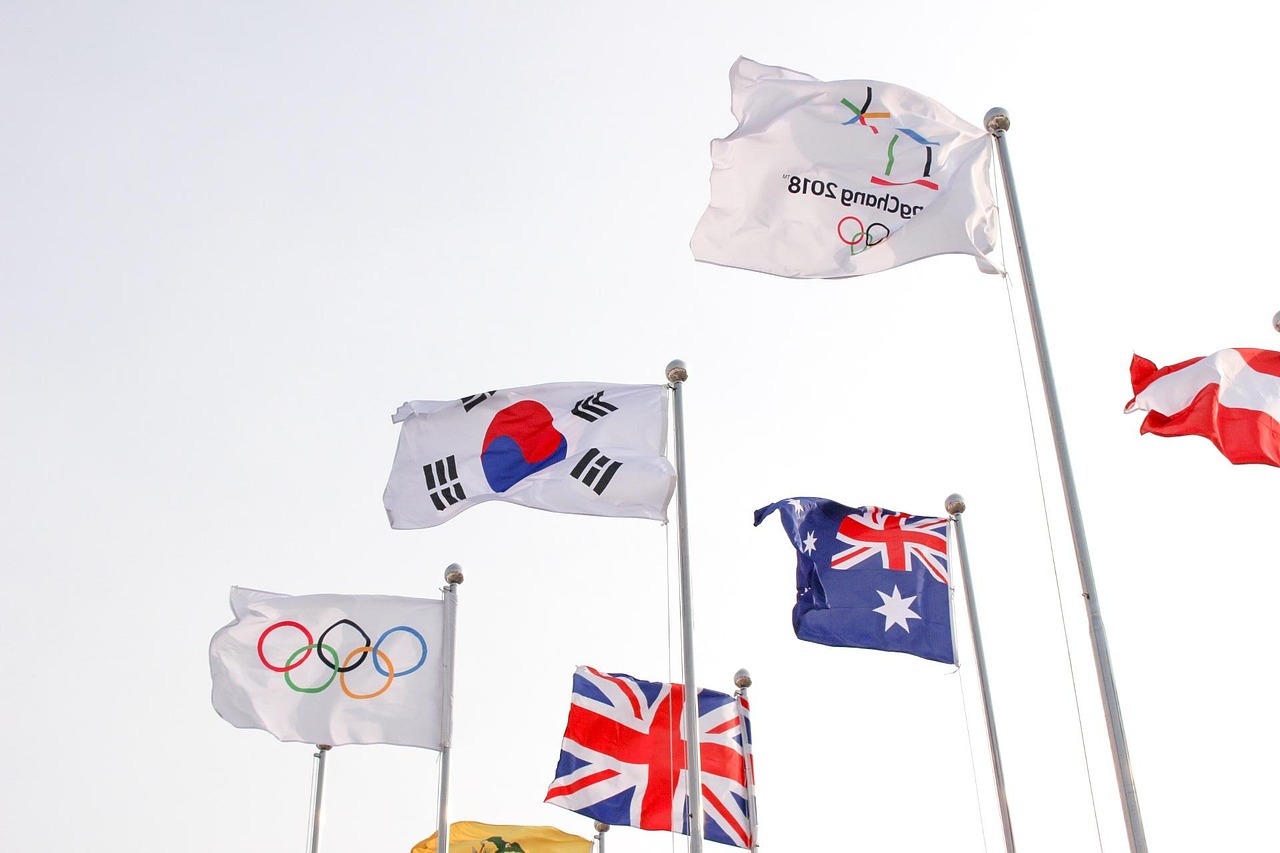
Photo by EarthTrip on Pixabay.