Institutional Maturation of Namibian Cricket
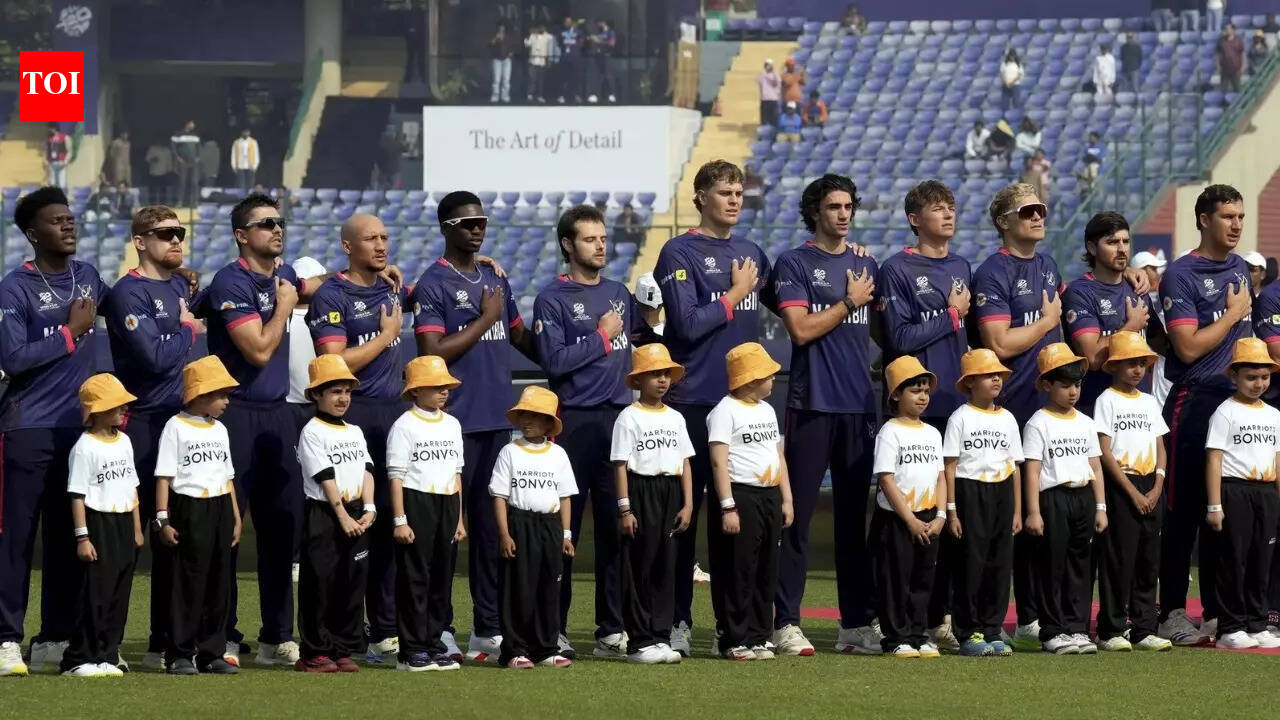
The participation of Namibia in the 2026 T20 World Cup represents a significant milestone in the structural development of the sport within the African region. After an 18-year absence from the global stage, the national program has achieved a period of unprecedented stability, marking its fourth consecutive qualification for the premier short-format tournament.
This transition from a dormant entity to a consistent contender reflects a deliberate shift in administrative policy and high-performance strategy. The integration of homegrown talent is no longer a secondary objective but the primary driver of the nation’s competitive framework, as evidenced by the internal talent pathways now yielding top-tier international athletes.
Mechanical Analysis and the Mystery Spinner Phenomenon
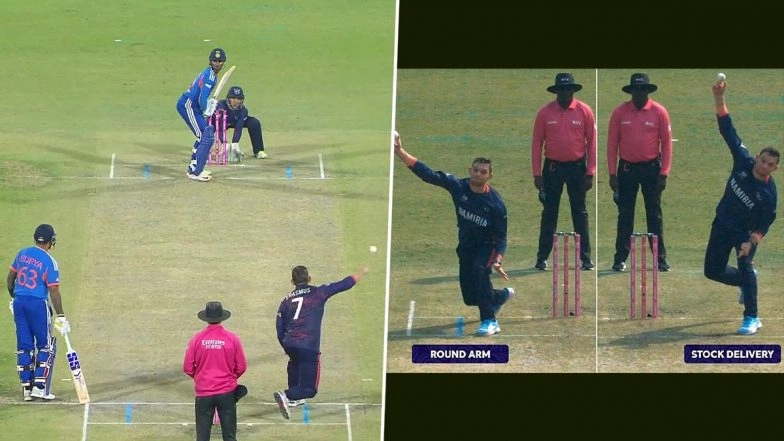
During the high-profile fixture against India, the technical execution of Namibia captain Gerhard Erasmus became a focal point of digital and professional discourse. Observers noted significant biomechanical similarities between his bowling action and that of the Pakistan-affiliated mystery spinner, Usman Tariq, triggering a broader discussion on the convergence of bowling styles in T20 cricket.
The concept of a mystery spinner within the current technical landscape involves specific delivery angles and deceptive release points that challenge established batting orthodoxies. While social media comparisons often lack the rigor of formal biometric analysis, they underscore the increasing visibility of Namibian tactical innovations on the global stage.
From a structural perspective, the adoption of specialized bowling actions suggests a sophisticated level of technical coaching within the Namibian camp. The ability of a captain to implement such a specialized skill set indicates a high level of strategic autonomy and an investment in diverse tactical assets intended to disrupt elite-level opponents.
Logistical Frameworks and High-Performance Preparation
The preparation phase for the match against India was reportedly impacted by administrative constraints regarding the use of stadium infrastructure. Namibia’s disappointment regarding the inability to conduct training sessions under floodlights highlights the critical nature of environmental acclimatization in professional sports.
In the context of international tournament management, training schedules are governed by rigid logistical protocols that must balance the requirements of multiple competing entities. For associate nations, access to specific conditions such as artificial lighting is essential for calibrating visual tracking and fielding reflexes ahead of night-time fixtures.
The absence of these specialized sessions represents more than a scheduling conflict; it is a variable that can affect a team’s operational readiness in a high-pressure environment. Such institutional friction points often serve as catalysts for discussions regarding equitable facility distribution among all participating members of an international governing body.
Strategic Positioning and Homegrown Talent Pathways
The statements made by all-rounder Jan Nicol Loftie-Eaton prior to the 2026 tournament reflect a resolute institutional mindset that transcends mere participation. The assertion that the team is not present simply to fill a slot in the bracket indicates a shift toward a result-oriented high-performance culture.
This cultural evolution is supported by a policy of prioritizing local development over short-term external acquisitions, fostering a sense of national sporting identity. The success of this homegrown model provides a case study for other developing cricket nations attempting to navigate the transition from amateur status to professional consistency.
By maintaining a presence in four consecutive world tournaments, Namibia has established a cycle of continuous improvement that feeds back into its domestic infrastructure. This continuity is essential for securing long-term commercial partnerships and maintaining the interest of stakeholders who prioritize stability and growth in emerging markets.
Structural Significance of the India-Namibia Encounter
The fixture against India serves as a critical benchmark for the Namibian program, providing a direct measurement of their progress against one of the sport’s primary economic and competitive powers. Such encounters are vital for the visibility of associate nations, as they offer a global platform to demonstrate tactical maturity and individual skill.
From a media and communications standpoint, the attention garnered by Erasmus’s bowling action illustrates how individual performances can elevate a team’s brand in the digital age. This increased scrutiny, while often speculative, contributes to the overall narrative of a team that is no longer content with being an outsider in the international hierarchy.
Ultimately, the performance of the Namibian squad in 2026 is a byproduct of long-term institutional planning and a commitment to high-performance standards. The challenges faced, from training logistics to technical scrutiny, are indicative of a program that has successfully integrated itself into the upper echelons of international competition.