The Institutional Milestone of the Silver Medal
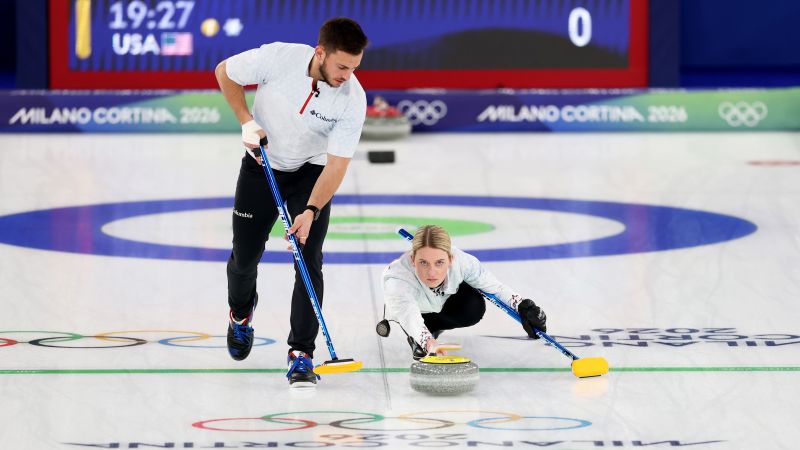
The Olympic mixed doubles curling final in Cortina d’Ampezzo has established a new precedent for the United States within the international curling hierarchy. Cory Thiesse and Korey Dropkin reached the gold medal match for the first time in American history, ultimately securing the silver medal against a formidable Swedish pairing.
This achievement represents a structural shift for USA Curling, as it marks the highest finish for the nation in this specific discipline since its inclusion in the Olympic program. The performance highlights the efficacy of the current developmental pathways and high-performance training regimens established for mixed doubles athletes.
While the Swedish siblings claimed the gold medal, the silver for Thiesse and Dropkin serves as a validation of long-term administrative investments in specialized curling pairs. The result signifies that the American program is now capable of competing at the highest tier of international technical execution.
The Historic Achievement of Cory Thiesse
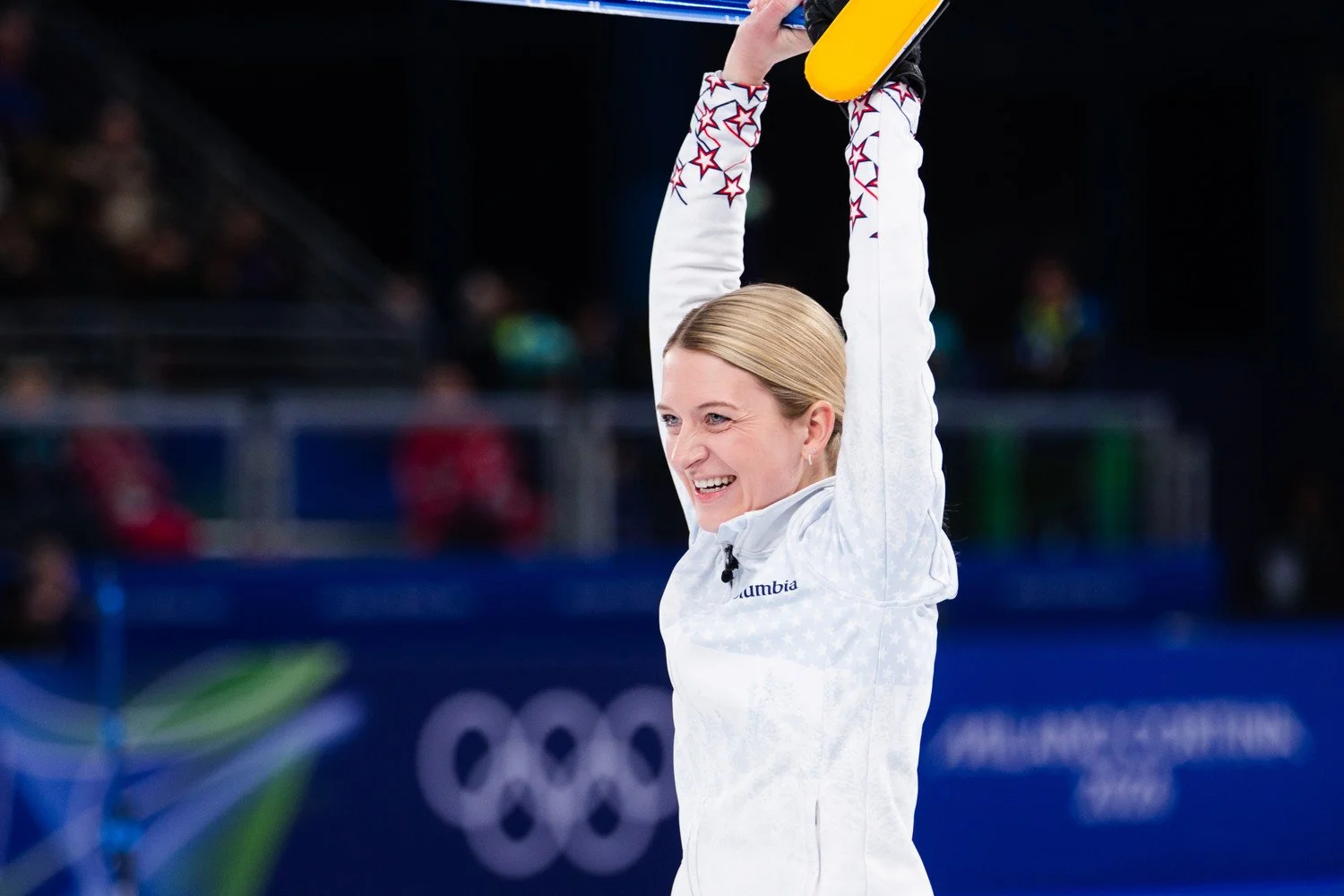
Cory Thiesse has achieved a definitive milestone by becoming the first American woman to win an Olympic medal in the sport of curling. This distinction carries significant institutional weight, as it provides a new benchmark for gender-specific participation and success within the sport’s domestic framework.
The administrative implications of this medal are substantial, as individual achievements of this magnitude often dictate the allocation of future funding and resources. By securing a podium finish, Thiesse has altered the historical trajectory of female representation in American winter sports disciplines.
The recognition of Thiesse as the first American woman to reach this level of success provides a structural anchor for recruitment and promotional efforts within the United States. This breakthrough is expected to influence the strategic focus of curling organizations regarding the development of female athletes for elite competition.
The Swedish Performance and Gold Medal Dynamics
The gold medal victory by the Swedish siblings underscores the importance of interpersonal chemistry and technical synergy within the mixed doubles format. The siblings displayed a high degree of coordination and emotional composure during the final ends of the competition.
Their victory reinforces Sweden’s status as a dominant force in the international curling landscape, supported by a robust national infrastructure for the sport. The physical expressions of success from the brother and sister at the conclusion of the match highlight the intense psychological demands of the gold medal environment.
From an institutional perspective, the Swedish success demonstrates the advantages of fostering long-term athletic partnerships that can withstand the pressure of the Olympic final. The administrative support provided to these athletes has resulted in a gold medal that maintains Sweden’s competitive edge on the world stage.
The Mixed Doubles Curling Revolution
The success of the American duo is being described as the start of a curling revolution, suggesting a shift in how the sport is perceived and managed in the United States. This revolution is characterized by increased public visibility and a professionalization of the training environment for mixed doubles.
Strategically, this shift necessitates a reevaluation of how resources are distributed between traditional team curling and the newer mixed doubles discipline. The silver medal serves as proof of concept for the mixed doubles format, which requires a distinct set of skills and strategies compared to the four-person game.
The institutionalization of mixed doubles as a premier Olympic event has forced national federations to adapt their scouting and development protocols. The performance of Dropkin and Thiesse acts as a catalyst for these administrative changes, potentially leading to a more integrated approach to the sport’s growth.
Technical and Policy Implications of the Final
The final match in Cortina d’Ampezzo provided a clear demonstration of the technical precision required in modern Olympic curling. Every delivery and tactical decision within the gold medal match carries heavy consequences for the final outcome and the resulting national ranking.
Policy decisions made by sports governing bodies regarding the qualification process and athlete selection are directly impacted by these results. The success of Thiesse and Dropkin will likely inform the criteria for future Olympic cycles, prioritizing athletes who demonstrate consistent performance in high-pressure international finals.
The administrative focus will now likely turn to maintaining this momentum through the next quadrennial period. The goal of such policies is to ensure that the silver medal in Italy is not an isolated event but rather the foundation for a sustainable high-performance culture.
Media Context and Global Market Positioning
The visibility of the mixed doubles final contributes to the sport’s global market positioning, particularly in regions where curling is an emerging interest. Reaching the gold medal match provides a narrative of progression that is valuable for media broadcasters and corporate sponsors.
The contrast between the American silver and the Swedish gold offers a compelling look at the different developmental philosophies employed by major curling nations. Media coverage of these events plays a critical role in the institutional health of the sport by attracting the interest necessary for continued investment.
The performance of Dropkin and Thiesse provides the necessary substance for a broader discussion about the sport’s trajectory and its place within the Olympic movement. This analytical layer is essential for understanding the long-term impact of the silver medal win on the curling ecosystem.