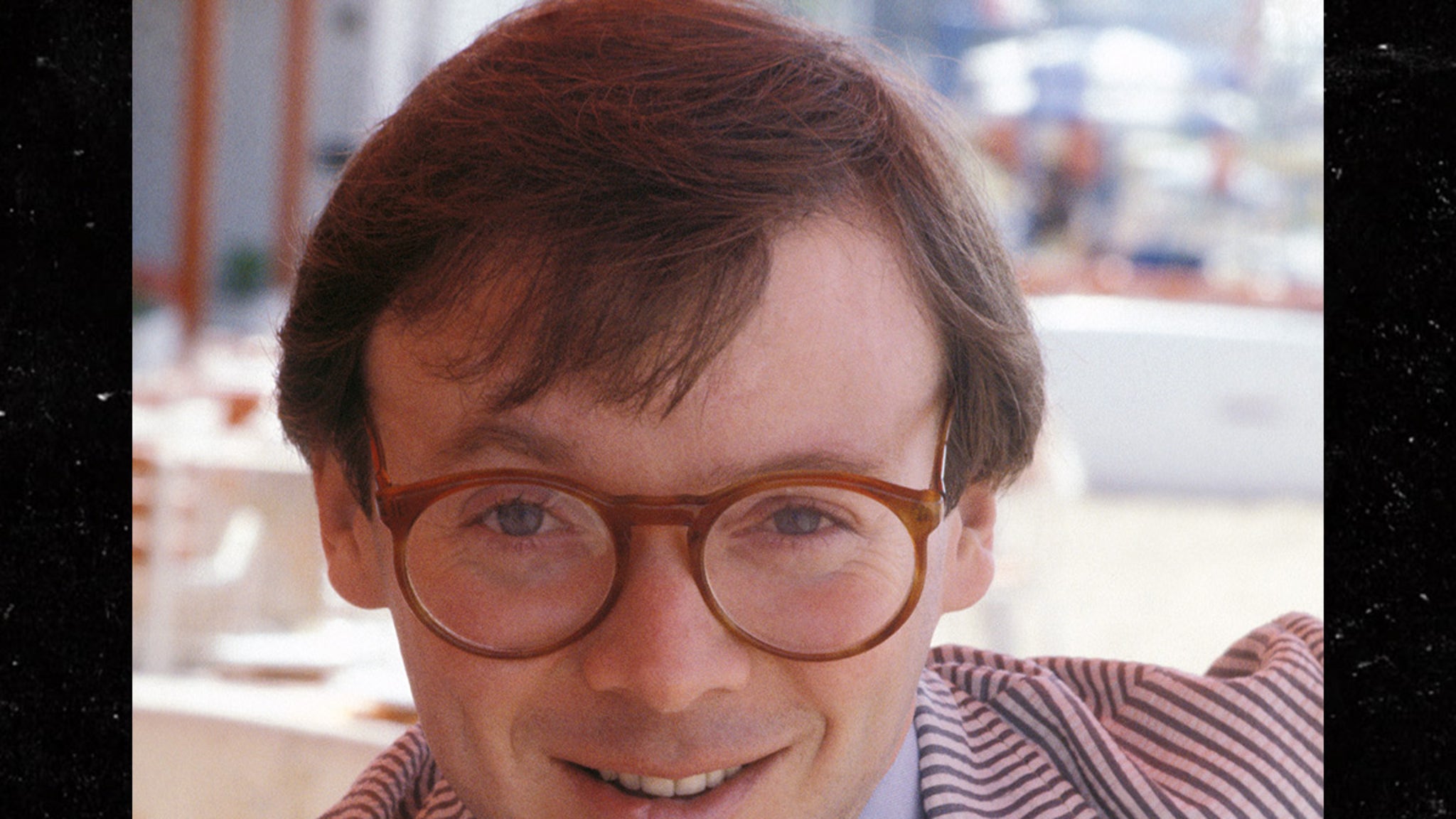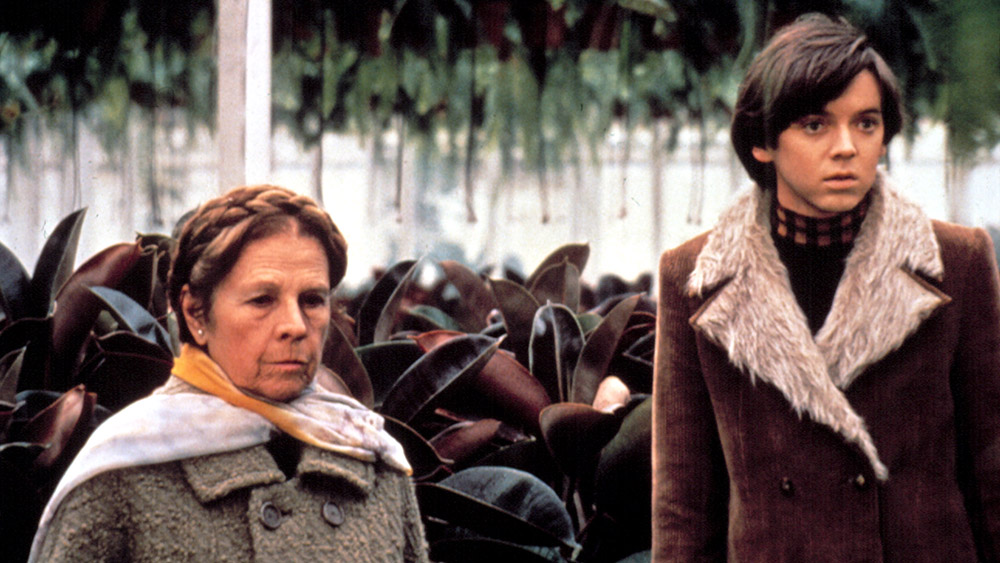
Actor Bud Cort, widely recognized for his seminal performance in the 1971 film “Harold and Maude,” has passed away at the age of 77. The confirmation of his death emerged following a period of illness, with reports indicating he died in Connecticut.
Cort maintained an extensive professional history, accumulating numerous credits across both cinematic features and television productions throughout his career. However, his portrayal of Harold in the Hal Ashby-directed feature remains the most indelible marker in his public artistic profile.
The Context of Cult Status and Artistic Longevity
The designation of a film as a “cult classic” speaks to a particular dynamic within the broader motion picture industry structure. Such categorization implies that while a work may not have achieved monolithic box office dominance upon its initial release, it cultivated a dedicated, passionate, and enduring audience base over time.
For actors associated with these specific cultural touchstones, their professional trajectory is often characterized by periods of high visibility linked directly to that foundational work, interspersed with other varied roles reflecting the evolving demands of the entertainment production ecosystem. Cort’s tenure, spanning decades of film and television work, illustrates this pattern of sustained professional contribution outside the glare of constant mainstream attention.
Institutional Framework of Artistic Recognition
In the institutional structure of film criticism and historical documentation, performances that define niche movements or unconventional narratives often receive specialized attention long after initial reviews have faded. The performance in a project like “Harold and Maude” acquires cultural capital that transcends typical commercial metrics.
This cultural capital influences how industry archives, film schools, and retrospective programming treat the artist’s entire body of work. While the immediate factual report concerns the passing of the individual, the lasting institutional memory is tied to the specific narrative he personified—a narrative that continues to be studied through the lens of directorial vision and thematic execution within American cinema history.
The Significance of Career Definition
For an actor whose career spanned many years and encompassed a variety of roles, the association with a singular, defining performance presents unique considerations regarding professional branding and audience expectation. The role of Harold necessitated a specific type of nuanced characterization that is highly memorable.
The entertainment sector, particularly in talent representation and casting, often manages the perception that an actor is inextricably linked to their most famous character. This dynamic shapes the subsequent opportunities presented to the artist, often balancing the desire to revisit established successes against the need to explore new dramatic territory.
Media Reporting Standards and Attribution
The dissemination of factual information regarding the passing of public figures necessitates adherence to rigorous editorial standards concerning verification and attribution. In this instance, the reporting structure relies on statements provided by individuals close to the actor, such as his longtime friend, Dorian Hannaway, who conveyed the details surrounding the passing.
Reputable news organizations employ internal governance procedures to confirm such sensitive biographical data. These procedures typically involve cross-referencing primary source notifications with secondary confirmation mechanisms where possible. The clarity regarding the cause—a long illness—provides necessary context within the public domain disclosure, while respecting the privacy surrounding medical administration.
Structural Implications for Archival Documentation
The death of an actor who anchored a film recognized globally initiates a formal process within cultural institutions responsible for preservation and historical cataloging. Archives, including those managed by cinematic societies and industry guilds, update their records to reflect the finality of the individual’s contribution to the historical record.
This administrative action ensures that scholarly inquiry, documentary production, and future media analysis can accurately map the actor’s career timeline and impact. The legacy becomes fixed, moving from active professional contribution to established historical artifact within the cultural repository.
Furthermore, the documentation of the event itself becomes part of the ongoing narrative about the film. Future analyses of “Harold and Maude” will necessarily incorporate the context of Cort’s enduring influence and the conclusion of his personal story. This continuity of context is vital for maintaining the integrity of cultural history as it is transmitted across generations.
The structural role of such actors within the creative economy lies in their ability to embody complex scripts and connect with audiences on a deep, albeit sometimes unconventional, level. This connection often outlasts the immediate commercial lifecycle of the production itself, securing a permanent, if specialized, position within the cultural landscape.