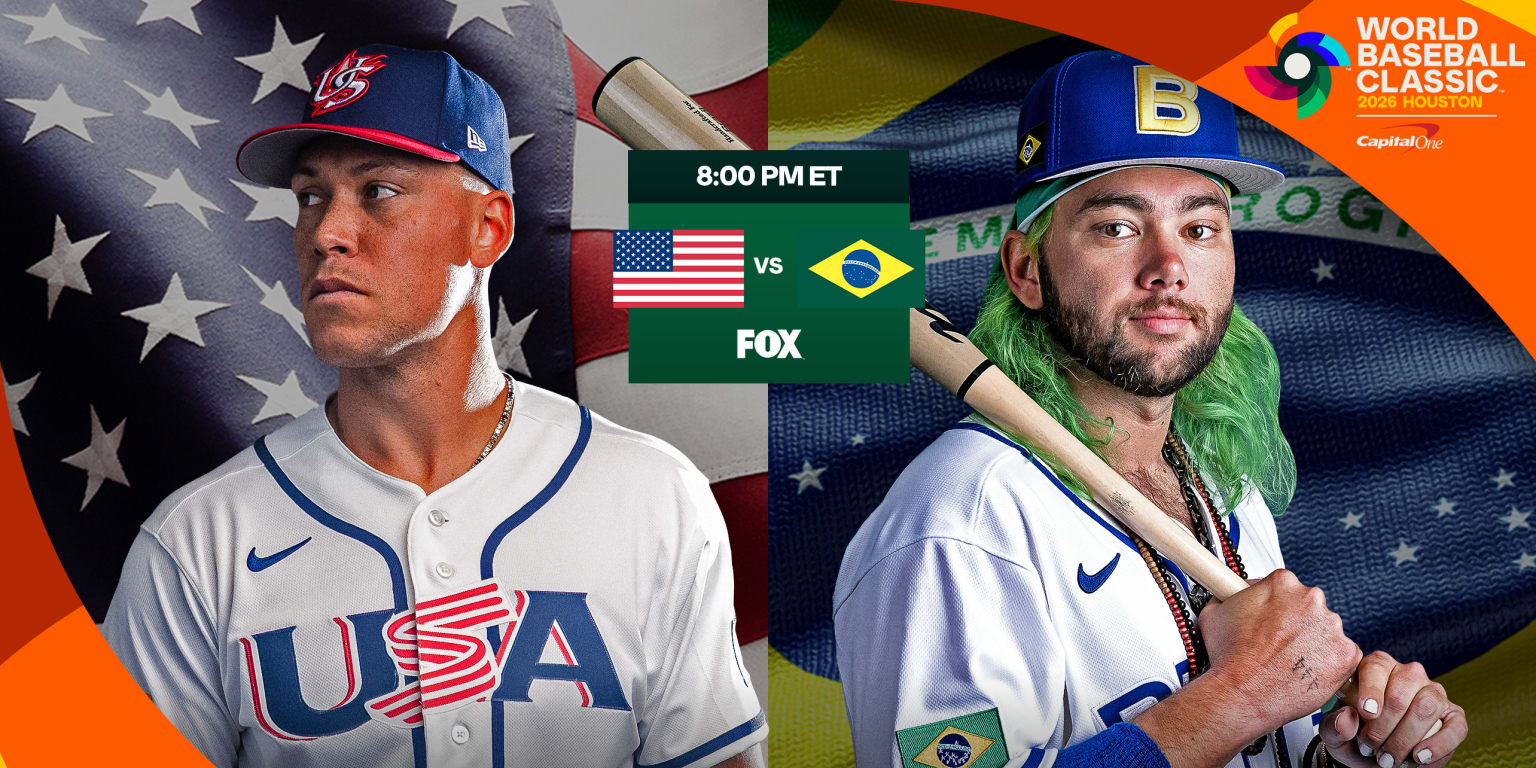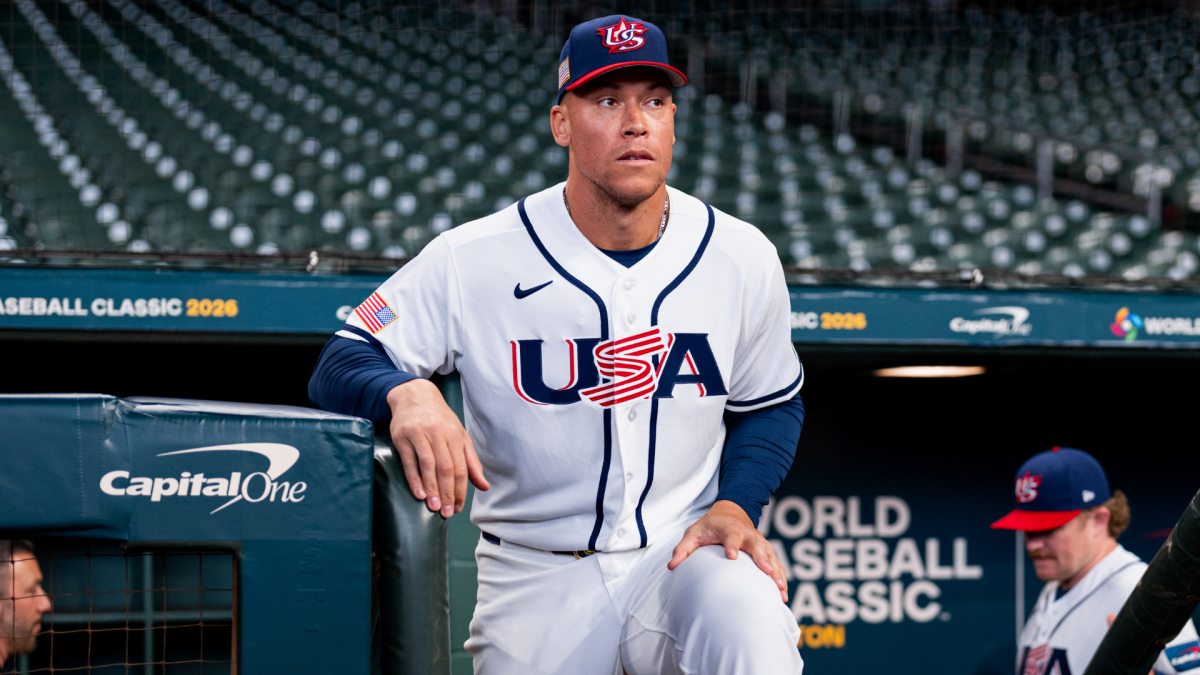
The 2026 World Baseball Classic (WBC) commences at Houston’s Daikin Park with a high-stakes confrontation between Team USA and Brazil. Following a narrow defeat to Japan in the 2023 championship, the United States has transitioned from a mere collection of stars to a structurally optimized roster. This shift reflects a strategic imperative to mitigate the volatility inherent in short-series international formats.
Structural Roster Engineering and Offensive Depth
Manager Mark DeRosa’s 2026 lineup represents a sophisticated concentration of Capital Value and offensive efficiency. By anchoring the core with perennial All-Stars Aaron Judge and Bryce Harper, and augmenting it with high-contact assets like Bobby Witt Jr. and Alex Bregman, the U.S. has created a multi-dimensional threat profile. This construction minimizes reliance on the long ball, providing tactical flexibility against diverse international pitching styles.
The inclusion of Cal Raleigh provides an essential defensive anchor. Raleigh’s elite framing and power from the catcher position address previous iterations’ vulnerabilities, signaling an increased institutional commitment from MLB franchises to deploy top-tier assets despite inherent injury risks.
Pitching Evolution: The High-Velocity Pivot
The selection of Logan Webb as the opening starter underscores a ‘high-floor’ strategy. Webb’s elite command and ground-ball induction are critical for navigating the tournament’s strict pitch-count regulations. However, the true analytical shift lies in the secondary rotation; featuring Paul Skenes and Tarik Skubal, the 2026 staff prioritizes pure velocity and strikeout percentage—a direct response to the pitching-heavy dominance exhibited by Japan in recent cycles.
Anchoring the bullpen is Mason Miller, whose triple-digit efficiency serves as a structural fail-safe for high-leverage late-inning scenarios. This emphasis on ‘stacked’ pitching depth aims to neutralize the high-variance outcomes that often define single-elimination play.
Market Sentiment and Economic Implications
Financial markets reflect this talent disparity, with DraftKings positioning the United States as -800 favorites for Pool B. This valuation is not merely a reflection of roster names but an assessment of the American program’s professionalized infrastructure. The tournament’s sponsorship by Capital One further solidifies its status as a premier commercial property, with Houston and Miami serving as logistical hubs to maximize gate receipts and global broadcasting reach via FOX.
Brazil’s Competitive Threshold
Brazil enters its first WBC since 2013 as a massive underdog. Their challenge is one of collective execution versus individual brilliance. For Brazil, the game serves as a benchmark for South American baseball development. While the betting odds suggest a steep climb, the exposure facilitates long-term investment into regions where baseball is an emerging discipline.
Global Strategic Convergence
The tactical shifts seen in Houston mirror broader trends in international sports. Whether it is Vietnam’s 5-4-1 defensive discipline in their 2-1 victory over India in women’s soccer, or the institutional pressure on programs like Indiana basketball to halt performance slides, the margin for error is shrinking globally. For Team USA, the 2026 opener is more than a game; it is a required validation of a multi-year restructuring effort aimed at restoring American hegemony in the global baseball landscape.