AL East Competitive Landscape
The 2026 MLB season has established a distinct performance gap between the New York Yankees (14-9) and the Boston Red Sox. As the Yankees hold a five-game divisional lead, the Red Sox face mounting pressure to stabilize their roster after a recent three-of-four game slump. This contest serves as a pivotal opportunity for New York to leverage momentum and for Boston to disrupt the current divisional hierarchy.
Pitching Metrics and Tactical Analysis
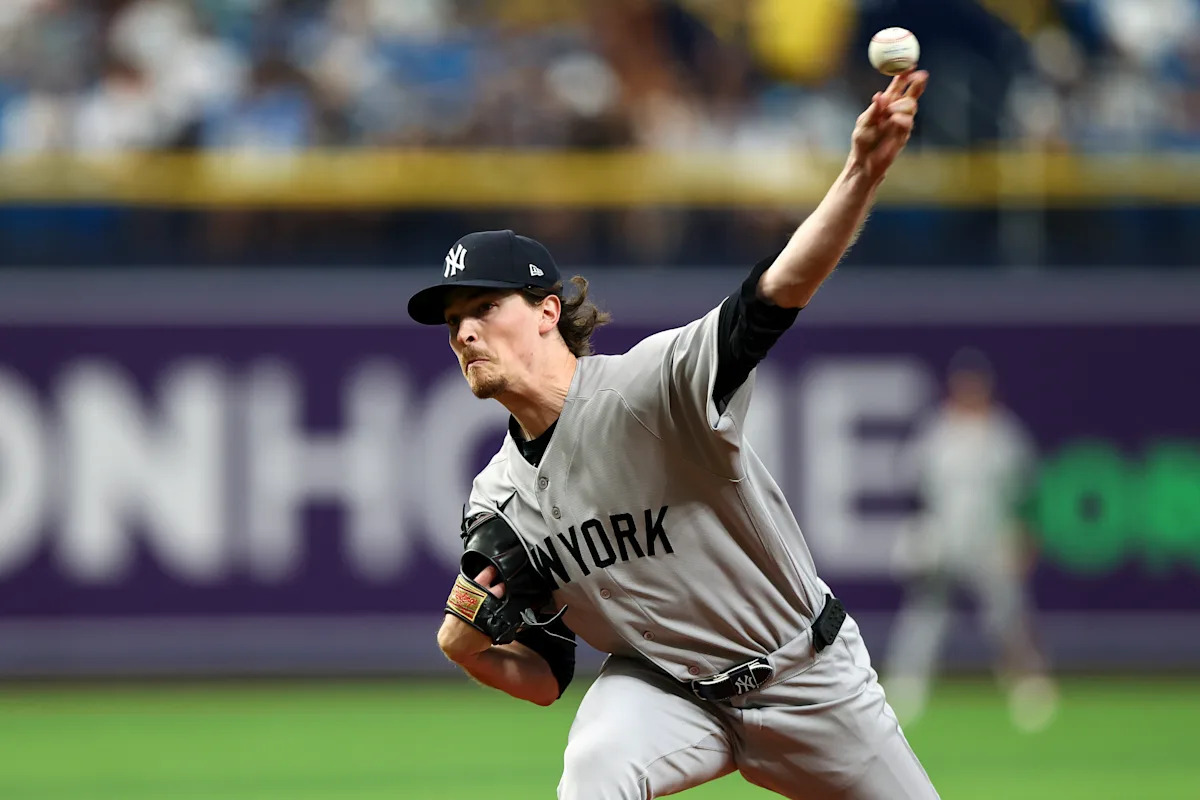
The mound matchup features a contrast in efficiency. Max Fried enters with a 2.97 ERA and 0.81 WHIP, serving as the cornerstone of the Yankees’ defensive reliability. In comparison, Ranger Suarez holds a 3.22 ERA and 1.07 WHIP. The statistical delta in WHIP highlights Boston’s primary challenge: preventing high-leverage scoring opportunities, particularly during middle-inning transitions.
Performance Benchmarks
Tuesday’s shutout win for the Yankees—their first at Fenway Park since 2020—indicates a significant shift in their tactical approach against the Boston lineup. Current betting markets, which list the Yankees at -140, mirror this increased confidence in their rotation’s consistency. Environmental variables, including a 46°F first-pitch temperature, will necessitate strategic adjustments in pitch selection and bullpen usage to mitigate the impact of lower ambient temperatures on ball flight.
Data-Driven Predictive Modeling
Professional sports management increasingly relies on simulation-based models, such as SportsLine, which utilize 10,000-iteration projections to determine expected value. For analysts, these simulations quantify the risks inherent in the matchup, such as the effectiveness of the Yankees’ power hitters like Aaron Judge and Cody Bellinger against Suarez. While early in the season, the current standings suggest the Red Sox must optimize their lineup utility immediately to prevent the Yankees from expanding their divisional cushion.