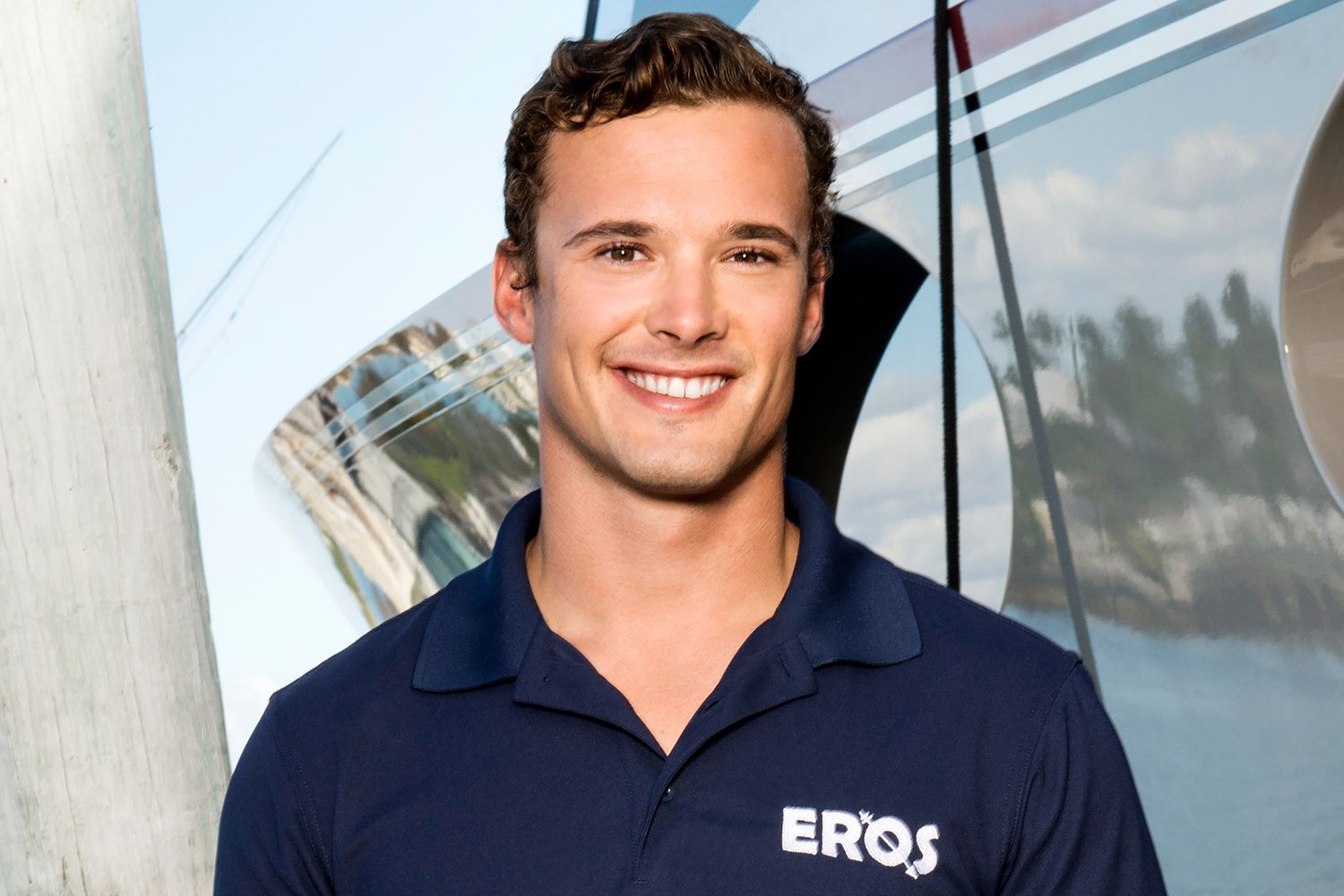
Emile Kotze, a former deckhand from Season 3 of Bravo’s ‘Below Deck’ (2015), has significantly escalated litigation against NBCUniversal by filing an amended federal complaint in the Southern District of New York in October 2025, asserting damages up to $850 million, an increase from earlier figures cited near $633 million.
The complaint alleges a core issue of a “hostile work environment” characterized by sexual harassment, participant manipulation, and dangerous conditions, suggesting production governance prioritized maximizing ratings over participant safety and welfare.
Systemic Governance Failure and Duty of Care Breach
Kotze asserts NBCUniversal neglected its duty of care, compounding initial harm with subsequent actions including defamation, misappropriation of likeness, and an aggressive “cover-up and retaliation campaign” initiated after he sought internal redress.
This alleged systemic failure implies significant structural gaps where participant safeguarding mechanisms were either absent or actively subverted to mitigate immediate reputational risk stemming from on-set conduct.
The post-complaint retaliation campaign introduces a critical secondary liability vector for the network, shifting the dispute beyond workplace conduct into potential tortious interference and the strategic suppression of grievances, challenging the network’s corporate oversight structures.
Fraudulent Inducement: Documentary Pretext vs. Reality Format
A foundational element challenges the validity of consent: Kotze, aged 23 during filming, claims he was induced to participate under the “false pretenses” that the series was a documentary detailing yachting life.
The alleged transition to a reality television format, disclosed only during active filming, suggests deliberate misrepresentation to secure participation under terms that facilitated high-conflict programming, potentially invalidating contractual consent.
This operational tactic—securing talent under a pretext to enable behaviors conducive to reality programming—exposes production entities to fraudulent inducement claims, particularly when coupled with allegations of subsequent manipulative direction.
Operational Engineering for Content Maximization
The lawsuit provides specific examples of production steering designed to manufacture narrative arcs, including producers allegedly “steering” Kotze into a manufactured “romantic entanglement” with castmate Raquel “Rocky” Dakota against his stated reservations.
Furthermore, claims of producers encouraging heavy drinking and placing him in sexually charged scenarios indicate active management of the on-set environment to generate high-drama content, suggesting a deliberate strategy overriding participant autonomy for content yield.
The resulting portrayal, characterized by Kotze as “highly misleading” editing that constructed a false narrative of him being “immature, incompetent, and sexually aggressive,” highlights the significant leverage post-production teams hold over public perception and professional standing.
Quantifying Long-Term Harm and Punitive Exposure
The $850 million damage demand signals an attempt to quantify the cumulative, long-term professional and reputational harm inflicted over the decade since the season aired, moving beyond immediate injury claims.
This figure implies the plaintiff seeks punitive damages commensurate with the perceived scale of corporate malfeasance, specifically targeting the alleged decade-long campaign to discredit him post-complaint.
For NBCUniversal, the litigation constitutes a significant contingent liability transcending standard employment claims, intersecting with intellectual property rights (misappropriation of likeness) and systemic breach of duty of care across production cycles.
Sectoral Precedent in Unscripted Television Models
The allegations directly attack the operational model of unscripted television, where the deliberate blurring of factual documentation and staged reality is central to commercial viability in competitive genres.
If proven, claims regarding coerced relationships and engineered intoxication suggest a pattern potentially endemic across productions relying on high-stakes interpersonal conflict for viewership metrics.
This case establishes a significant precedent regarding network accountability for manufactured environments, potentially mandating re-evaluation of participant release forms and on-set conduct protocols industry-wide.
Liability Allocation: Production vs. Post-Production Defamation
The assertion that final editing created a “highly misleading” defamatory portrayal introduces complexity in assigning liability between on-site production crews and editorial teams responsible for final narrative construction.
Defamation claims in reality programming are often mitigated by broad producer latitude in release agreements, yet Kotze’s argument hinges on the editing actively contradicting the reality of his consent and behavior.
This challenges the traditional defense of consent based on filmed actions, proposing instead that the actions themselves were heavily curated or misrepresented to fit a predetermined, damaging characterization.
Institutional Response and Market Signaling
The shift from the initial June 2025 complaint to the October 2025 amended filing, increasing the claim to $850M, indicates a strategic escalation following initial discovery or assessment of the network’s response posture.
Amended complaints often refine legal theories based on initial procedural exchanges, suggesting the plaintiff’s team has identified weak points in the network’s anticipated defense or stronger avenues for damage quantification.
This sustained legal pressure forces NBCUniversal to allocate substantial internal resources to defense, diverting focus from core content development and signaling market seriousness regarding the contingent liability.
The Documentary vs. Reality Distinction in Adjudication
Kotze’s premise that he was promised a documentary serves as a critical anchor for challenging the legality of the entire production process under which he operated.
If the court accepts the fundamental premise of participation was misrepresented, it significantly weakens the network’s reliance on standard waivers assuming participant understanding of reality TV production dynamics.
This documentary/reality distinction is pivotal to establishing the degree of producer manipulation required to manufacture the alleged hostile environment and resulting defamatory portrayal.
Financial Materiality and Shareholder Risk Assessment
A potential $850 million judgment, even if substantially reduced, represents a material financial event for NBCUniversal, directly impacting quarterly earnings and shareholder confidence metrics.
The resulting uncertainty forces institutional investors to recalibrate risk models for media conglomerates heavily invested in unscripted content, potentially exerting downward pressure on valuations until the exposure is resolved.
Furthermore, the nature of the claims (sexual harassment, retaliation) triggers heightened scrutiny from corporate governance bodies regarding internal compliance structures and executive oversight of production standards.
Long-Tail Liability: The 2015 Production Legacy
The time lag between the 2015 events and the 2025/2026 litigation highlights the enduring financial and reputational risk associated with production practices from that era, potentially subject to less stringent internal monitoring than current standards.
Current leadership must manage liabilities originating from operational decisions made under differing compliance regimes, necessitating deep archival review of decade-old protocols to formulate a defense.
The industry faces a structural reckoning where past profitable content decisions are re-litigated under evolving legal and societal expectations regarding participant rights and workplace safety.
Strategic Conclusion: Stress Test for Reality TV Ethics
Emile Kotze’s litigation exposes NBCUniversal to profound financial, operational, and reputational risk by challenging the ethical foundation of its high-yield reality programming model.
The allegations of systemic manipulation, augmented by an alleged post-event cover-up, suggest a corporate culture prioritizing content maximization over participant protection, creating multi-layered liability.
For the media sector, this case functions as a critical stress test for existing production safeguards and the legal enforceability of participant consent when environments are allegedly engineered for manufactured conflict and intimacy.