
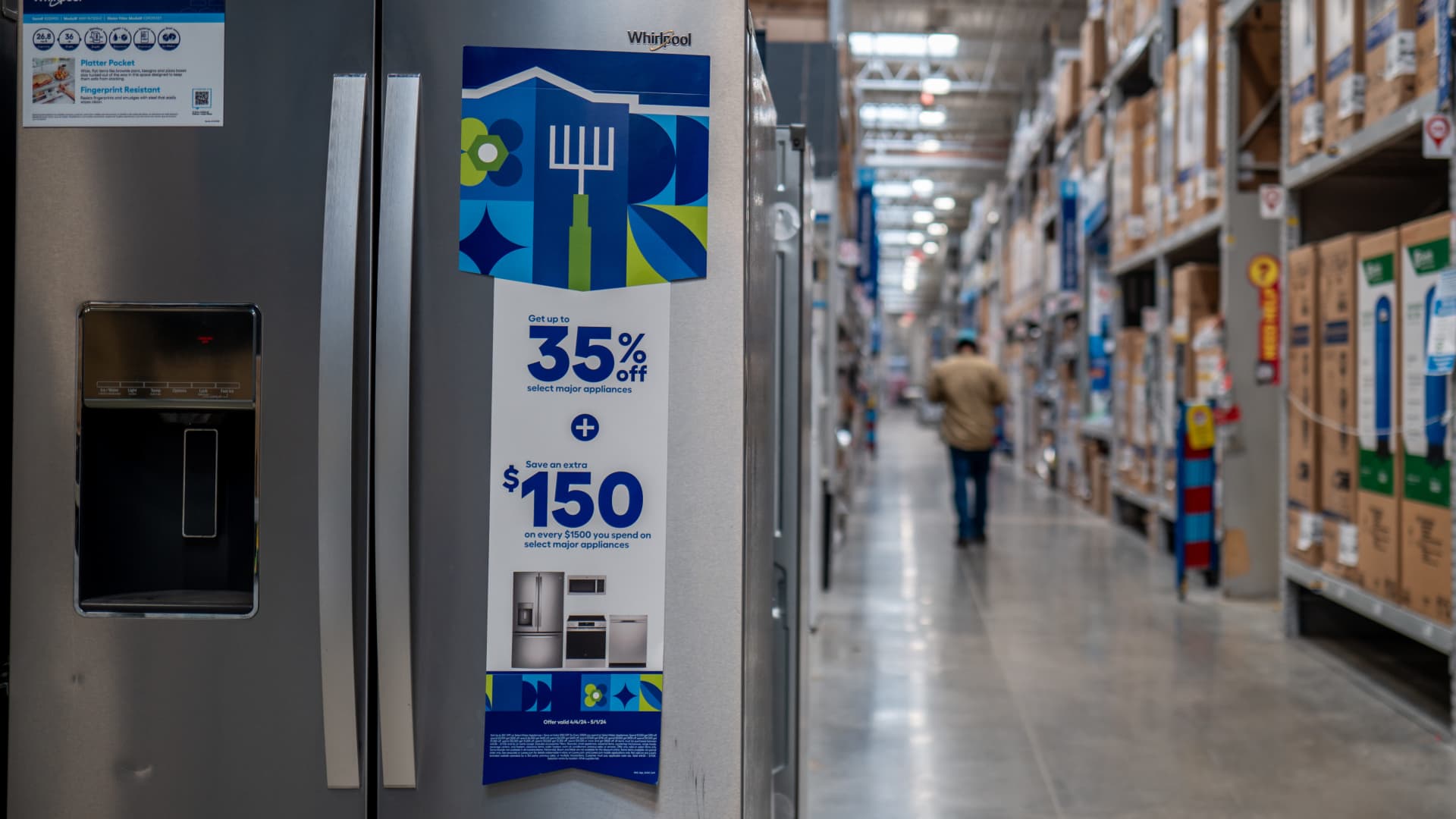
The 20% liquidation of Whirlpool Corporation’s market value serves as a critical barometer for the transmission of Middle Eastern geopolitical instability into domestic industrial contraction. By explicitly linking the Iran conflict to a ‘recession-level’ decline in the U.S. appliance sector, management has signaled a rapid erosion of the macroeconomic environment that transcends typical seasonal fluctuations. This downturn represents a systemic convergence of surging logistical overhead and a precipitous retreat in consumer discretionary spending.
Macroeconomic Transmission and Capital Deferment
Whirlpool’s disclosure of severe industry contraction during late February and March illustrates the extreme sensitivity of long-cycle durable goods to external shocks. Escalating fuel prices function as an immediate tax on household liquidity, redirecting capital from home infrastructure to operational costs. This shift creates an instantaneous inventory overhang, challenging manufacturers built on high-volume throughput. The collapse in sentiment suggests that the psychological weight of the conflict has outpaced physical supply chain disruptions, forcing a radical recalibration of production schedules and labor commitments.
Operational Defense and Strategic Austerity
CEO Marc Bitzer’s emphasis on pricing adjustments reflects a defensive effort to protect narrowing margins against inflationary energy inputs. However, the efficacy of price hikes is structurally limited by high interest rates and the ‘repair-over-replace’ consumer mentality. The decision to suspend the dividend and slash 2026 guidance is the most definitive signal of capital preservation. For a legacy industrial entity, prioritizing liquidity over shareholder yields suggests a preparation for a protracted period of suppressed demand and heightened input volatility.
Section 232 and the Protectionist Pivot
Whirlpool’s focus on Section 232 trade policy indicates a strategic pivot toward leveraging protectionist frameworks to mitigate global headwinds. By positioning itself as a domestic champion, the company seeks a structural moat against international competitors burdened by rising transoceanic logistics costs. While shortening supply chains reduces exposure to global maritime instability, it increases sensitivity to U.S. labor market tightness and domestic energy policy—shifting the risk profile rather than eliminating it entirely.
Sectoral Divergence and Investor Implications
The stark contrast between Whirlpool’s decline and the relative resilience of the services sector reveals a fragmented economy. While ‘experience-based’ spending persists, the appetite for capital-intensive home improvement has evaporated. This divergence suggests a localized industrial recession. Investors are now re-evaluating the durable goods sector, viewing Whirlpool as a bellwether for a broader manufacturing correction. The company’s survival now hinges on its ability to navigate debt obligations without its historical dividend-paying profile while aggressively de-risking its financial structure.

Photo by Pexels on Pixabay.