The Maximalist Shift: Doctrine of Unconditional Surrender
As the conflict enters its second week, President Donald Trump has transitioned from traditional containment to a policy of maximalist pressure, demanding the “unconditional surrender” of the Iranian government. This rhetorical escalation represents a shift toward regime-altering objectives, forcing Tehran into a strategic impasse. By framing the conflict in binary terms—capitulation or “complete destruction”—the administration is effectively bypassing the nuance of traditional back-channel diplomacy to prioritize institutional collapse.
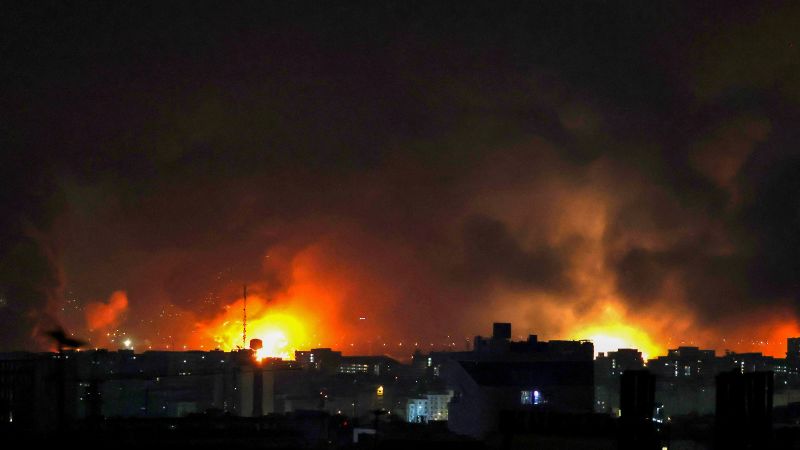
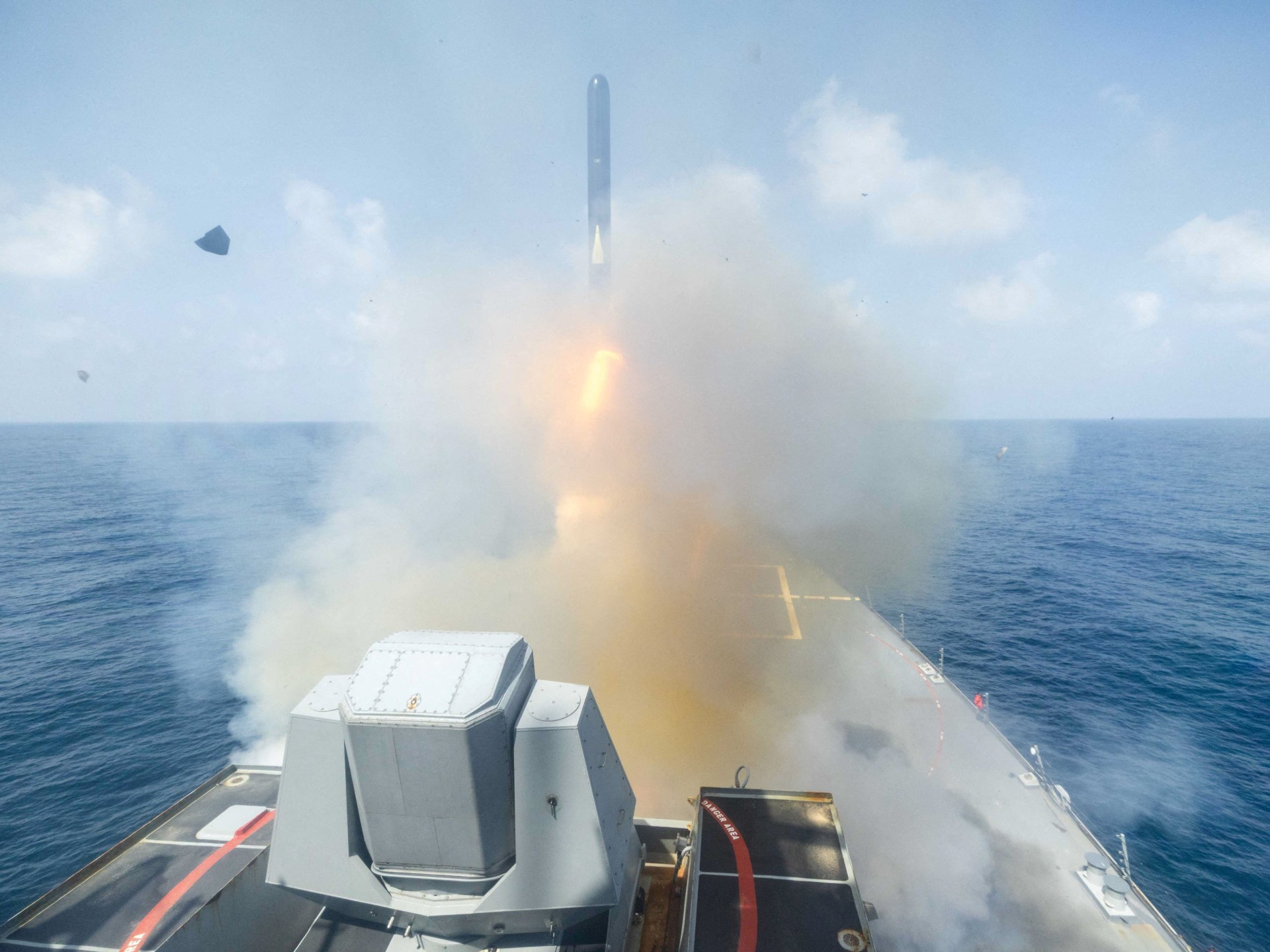
The threat to target “new areas” indicates a broadening kinetic scope, moving beyond isolated military sites to encompass dual-use infrastructure and high-value state assets. This expansion is calibrated to maximize domestic pressure within Iran, demonstrating the prohibitive costs of continued resistance while systematically degrading the regime’s regional power projection capabilities.
Diplomatic Fractures and the GCC Neutrality Strategy
President Masoud Pezeshkian’s recent overtures to Gulf Cooperation Council (GCC) states represent a calculated attempt to fracture the regional coalition supporting U.S.-Israeli operations. By apologizing for the collateral impacts of Iranian strikes, Pezeshkian seeks to secure neutrality from nations hosting critical U.S. military infrastructure. However, this diplomatic pivot is undermined by a perceived lack of command-and-control over the Islamic Revolutionary Guard Corps (IRGC), whose continued strikes suggest a significant disconnect between the Iranian presidency and its military apparatus.
The U.S. administration has dismissed these diplomatic efforts as tactical retreats. By characterizing the apologies as signs of terminal decline, the White House maintains the momentum for escalation, interpreting regional de-escalation attempts as proof that the regime is already buckling under the weight of the current offensive.
Domestic Resolve: The Dover Transfer and Political Capital
The dignified transfer of six U.S. service members at Dover Air Force Base serves as a pivot point for domestic policy. The presence of President Trump and Vice President JD Vance underscores the high political stakes of the casualties. Such ceremonies often function to solidify public and legislative support, transitioning the narrative from preventive strikes to a retaliatory necessity. This shift provides the administration with the necessary political capital to pursue sustained, high-intensity military options despite mounting costs.
Israeli Kinetic Operations and Intelligence-Led Incursions
Parallel to the air campaign, Israeli commando raids in Lebanon—specifically the high-intensity operation in Nabi Chit—reveal secondary tactical objectives focused on intelligence recovery and the search for historical remains. These ground incursions demonstrate a high degree of intelligence penetration, forcing Iranian proxies to defend territory while their primary benefactor faces direct assault. These operations act as force multipliers, reinforcing the U.S. demand for surrender by illustrating that no regional asset remains beyond the reach of the alliance.
Retaliatory Feedback Loops and Market Volatility
Tehran’s stated doctrine of targeting U.S. assets at their points of origin establishes a dangerous escalatory feedback loop. A senior Iranian official’s confirmation of active U.S. target acquisition indicates a refusal to capitulate, aiming instead for a strategy of attrition. This posture, however, risks accelerating the “complete destruction” threatened by Washington if institutional friction within the Iranian government leads to uncoordinated military responses.
Global markets are reacting to the increased risk to critical infrastructure in the Persian Gulf and the Strait of Hormuz. The prospect of a total cessation of Iranian oil exports and soaring maritime insurance premiums reflects a significant geopolitical risk premium. As the war enters this decisive phase, the objective appears to be a fundamental restructuring of the regional security architecture, leaving little room for the managed stalemates of the past.