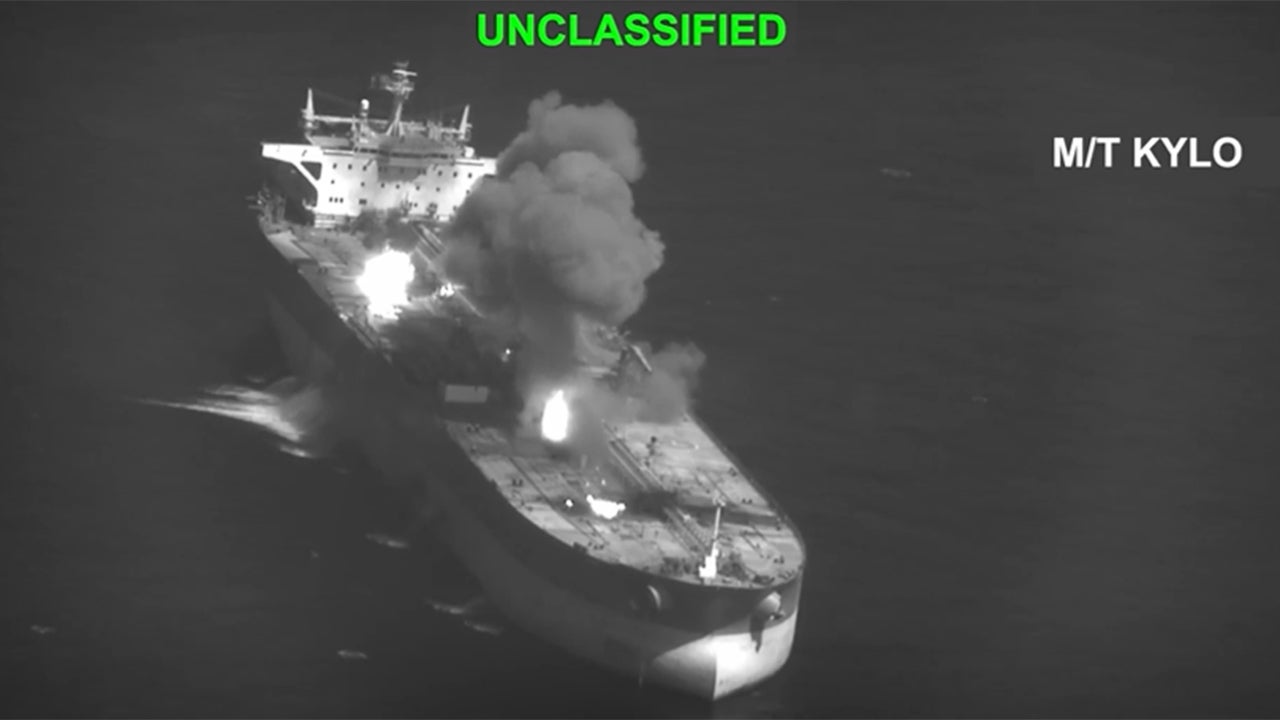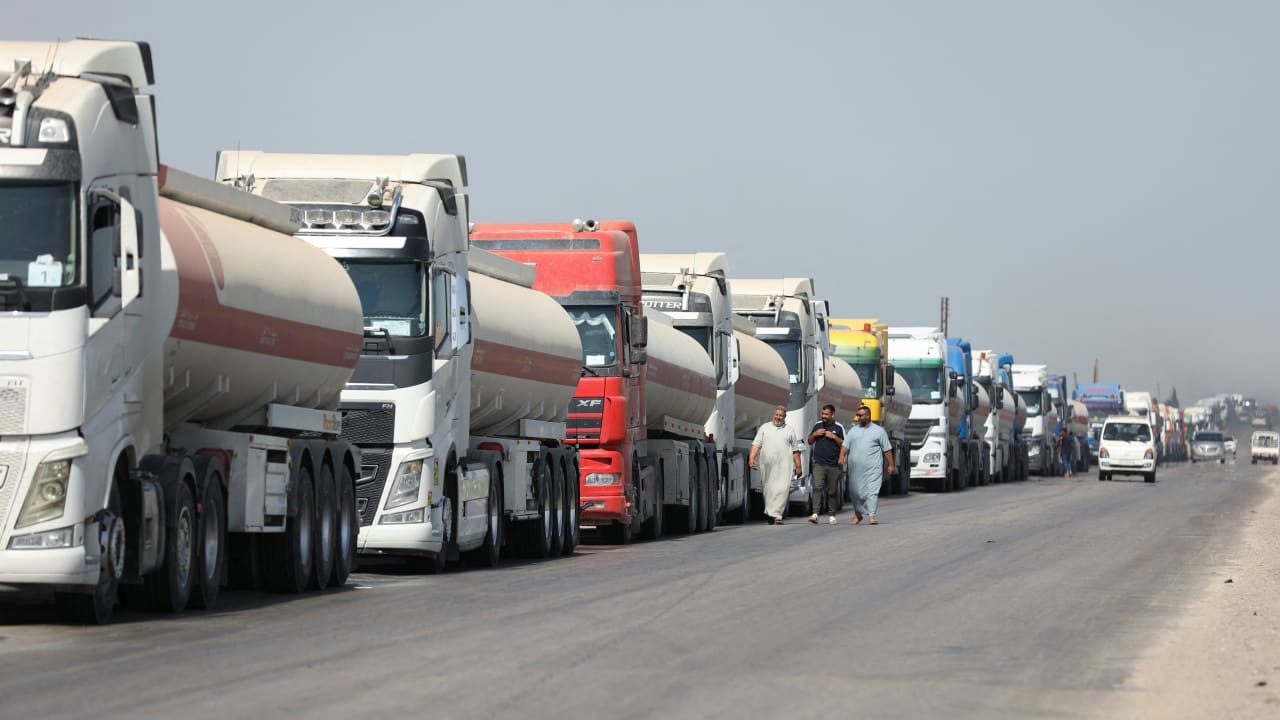
President Donald Trump recently observed that the Strait of Hormuz could become largely unnecessary due to the development of alternative petroleum transportation networks spanning the Middle East. These emerging overland corridors and pipeline systems represent a significant shift in regional logistical planning, historically dependent on narrow maritime chokepoints. By diversifying export routes away from these bottlenecks, energy-producing nations seek to insulate their primary revenue streams from geopolitical instability.
This strategic commentary aligns with broader structural realignments across global energy markets, where infrastructure resilience dictates economic security. Utilizing alternative land routes through territories such as Syria offers producing states a mechanism to bypass traditional maritime vulnerabilities. Such shifts alter how petroleum moves from extraction fields to international consumer markets.
Economic Pressures and Supply Constraints in Iran
Parallel to these infrastructure developments, the Iranian domestic economy faces severe operational strain driven by military actions and international economic sanctions. A senior Iranian source indicated that the nation maintains approximately two months of gasoline reserves under current consumption rates. Ongoing confrontations and financial restrictions have compounded domestic logistical challenges, exposing the vulnerabilities of national refining capacities.
United States actions have systematically severed primary crude oil export channels, which constitute a foundational revenue source for the administration. Limited domestic refining infrastructure forces the regime to import refined gasoline despite possessing massive crude reserves, illustrating the direct transmission mechanism of targeted economic warfare on state financial stability.
Financial Targeting and Regulatory Enforcement
In response to regional tensions, the United States Department of the Treasury deployed Operation Economic Outcast. According to Treasury Secretary Scott Bessent, the objective of this campaign is to tighten financial constraints and obstruct revenue streams funding the Islamic Revolutionary Guard Corps and the central administration. This regulatory measure builds upon secondary sanctions designed to isolate targeted financial networks from the global banking system.
Enforcement mechanisms target international intermediaries and illicit trade networks facilitating prohibited energy transactions. By cutting off access to foreign capital, regulatory authorities aim to diminish the state’s capacity to finance military operations abroad. Financial institutions worldwide continuously adjust compliance protocols to navigate these expanding enforcement parameters, heightening transaction costs for entities with commercial exposure to restricted jurisdictions.
Regional Security Dynamics and Military Escalation
The broader geopolitical landscape remains volatile, characterized by active military engagements across multiple sovereign borders. Israel’s military executed targeted strikes against Hezbollah assets and weapons storage facilities following a drone launch toward troops stationed in southern Lebanon. These kinetic operations reflect a persistent state of readiness and deterrence among regional defense forces anticipating multi-front hostilities.
Concurrently, retaliatory actions have expanded to neighboring territories, including incidents reported in Jordan, the Kurdistan region of Iraq, the United Arab Emirates, and Kuwait. This dispersion of hostile acts underscores complex proxy dynamics defining contemporary Middle Eastern security architecture. Diplomatic channels remain constrained, as the White House has publicly indicated an absence of intent to negotiate.
Strategic Realignment and Diplomatic Posturing
Despite active conflict, diplomatic reports indicate a preference among certain international actors to contain hostilities and prevent broader regional escalation. Maintaining containment requires careful calibration by participating states to avoid unintended escalatory spirals. Israeli officials continue to issue warnings regarding potential provocations, signaling readiness to respond decisively to cross-border incursions.
Within this diplomatic matrix, infrastructural projects such as proposed Syrian transit corridors acquire strategic relevance. While long-term implementation plans for routing petroleum toward the Mediterranean face operational hurdles, the conceptual framework alters long-term planning horizons as traditional maritime transit routes encounter sustained friction.