
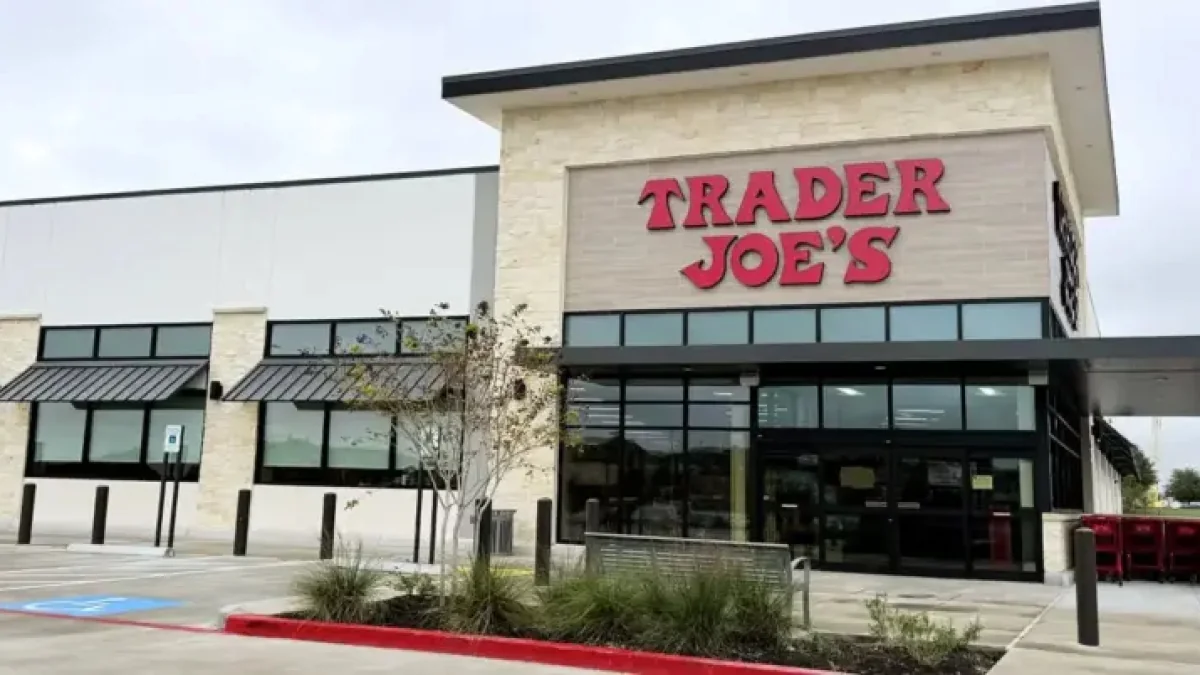
Trader Joe’s Agrees to $7.4 Million Settlement Over FACTA Receipt Data Violations
Trader Joe’s has reached a $7.4 million class action settlement concerning allegations that certain customer receipts printed during credit and debit card transactions from March 5, 2019, to July 19, 2019, displayed more payment card information than permitted by the Fair and Accurate Credit Transactions Act (FACTA).
The lawsuit’s core issue is the alleged violation of FACTA, federal legislation restricting the amount of credit or debit card data printed on customer receipts. Plaintiffs contended that some Trader Joe’s locations printed both the first six and the last four digits of customer card numbers. This practice, termed “double-exposure,” allegedly increased the risk of identity theft and financial fraud for consumers.
The settlement, offering eligible shoppers up to $102.45 each, underscores the financial and privacy implications of alleged non-compliance with data display regulations. It highlights how transactional details, when mishandled, can directly impact individual consumers and necessitate retailer accountability.
This case exemplifies the ongoing challenge for retailers: balancing operational efficiency with robust consumer data privacy protections. The legal action and settlement signal increased scrutiny on how businesses manage and display sensitive financial data, with significant potential financial and reputational consequences.
The settlement’s specific transaction window (March 5, 2019, to July 19, 2019) reflects the precise evidentiary scope typical in class action litigation. Eligibility for compensation is strictly tied to transactions falling within this defined period and exhibiting the alleged data overexposure.
This resolution serves as a critical reminder for the retail industry regarding adherence to data privacy statutes like FACTA. The financial penalty and administrative burden of managing the settlement underscore the cost-effectiveness of ensuring strict compliance with data printing protocols.
The settlement’s aggregate value suggests a substantial number of affected transactions, potentially indicating systemic issues in receipt generation processes across various Trader Joe’s locations during the specified timeframe. This scale necessitates a thorough review of internal controls and point-of-sale system vendor agreements.
For consumers, the settlement provides a tangible recovery for alleged breaches of financial data privacy, reinforcing the power of collective action to hold corporations accountable for data handling practices and promoting vigilance in protecting personal financial information.
The legal framework established by FACTA, reinforced by this settlement, incentivizes retailers to invest in technologies and processes that minimize sensitive data displayed on receipts. This includes exploring digital receipt alternatives and ensuring only essential data elements are printed.
The implications extend beyond Trader Joe’s, signaling to the broader retail sector the liabilities associated with outdated or non-compliant receipt printing practices. Companies are compelled to audit their systems and update policies to align with evolving consumer protection standards and legal precedents.
The estimated maximum payout of $102.45 per eligible claimant is calculated by dividing the total settlement fund by the projected number of valid claims, a standard method for equitable distribution in class actions.
The settlement process requires eligible individuals to submit claims, often necessitating documentation or attestation of transaction details within the specified period. This administrative phase is vital for the efficient distribution of settlement funds.
This legal outcome highlights the tension between data utility and data security in modern commerce. While credit card transactions are essential, the incidental collection and display of sensitive data on receipts present a persistent vulnerability addressed through legal means.
Trader Joe’s strategic decision to settle likely reflects an assessment of potential litigation costs, risks, and reputational damage, offering a more predictable resolution than a protracted legal battle.
The settlement may also prompt a review of third-party vendor agreements for point-of-sale hardware and software, ensuring all technology partners comply with data privacy regulations as part of comprehensive risk management.
This case demonstrates the effectiveness of existing consumer protection laws, such as FACTA enacted in 2003, in addressing contemporary data privacy challenges and safeguarding consumer financial information.
The settlement’s financial terms, while significant, are likely viewed by Trader Joe’s as a cost of doing business and an investment in mitigating future legal and reputational risks. Proactive compliance can prevent substantial financial outlays and preserve customer trust.
The legal theory of increased identity theft risk due to “double-exposure” of card numbers highlights concerns about sensitive data aggregation. Potential future misuse, even without immediate harm, can be a basis for legal action under consumer protection statutes.
This settlement reinforces the importance of robust data governance frameworks within retail organizations, encompassing data minimization, secure handling, and regular audits for compliance.
The case illustrates the role of consumer advocacy and legal professionals in pursuing alleged violations, leading to settlements that benefit a large class and encourage industry-wide improvements in data protection.
Ultimately, the Trader Joe’s settlement serves as a case study on the intersection of retail operations, consumer privacy law, and financial risk management, emphasizing the need for continuous vigilance and adaptation to legal mandates and consumer expectations.
The precedent set by this settlement may encourage further scrutiny of receipt printing practices across the retail sector. Businesses should audit their compliance with FACTA and similar regulations to mitigate potential legal challenges.
The financial impact on Trader Joe’s, while substantial, must be weighed against the potential costs of litigation and ongoing reputational damage, with the settlement offering a definitive resolution.
This situation highlights the evolving landscape of consumer rights in the digital economy, where data protection, particularly financial information, remains a paramount concern.
The settlement’s structure, with a fixed fund and estimated per-claimant payout, aims to manage financial exposure and provide a clear benefit to eligible consumers, a common approach in class action litigation.
The legal basis of the claim under FACTA demonstrates the enduring relevance of consumer protection legislation in addressing contemporary data privacy issues and holding entities accountable for handling sensitive personal information.
Consumers’ awareness of their rights under laws like FACTA is crucial for identifying potential violations and seeking recourse when their financial data privacy may have been compromised.
Careful administration of the settlement process is necessary to ensure only eligible claimants receive compensation, verifying transaction details against the settlement agreement’s criteria.
Financial implications for Trader Joe’s extend beyond the settlement amount to include legal fees, administrative costs, and potential increases in data privacy liability insurance premiums.
This case underscores the critical need for retailers to maintain up-to-date knowledge of data privacy regulations and implement robust internal controls for compliance, essential for preventing costly legal entanglements and safeguarding customer trust.
The settlement’s resolution of “double-exposure” allegations provides a clear signal to the retail industry that minor transaction processing details can have significant legal and financial ramifications.
The settlement’s structure, featuring a fixed fund and estimated per-claimant payout, offers a predictable financial outcome for the defendant and a clear benefit for the plaintiff class, facilitating the resolution of complex disputes.
The legal action against Trader Joe’s is indicative of a broader trend where consumers are increasingly empowered to challenge corporate data handling practices through class action lawsuits, providing a mechanism for addressing widespread privacy concerns.
The settlement’s focus on a specific transaction period suggests the issue may have stemmed from a particular system update, vendor change, or policy implementation within Trader Joe’s operations at that time.
Financial and operational adjustments to comply with FACTA and similar regulations can involve significant investment, yet these investments are often outweighed by the costs of litigation and potential penalties.
The settlement’s terms outline a clear process for eligible consumers to claim their portion of the $7.4 million fund, typically involving submission of a claim form with transaction details.
The legal precedent set by this settlement reinforces the principle that businesses are responsible for protecting consumer financial data, and deviations from legal standards can result in substantial liabilities.
The strategic decision to settle likely reflects a calculated risk assessment by Trader Joe’s to contain costs and mitigate reputational damage, a common approach in similar class action litigation.
The settlement’s impact on Trader Joe’s operational procedures may necessitate a review and potential overhaul of receipt printing protocols, including software updates, system reconfigurations, or stricter data handling policies.
The consumer’s right to privacy regarding financial transaction data is a cornerstone of consumer protection law, and this settlement reaffirms that right and provides a mechanism for redress.
The estimated $102.45 payout per claimant is an approximation; the final per-claimant amount could vary based on the actual number of valid claims submitted and approved.
This class action lawsuit highlights the critical importance of data security and privacy compliance in the retail industry, urging companies to remain diligent in adhering to regulations to avoid costly legal repercussions.
The settlement provides a defined process for eligible consumers to receive compensation, underscoring the practical application of consumer protection laws in resolving data privacy disputes.
The legal framework governing credit card transaction data privacy continues to evolve, with this settlement serving as a significant marker influencing how retailers manage and display sensitive customer information.

Photo by conversationswithval on Pixabay.