Toy Story 5: Disney’s Dual-Platform Strategy for IP Maximization
The upcoming theatrical release of Toy Story 5 on June 16, seven years after its last installment, signifies a calculated move by Disney and Pixar to re-engage a foundational intellectual property. This launch is not merely a cinematic event but a meticulously orchestrated strategy designed to maximize revenue and reinforce the franchise’s enduring cultural footprint across multiple distribution channels.
Disney’s decision to maintain a distinct theatrical window before its anticipated early October debut on Disney+ reflects a calibrated content monetization approach. This strategy prioritizes premium box office revenue, leveraging the communal viewing experience to build initial momentum and critical acclaim. This theatrical success subsequently enhances the film’s perceived value ahead of its streaming availability, aligning with Disney’s established three-month post-theatrical window for first-party films. This dual-platform strategy mitigates immediate box office cannibalization while providing a consistent pipeline of high-value content essential for attracting and retaining Disney+ subscribers, thereby optimizing returns across Disney’s integrated ecosystem.
Reinforcing IP Value and Multigenerational Engagement
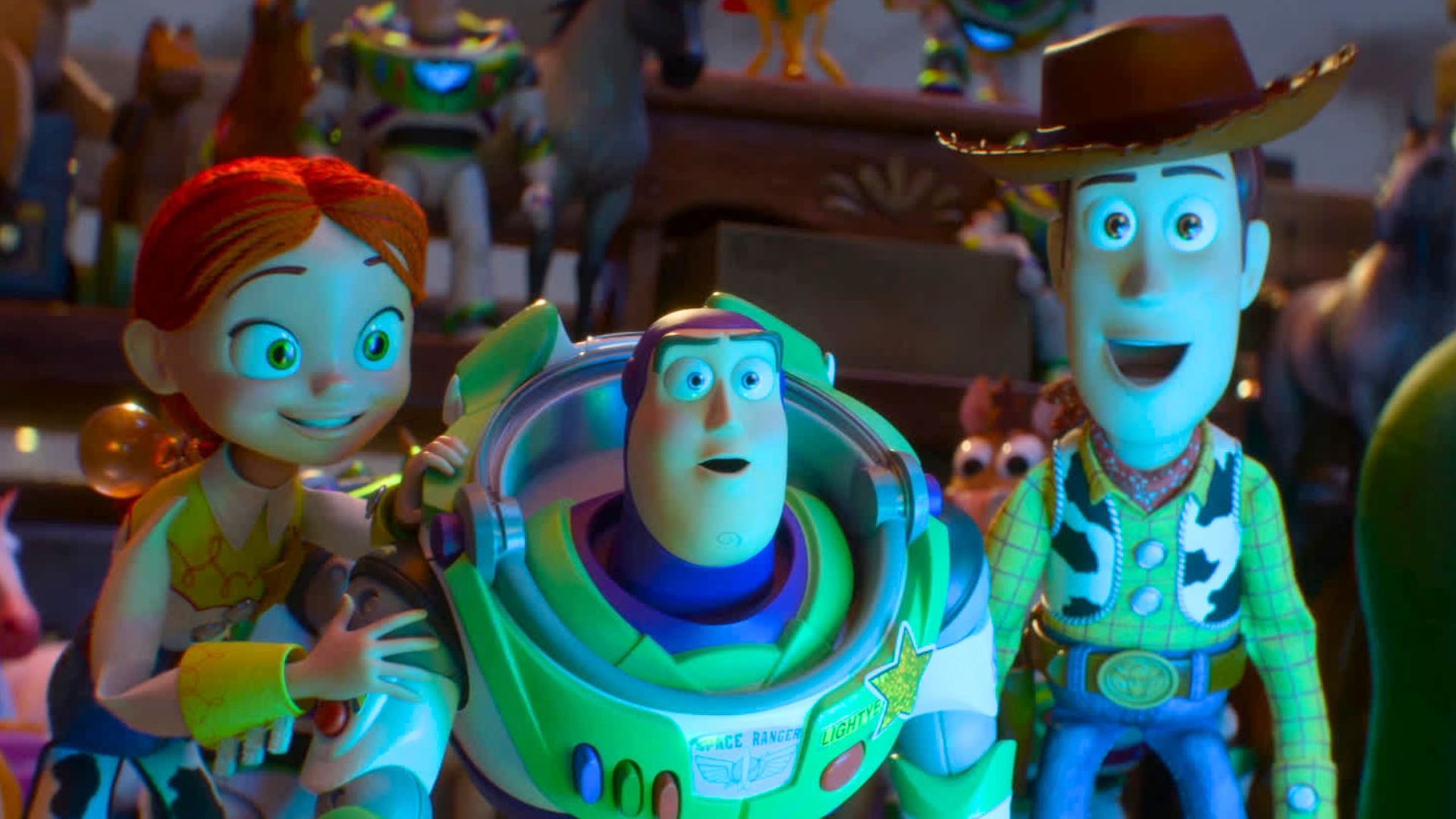
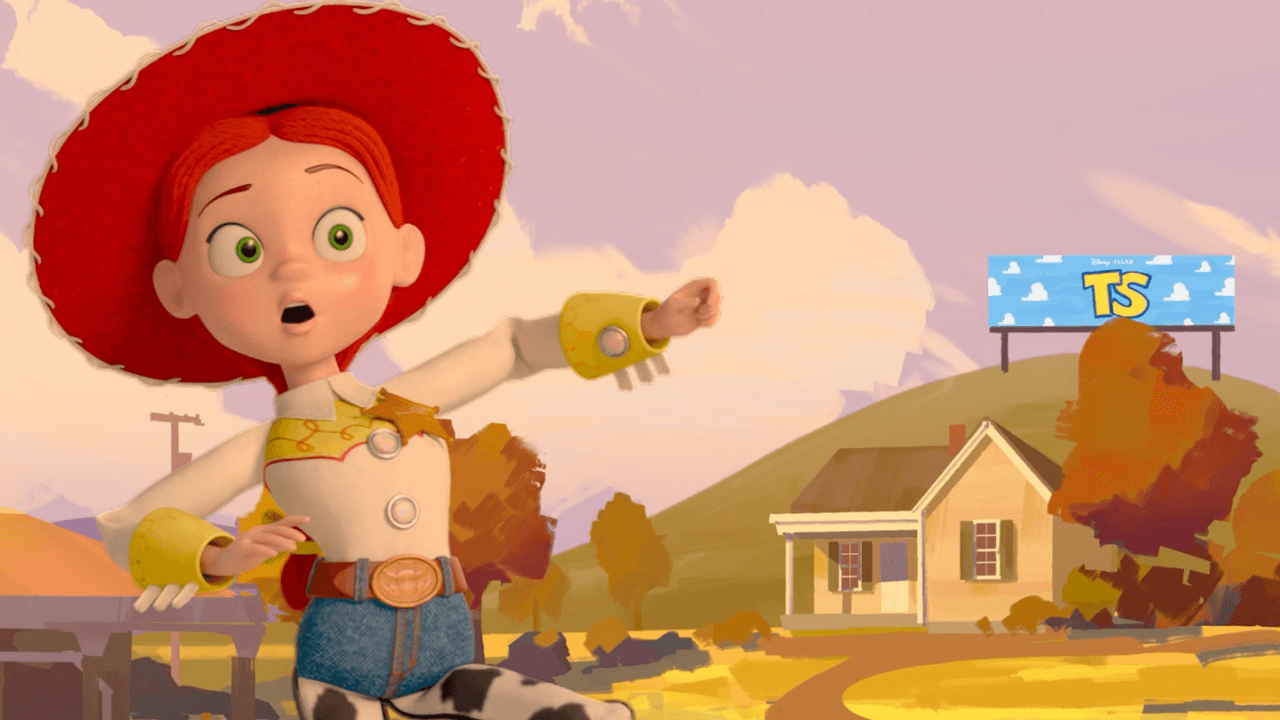
The return of core voice talent—Joan Cusack as Jessie, Tim Allen as Buzz, and Tom Hanks as Woody—underscores Disney’s deep institutional investment in preserving the authentic identity of the Toy Story franchise. This continuity is a deliberate strategy to ensure multigenerational appeal, captivating original fans while introducing the characters to new audiences. The judicious seven-year gap since the previous installment is a testament to Disney’s strategic IP management, preventing market oversaturation and ensuring each new entry feels significant and creatively justified. This measured release schedule maintains audience anticipation, solidifying the franchise’s status as a cultural touchstone vital for long-term brand equity.
Narrative Relevance: Addressing Modern Childhood & Digital Integration
Central to Toy Story 5‘s narrative is the exploration of technology’s evolving role in children’s lives, embodied by Lilypad, a kid-friendly tablet voiced by Greta Lee. This thematic choice transcends a mere plot device, representing a strategic engagement with contemporary societal shifts and the ongoing dialogue about screen time versus traditional play. By introducing a tech device as a narrative challenge, the film implicitly addresses the competitive pressures faced by traditional toy manufacturers and content creators in a digital-first world. This framing allows Disney to offer culturally relevant commentary on modern consumer behavior and parental concerns, potentially resonating with a broader audience and stimulating discussions beyond the cinematic experience itself.
Taylor Swift: A Strategic Catalyst for Global Reach and Brand Synergy
The release of “I Knew It, I Knew You,” co-written and co-produced by Taylor Swift and Jack Antonoff for Toy Story 5, represents a significant strategic alignment between a global music icon and a marquee entertainment franchise. This collaboration leverages Swift’s unparalleled cultural influence and dedicated fanbase to amplify the film’s promotional reach far beyond traditional advertising channels. Swift’s personal connection to the franchise, articulated through childhood admiration, lends an authentic narrative that deeply resonates with her audience, transforming a promotional tie-in into a compelling story of creative fulfillment that enhances both the film’s emotional appeal and Swift’s artistic brand.
The meticulously orchestrated rollout of Swift’s song, including pre-release buzz through leaked countdowns and social media announcements featuring vintage home videos, demonstrates a sophisticated understanding of digital marketing and fan engagement. By mobilizing her fanbase, Disney gains access to a demographic potentially less engaged with animated children’s films, creating potent cross-promotional synergy. This drives awareness and interest across diverse market segments, broadening the film’s commercial prospects and cultural impact. Furthermore, the availability of collector’s editions of the song on CD offers a direct monetization strategy for the musical component, generating additional revenue streams beyond streaming royalties, appealing to Swift’s dedicated collectors and fans of physical media. Swift’s description of the song as a “musical departure and coming home at the same time,” coupled with a reunion with country music themes, indicates a deliberate creative choice that aligns with the film’s narrative while catering to her evolving artistic identity, ensuring the contribution is integral to both the film and her career trajectory.
Swift’s established history of contributing to film soundtracks (e.g., 50 Shades Darker, Valentine’s Day, Hannah Montana: The Movie) demonstrates her consistent ability to enhance cinematic properties, making her a proven asset for studios seeking to maximize audience reach. Her recognition within the music industry, including her induction as the youngest person into a prestigious industry body, further solidifies her standing as an artist of significant influence. This institutional validation reinforces the strategic wisdom of Disney’s decision to collaborate with an artist whose creative output and market power are consistently acknowledged at the highest levels.
Integrated Ecosystem Dynamics and Long-Term Market Positioning
The comprehensive strategy surrounding Toy Story 5—encompassing its dual-platform release, narrative themes, and high-profile musical collaboration—illustrates Disney’s sophisticated management of its integrated entertainment ecosystem. This approach delivers multifaceted benefits across the corporation, from film production and distribution to streaming services and music publishing. The film serves as a tentpole release that drives theatrical attendance, enhances the value proposition of Disney+, and generates significant ancillary revenue through soundtrack sales and merchandise. This interconnectedness ensures that investments in a major IP like Toy Story yield optimal returns across the entire corporate structure, strengthening Disney’s competitive position in the global entertainment market.
In a highly competitive landscape, deploying a beloved franchise augmented by Taylor Swift’s star power provides Disney a distinct advantage. This multi-pronged approach enables the studio to cut through market noise, capture significant audience attention, and differentiate its offerings. The narrative focus on technology versus traditional play further positions Disney as a culturally relevant content provider capable of addressing contemporary issues within its storytelling, appealing to discerning parents and educators. Ultimately, the meticulous planning behind Toy Story 5 aims to extend the cultural resonance and long-term brand equity of one of Pixar’s most iconic creations. By balancing tradition with innovation, leveraging strategic partnerships, and optimizing distribution, Disney seeks to ensure the franchise remains a powerful driver of both financial performance and enduring emotional connection, becoming a significant cultural event that shapes consumer engagement and market dynamics for years to come.