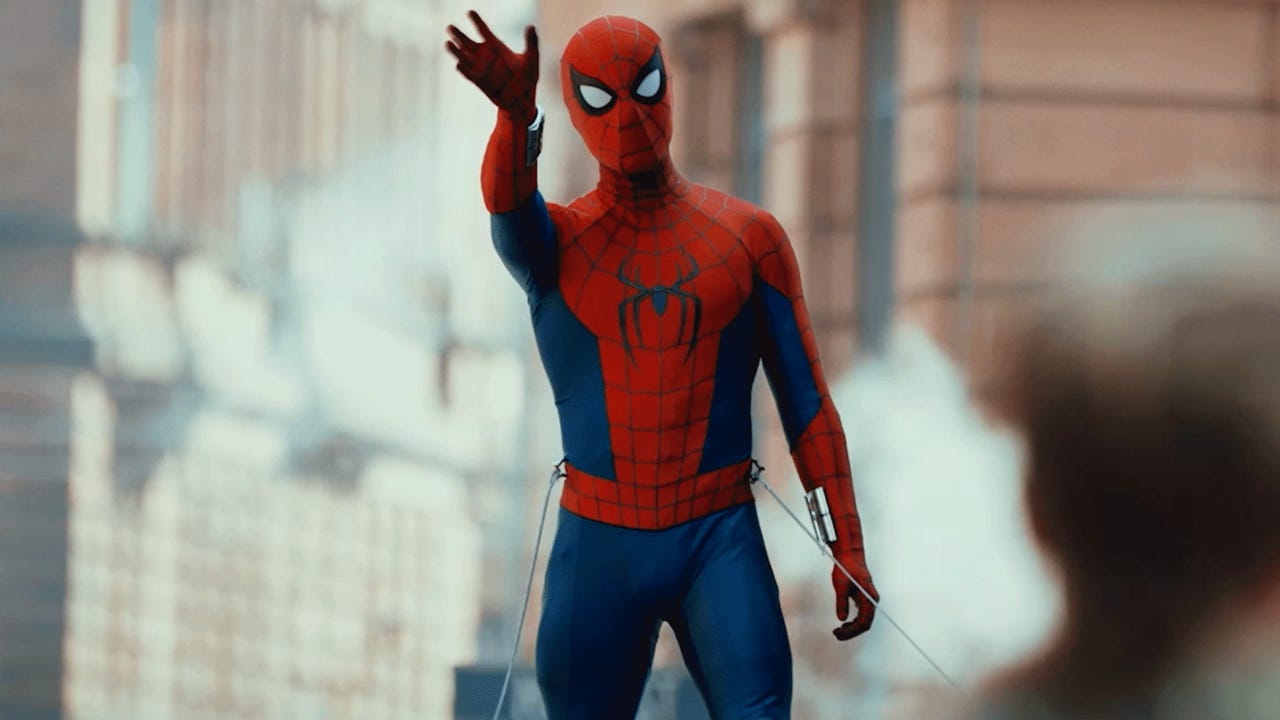
Tom Holland’s Elevated Creative Role Signals Strategic Evolution for Spider-Man Franchise
Tom Holland’s decade-long embodiment of Spider-Man now culminates in an expanded creative mandate for the forthcoming film, ‘Spider-Man: Brand New Day.’ This pivotal shift transcends the traditional actor-for-hire model, repositioning Holland as a co-architect in shaping the character’s long-term narrative trajectory and the franchise’s overarching strategy.
His direct integration into the writers’ room, a notable departure from prior engagements, underscores a deliberate studio strategy to leverage established star power and deep character intimacy for creative development. Regular bi-weekly meetings with producers, dedicated to ideation and ambition mapping, establish a robust collaborative framework designed to infuse authentic, performance-driven perspectives directly into the creative pipeline.
Operational & Strategic Implications of Enhanced Talent Collaboration
Integrating a lead actor into the core creative process carries profound operational and strategic advantages for a tentpole franchise. Operationally, this collaborative model streamlines script development by harmonizing performance nuances with narrative arcs from inception, effectively mitigating potential disconnects between actor interpretation and writer intent. This pre-emptive alignment can reduce iterative revisions, foster a more cohesive vision, and ultimately enhance character authenticity and audience immersion.
Strategically, empowering a central figure like Holland—who has successfully anchored the character across multiple blockbuster films—serves as a potent talent retention mechanism. Beyond financial compensation, it offers significant professional agency, creative fulfillment, and a sense of ownership crucial for fostering long-term commitment in multi-decade intellectual properties. This precedent also signals a willingness to adapt traditional production hierarchies, potentially redefining talent engagement models and future contractual negotiations across major cinematic universes.
Narrative Innovation: ‘Spider-Puberty’ and Evolving Character Arc
Holland’s instrumental role in conceiving a key plot point for ‘Brand New Day’—the concept of Peter Parker’s powers evolving in “unusual and unexpected ways,” humorously dubbed ‘Spider-Puberty’—demonstrates a strategic commitment to narrative innovation. This initiative directly addresses the inherent risks of stagnation in long-running superhero sagas, where characters can become predictable without continuous recontextualization. By exploring the protagonist’s loss of control and unexpected physical transformations, the franchise aims to sustain audience engagement through novel challenges, deeper psychological exploration, and a more relatable journey through adolescence’s complexities.
This creative direction aligns with modern audience demands for character depth and realism, even within fantastical genres. It allows for a fresh interpretation of Peter Parker’s struggles, moving beyond conventional villain confrontations to internal conflicts and personal growth. Furthermore, such evolving powers and character states unlock new merchandising avenues and cross-promotional opportunities, refreshing the brand’s commercial appeal alongside its artistic integrity.
Strategic Succession Planning & Franchise Longevity
Looking beyond ‘Brand New Day,’ Holland’s stated desire to “set up the next chapter” for the franchise, explicitly mentioning potential successors like Miles Morales, Spider-Gwen, or a broader “Spider-Woman” archetype, reveals a sophisticated, long-term strategic vision for the intellectual property. This proactive embrace of generational transition is critical for sustaining audience interest and expanding demographic reach within a competitive media landscape.
Introducing diverse Spider-people allows the universe to grow organically, tapping into varied cultural narratives and fan bases while preventing over-reliance on a single iteration of the character. This multi-character approach provides a robust framework for continuous narrative expansion, facilitating multiple concurrent storylines or a phased handover of the mantle. Financially, diversifying the Spider-Man universe with new protagonists opens distinct revenue streams through unique character arcs, merchandising lines, and potential spin-off projects, maximizing the brand’s overall value and ensuring its enduring cultural relevance.
Contractual Frameworks & Future Commitments
While the precise duration of Holland’s new Marvel contract remains undisclosed, the widespread expectation that ‘Brand New Day’ will inaugurate a fresh trilogy, coupled with Holland’s hope to return “several more times,” strongly indicates significant long-term commitments. These multi-film agreements represent substantial studio investments, securing a pivotal talent for years and establishing a predictable production pipeline—crucial for planning interconnected narratives and managing the complex logistics of a major cinematic universe.
For Holland, these extended commitments solidify his leverage and influence within the franchise, reinforcing his stature as a pivotal figure beyond his acting duties. This mutual interest in a prolonged partnership underscores the immense value placed on both his performance and his profound creative contributions. Such long-term talent agreements are critical components of a studio’s financial strategy, directly impacting market valuation, investor confidence, and projected box office returns by ensuring brand continuity and star power.
Adaptive IP Management in Contemporary Cinema
Holland’s expanded role and the Spider-Man franchise’s strategic direction exemplify the evolving paradigm of intellectual property management in contemporary cinema. Studios increasingly recognize that deep collaboration with key talent is not merely an artistic concession but a calculated business imperative for maintaining the cultural resonance and commercial viability of iconic characters. The stewardship of a multi-billion-dollar brand like Spider-Man demands a delicate balance between honoring established lore and introducing innovative elements that appeal to new generations, all while navigating fan expectations and competitive dynamics.
Actors who have embodied characters for a decade transcend mere performers; they become invaluable brand ambassadors and de facto creative consultants whose insights significantly shape public perception and future narrative direction. This model of shared creative responsibility fosters a stronger sense of authenticity and continuity, paramount for franchises spanning multiple films and potentially decades. Ultimately, the strategic decisions surrounding ‘Spider-Man: Brand New Day’ and Holland’s integral role within it reflect a proactive, adaptive approach to maintaining market leadership and narrative freshness, demonstrating how major studios are evolving their operational and creative models to ensure the long-term vitality of their most prized assets in a dynamic global entertainment landscape.