Extraterritorial Jurisdiction and Institutional Search Frameworks
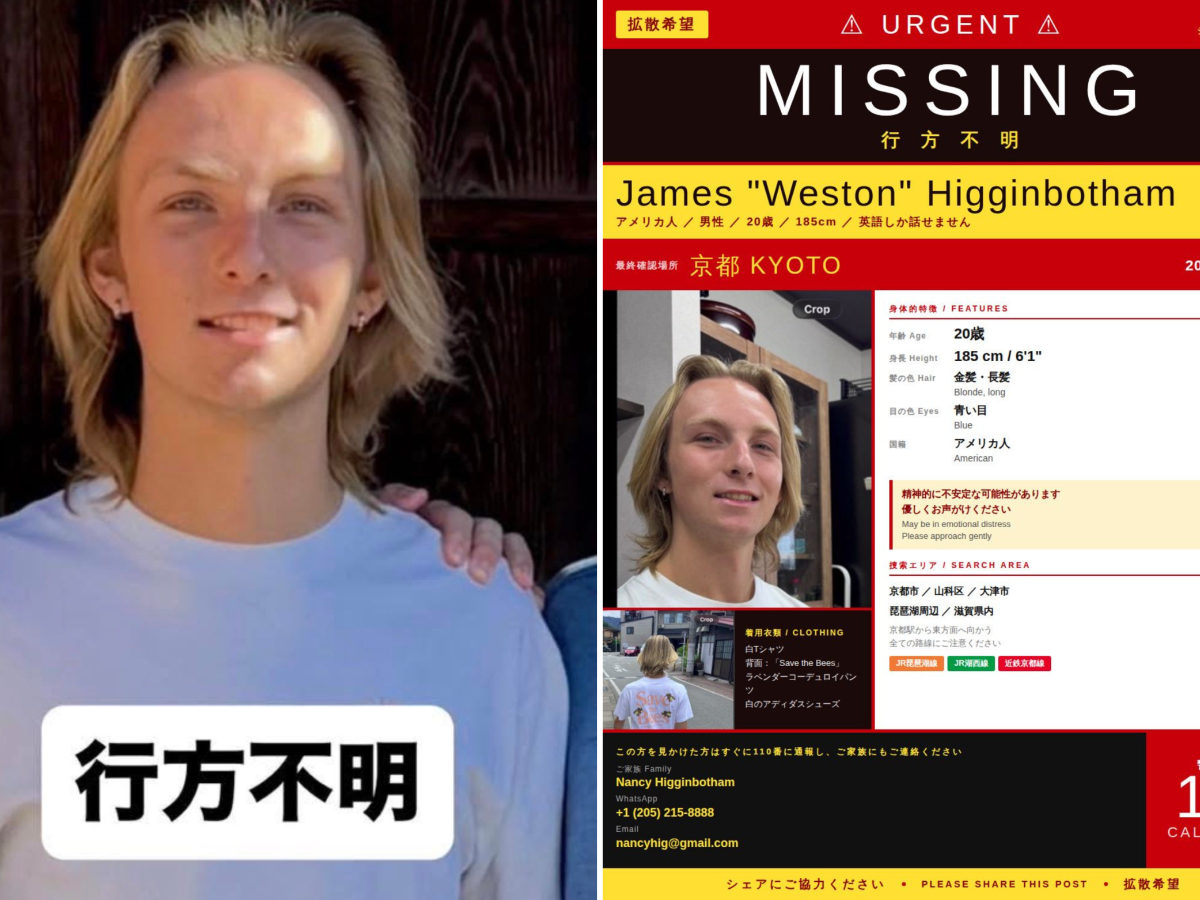
The disappearance of James ‘Weston’ Higginbotham, a 20-year-old Auburn University student, has activated a multi-layered investigative response involving Japanese law enforcement, the U.S. Department of State, and civilian networks. This case exemplifies the operational complexities of cross-border missing persons investigations, where success depends on the seamless synchronization of local forensic authority and international consular liaison.
Jurisdictional boundaries dictate that while the Kyoto Prefectural Police maintain primary command over physical search and digital evidence recovery, the U.S. Embassy serves as a vital conduit for data triaging. This institutional interplay is critical for managing the flow of intelligence between Alabama-based family members and on-the-ground authorities in Kyoto, mitigating the friction inherent in high-stakes international diplomacy.
Nodal Analysis: Yamashina Station as a Strategic Pivot
Yamashina Station, where Higginbotham was recorded on CCTV at approximately 8:15 p.m. on May 29, represents the primary forensic anchor of the investigation. As an intermodal transit hub connecting the Kyoto Municipal Subway with JR West’s Biwako and Kosei lines, the station serves as a gateway to both high-density urban centers and the rural periphery of Lake Biwa.
The search strategy hinges on a comprehensive review of surveillance data at this node to determine whether the subject re-boarded a train or exited toward local thoroughfares. The uncertainty of his trajectory from this junction necessitates a massive expansion of the search radius, requiring investigators to prioritize transit-based movement—a logistical challenge within Japan’s complex and highly efficient rail infrastructure.
Decentralized Intelligence and the Digital Mobilization Shift
The Higginbotham family’s aggressive use of social media indicates a strategic move toward open-source intelligence (OSINT) gathering. By targeting expat groups and local Japanese community networks, they have bypassed traditional media gatekeepers to establish a real-time, ground-level surveillance net. This crowdsourced approach leverages Japan’s high digital penetration to increase the probability of a sighting in areas where official alerts may have less visibility.
However, this decentralized model creates a significant data-management challenge. The family must filter a high volume of unverified leads, requiring a sophisticated intake process to ensure that only credible, actionable intelligence is passed to the Kyoto authorities. This effort to professionalize public leads is essential for maintaining the signal-to-noise ratio in an increasingly complex international inquiry.
Operational Focus on Transient Infrastructure and Natural Terrain
Investigative efforts have pivoted toward transient living spaces, including hotels, hostels, internet cafes, and 24-hour convenience stores. In Japanese urban centers, these locations are high-probability sites for individuals in transit seeking temporary shelter. Concurrently, the search includes the rugged terrain of the Lake Biwa area, accounting for Higginbotham’s background as an environmental science student.
This dual-track search—covering both dense urban infrastructure and secluded natural landscapes—places an immense burden on local resources. The strategic decision to involve the public in monitoring these specific environments is an attempt to augment official patrols with a comprehensive, community-driven net of observation.
Socio-Cultural Diplomacy and Case Sustainability
The family’s public appeals serve a dual tactical purpose: maintaining the emotional momentum required for resource allocation and fostering local goodwill. In the competitive landscape of international news, visibility is the primary currency for ensuring continued institutional support. By expressing gratitude to the Japanese public, the family bridges cultural gaps, encouraging proactive cooperation from a society that values collective responsibility and social harmony.
Furthermore, the long-term sustainability of the search depends on a robust support network to offset the financial and logistical costs of an extended overseas operation. The visibility of the case ensures that diplomatic and academic institutions, including Auburn University, remain engaged, providing a global safety net that may ultimately serve as a case study for future international missing persons protocols.