
Strategic Realignment for Market Volatility
Mattamy Homes is transitioning its operational model toward six-storey prefabricated housing units. This pivot addresses the persistent real estate downturn in the Greater Toronto Area (GTA), marked by record-low sales volumes and decelerated construction starts. CEO Brad Carr identifies this shift as a necessary departure from traditional methodologies to meet the demands of a constrained buyer pool while targeting the ‘missing middle’ housing segment.
Data-Driven Capital Allocation
The move follows 18 months of intensive consumer research aimed at isolating decision-making variables in the current high-interest rate environment. By utilizing granular insights into livable space preferences, the firm aims to mitigate the risks associated with speculative development. This data-centric strategy allows the company to align its capital deployment with contemporary affordability requirements rather than relying on historical building patterns.
Hedge Against Long-Term Supply Deficits
With projections indicating a critical housing deficit in the region by 2029, the firm is leveraging prefabricated construction as a hedge against structural supply bottlenecks. Standardizing components and accelerating construction timelines serve to mitigate labor shortages and inflationary pressures that historically erode residential project margins.
Policy Integration and Market Accessibility
While federal and provincial fiscal interventions—such as tax rebates and reduced development charges—provide essential market stimuli, Carr emphasizes that these measures are not a panacea. The firm’s strategy pairs these incentives with a disciplined focus on delivering architecturally viable, financially accessible units, ensuring that policy support effectively translates into tangible housing availability.
Operational Efficiency Through Industrialization
Moving from sequential, site-built construction to parallel, off-site manufacturing represents a shift toward industrialization. This methodology provides greater predictability in delivery timelines and cost structures—critical variables when market fluctuations threaten project viability. By controlling these operational vectors, the firm aims to sustain sales velocity while addressing the broader affordability crisis through strategic incentive programs.
Long-Term Institutional Resilience
Mattamy’s focus on off-site manufacturing mirrors a broader industry trend toward modernizing construction through industrial processes. By diversifying its building capabilities, the firm is positioning itself to navigate the cyclical nature of the real estate market. The success of this prefab pivot may eventually establish new regional development benchmarks, forcing competitors to re-evaluate traditional construction reliance as they navigate the lead-up to 2029.

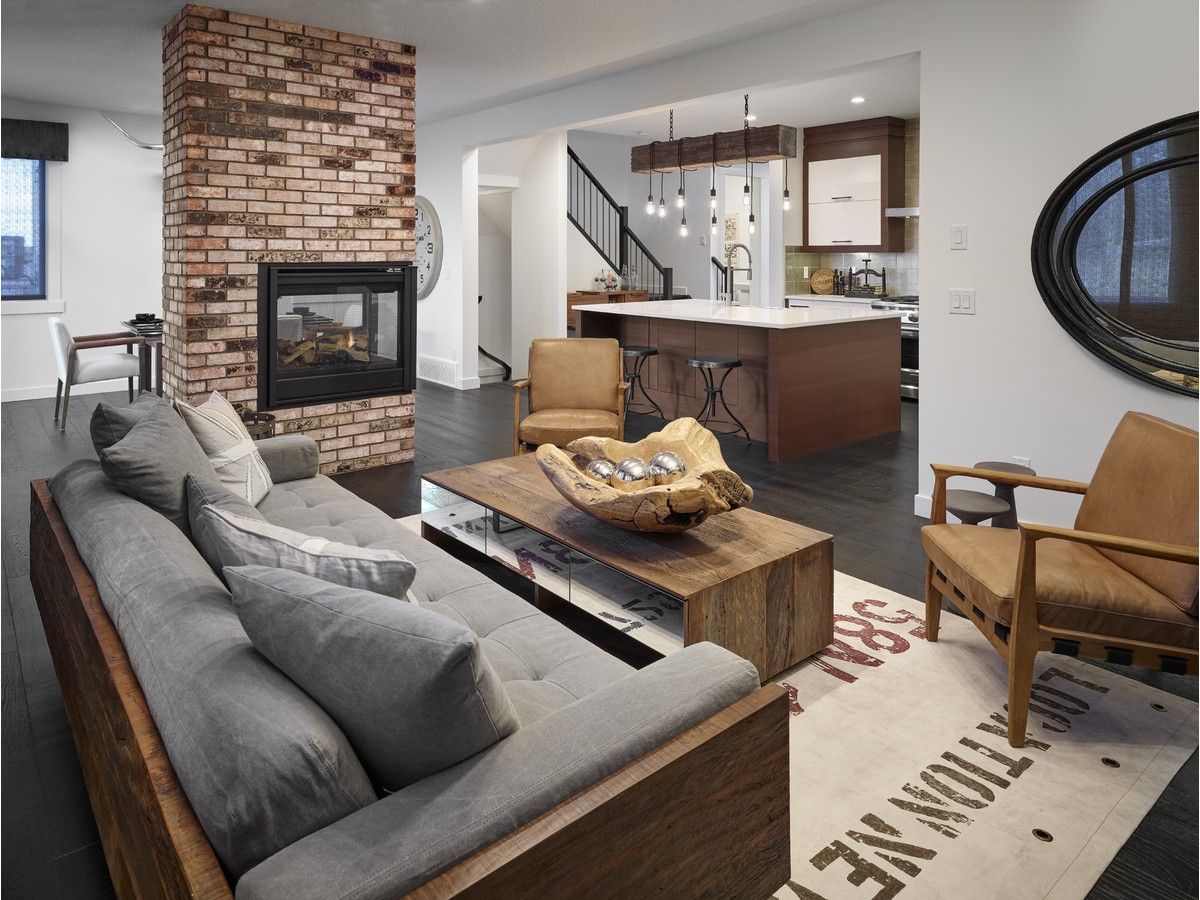
Photo by Dragon77 on Pixabay.