
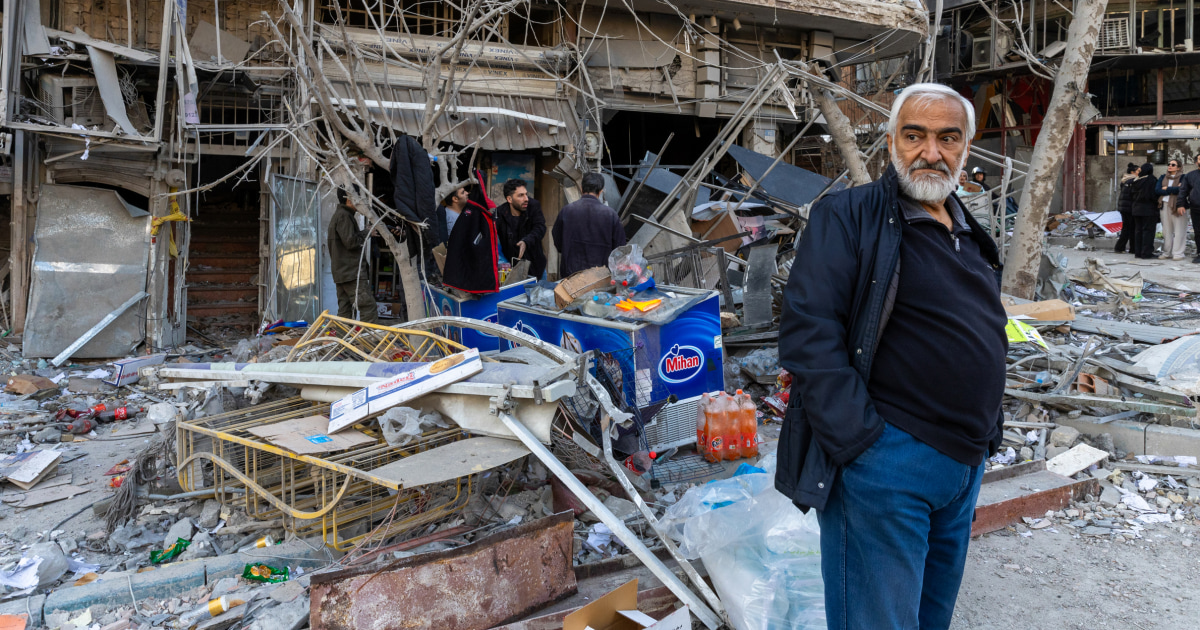
The simultaneous closure of United States embassies in Saudi Arabia, Kuwait, and Lebanon represents an unprecedented contraction of American diplomatic infrastructure in the Middle East. This strategic retrenchment, triggered by a series of drone attacks, signals a systemic reassessment of the security landscape. The State Department’s directive for non-emergency personnel to evacuate six Gulf states suggests that Washington is transitioning from active diplomacy to a posture of kinetic containment, preparing for a period of sustained regional instability.
Strategic Implications of the Diplomatic Vacuum
By withdrawing personnel and advising private citizens to depart, the U.S. is effectively signaling a breakdown in de-escalation channels. This vacuum in engagement often precedes a shift toward military-led operations. The Gulf Cooperation Council (GCC) nations, traditionally the bedrock of global energy security and U.S. logistical support, are now positioned as front-line theaters in the escalating friction between Washington and Tehran. This shift complicates the operational continuity of regional security partnerships and places immense strain on the U.S.-led maritime and energy defense frameworks.
Tactical Evolution: Territorial Seizure and Industrial Attrition
Israel’s transition to ground operations in Lebanon marks a pivot from standoff airstrikes to territorial seizure, aiming to establish a physical buffer zone to degrade Hezbollah’s launch capabilities. Simultaneously, the targeting of missile production facilities in Tehran reflects a broader strategy of industrial attrition. By striking the Iranian capital during sunset, the operation achieved maximum psychological impact, exposing vulnerabilities in Iranian air defense systems and signaling a breach in the regime’s domestic security umbrella.
Economic Volatility and Global Supply Chain Risks
Global energy markets have responded with immediate volatility to the drone strikes on U.S. diplomatic interests and the broader threat to the Strait of Hormuz. Investors are pricing in a prolonged period of risk as critical energy infrastructure moves from theoretical to tangible targeting. Beyond oil prices, the disruption of air and shipping routes increases logistics and insurance premiums, creating a feedback loop where market instability may dictate the political threshold for continued military engagement.
Asymmetrical Casualties and Humanitarian Metrics
The Iranian Red Crescent’s report of nearly 800 fatalities within four days highlights a severe humanitarian asymmetry. In contrast, Israeli reporting indicates 11 deaths, underscoring the effectiveness of the Iron Dome and Arrow missile defense systems. These casualty figures serve as critical data points for international observers, potentially driving a narrative shift in global forums that could increase diplomatic pressure for a ceasefire despite the current military momentum.
Domestic Political Strategy and Munitions Sustainability
The divergent messaging within the U.S. administration—with President Trump citing the capacity for a long-term munitions-backed conflict and Secretary Hegseth promising it will not be “endless”—reveals a tension in the strategic exit plan. The concept of “phased operations” allows for calibrated escalation, yet it relies heavily on the sustainability of the defense industrial base. The high expenditure of precision-guided munitions and defensive interceptors necessitates a war of attrition logic that the U.S. must balance against global strategic commitments.
Regime Stability and Internal Dissent
The shift in rhetoric toward supporting “internal” political change in Iran indicates that U.S. objectives have expanded beyond simple deterrence. By targeting the capital and suggesting a preference for internal leadership shifts, the strategy aims to exacerbate existing divisions within the Iranian political and military elite. This pressure forces the regime to choose between a high-cost external escalation or a potentially destabilizing internal retreat from its regional proxy network.

Photo by bobby-sun on Pixabay.