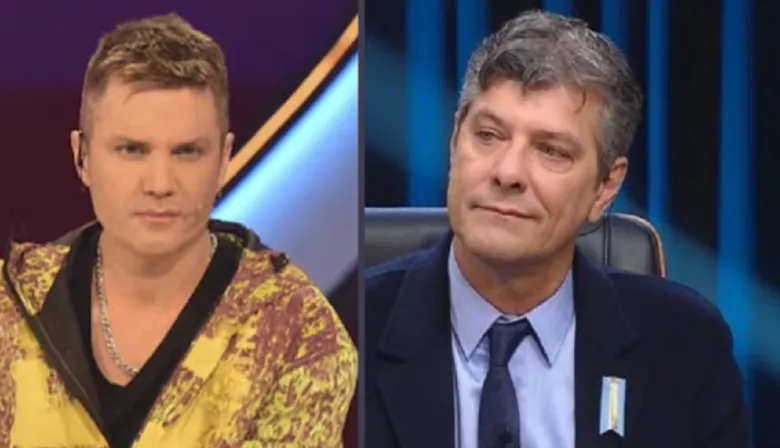
The strategic recalibration of Gran Hermano Generación Dorada illustrates the operational agility required to sustain dominance in a volatile media ecosystem. Following the involuntary exit of Andrea del Boca due to a dental injury, Telefe executed a rapid pivot by integrating Grecia Colmenares—an international icon with significant legacy value. This move transcends simple replacement; it is a calculated effort to stabilize the program’s narrative arc and ensure demographic continuity within the ‘Golden Generation’ framework.
Operational Continuity and the Diva Archetype
Telefe’s selection of Colmenares underscores a production strategy that leverages the ‘diva’ archetype to anchor audience engagement. By utilizing a Venezuelan actress with deep historical resonance in the Argentine market, the network mitigated risks associated with the sudden loss of a primary protagonist. This replacement strategy ensures that the show’s value proposition—amalgamating nostalgia with contemporary conflict—remains optimized despite unforeseen physical liabilities on set.
Colmenares’ entry functions as a catalyst for multi-platform discourse, serving as a secondary revenue driver. The proactive response from her former husband, Marcelo Pelegri, exemplifies how external stakeholders influence the narrative ecosystem. These interactions create a feedback loop that sustains viewer interest during transition periods between major competitive events.
Financial Transparency as Reputational Insurance
The disclosure by Marcelo Pelegri regarding the couple’s $100 divorce provides rare insight into the financial management of high-profile celebrity assets. By securing a low-cost, friction-free agreement, the parties bypassed the legal scrutiny typically associated with high-net-worth dissolutions. This efficiency suggests a strategic consensus on asset distribution aimed at preserving reputational capital over protracted litigation.
In the context of reality television, where past controversies are frequently weaponized, this preemptive transparency acts as a form of reputational insurance. By neutralizing potential narratives of financial scandal before they can gain traction, Colmenares can focus on the game’s internal dynamics rather than defending external historical baggage.
Competitive Analysis: Rating Disparity and Market Share
The performance gap between Gran Hermano and counter-programming efforts, such as Mario Pergolini’s Otro día perdido, reveals a stark consolidation of audience attention. With a 14.0 rating average, Telefe maintains a commanding lead that marginalizes competitors. Pergolini’s struggle to capture more than 4.7 points, despite high-profile guests like Ricky Sarkany, indicates a structural challenge for talk-based variety formats in prime-time slots.
This data suggests that the Argentine audience currently favors immersive, high-stakes reality environments over traditional interview formats. This disparity forces advertisers to choose between the broad reach of a market leader and the niche, albeit struggling, alternatives. The success of the ‘Generación Dorada’ iteration confirms the longevity of recycling legacy stars to reduce talent development costs while leveraging established fan bases.
Institutional Implications for Telefe
Telefe’s ability to command the market without significant competition reinforces its status as a primary arbiter of regional popular culture. While the reliance on older celebrities introduces specific operational risks—as seen with Del Boca—the integration of Colmenares proves the network has a robust contingency framework. As the season progresses, the ability to navigate personal histories through transparent communication will remain a critical success factor in maintaining this ratings hegemony.