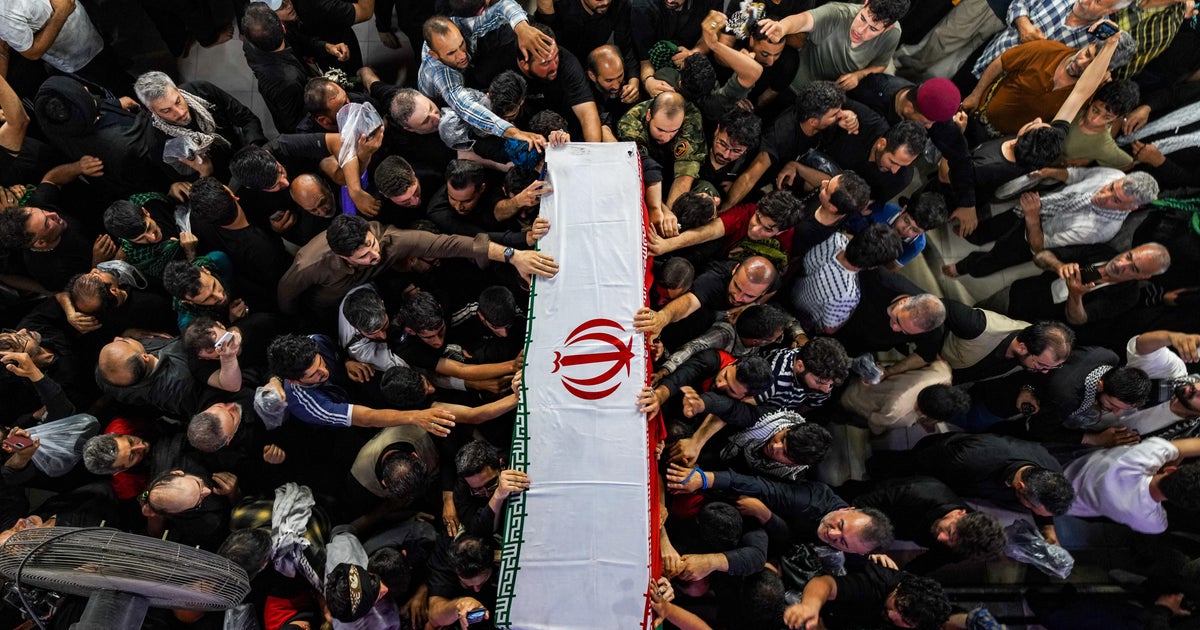
The military confrontation in the Strait of Hormuz has escalated, threatening global maritime trade routes and international energy security. Statements from Iran’s Islamic Revolutionary Guard Corps indicate that naval assets targeted two oil tankers attempting passage under United States military air escort. This development highlights vulnerabilities in critical maritime choke points when bilateral military deterrence fails.
Markets reacted immediately to the effective constriction of the waterway, with Brent crude benchmarks surging past ninety dollars per barrel. This price velocity reflects structural anxiety among institutional energy traders regarding sustained supply disruptions originating in the Persian Gulf. As maritime traffic diverts under competing blockade strategies enforced by regional and global actors, industrial consumers face severe input cost pressures.
Transit maneuvering in the strait now involves explicitly mapped lanes carrying extreme kinetic risk for commercial shipping operators. Iran maintains an aggressive posture against vessels utilizing routes near the coast of Oman, while United States forces enforce restrictions against unauthorized traffic. Commercial fleet operators navigate an increasingly hazardous geopolitical environment where naval escorts offer no absolute operational immunity.
Strategic Implications for Military and Political Leadership
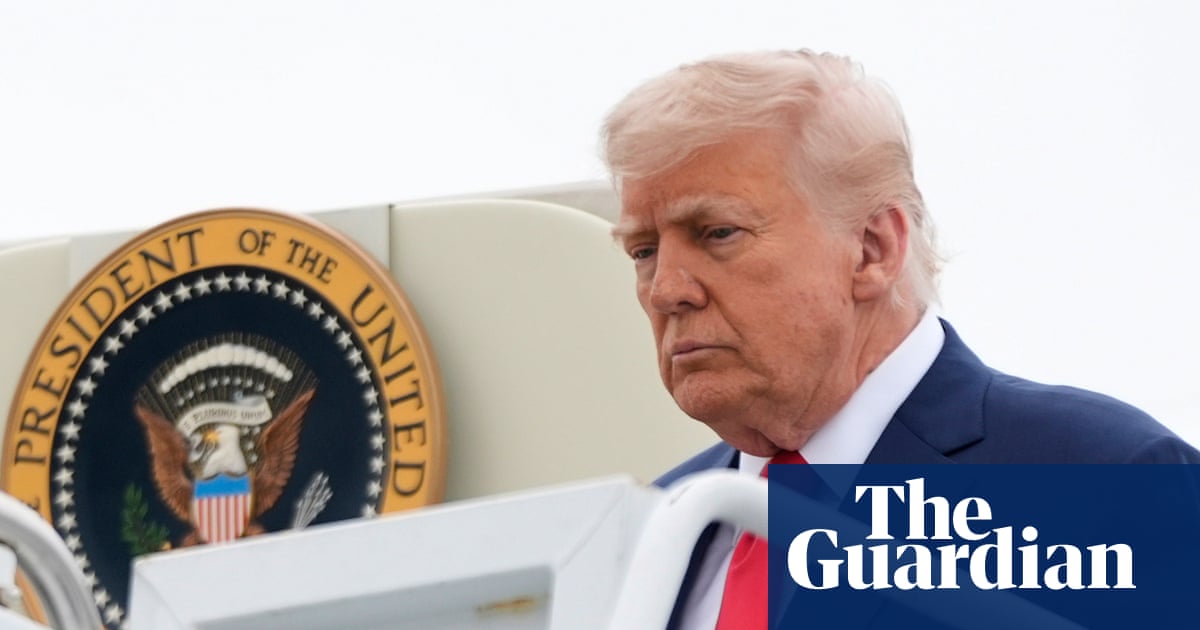
The conflict places intense political pressure on executive administrations amidst approaching domestic electoral cycles. Legislative friction within the United States Senate illustrates institutional divisions regarding executive war powers authorization. A narrow procedural vote rejecting limitations on presidential military authority underscores constitutional tensions surrounding unconstrained conflict management.
Cabinet-level deliberations grapple with the compounding economic fallout of sustained military operations and rising inflation. Energy price volatility influences macroeconomic indicators, complicating monetary policy and eroding consumer purchasing power. Strategic planners must balance long-term geopolitical objectives against immediate economic vulnerabilities driven by constrained petroleum supplies.
Secondary theaters of operation continue to draw vital military resources and complicate regional deterrence calculations. Reported drone strikes targeting United States military facilities at Ahmad al-Jaber Air Base in southern Kuwait demonstrate asymmetric vulnerabilities facing stationed assets. The absence of immediate formal commentary from United States Central Command highlights the operational opacity accompanying retaliatory cycles.
Broader Middle East Security Dynamics and Infrastructure Exposure
The conflict intersects with localized ground operations carrying strategic weight. Israeli forces executed extensive detonations near Beaufort Castle in southern Lebanon, targeting underground infrastructure attributed to Hezbollah. These structural demolitions reflect a systematic campaign to degrade cross-border militant capabilities.
State media reports from Lebanon detail the scale of nocturnal explosions around the fortress, emphasizing the intensity of the northern front. The synchronization of ground engagements with the Persian Gulf maritime standoff illustrates a multi-domain conflict architecture that stretches regional defense frameworks and complicates diplomatic interventions.
The exposure of critical energy infrastructure and transport corridors reinforces the systemic fragility of modern commodity supply chains. Insurers and maritime logistics providers dynamically reevaluate risk premiums, pricing smaller independent operators out of the region. This structural attrition threatens to permanently alter trade routing economics.
Economic Transmission Mechanisms and Market Resilience
The transmission of geopolitical shocks into physical commodity markets underscores the inelastic short-term demand profile of global crude oil. With transit through the Strait of Hormuz restricted, refining operations face immediate feedstock shortages that cannot be easily mitigated by alternative overland pipelines. The reliance of major Asian and European economies on Persian Gulf energy exports magnifies the systemic cost.
Financial institutions and energy conglomerates are actively reassessing capital expenditure models in response to heightened physical security risks. Investment flows into regional infrastructure face scrutiny, potentially delaying long-term capacity expansion projects across the Middle East. Consequently, capital is redirected toward secure producing regions, altering global energy supply geography.
The convergence of military escalation, legislative gridlock, and commodity inflation creates a complex environment for institutional decision-makers. Stakeholders across logistics, insurance, and energy sectors operate under extreme uncertainty where historical risk models offer limited predictive value. Resolution of the crisis depends on the evolution of military deterrence and the resilience of global macroeconomic buffers.