Franchise Ascendancy Amidst Shifting Market Dynamics
The recent opening of “Spider-Man: Brand New Day” with a colossal $360 million domestic gross has unequivocally cemented the franchise’s market leadership and resilience. This debut not only established an all-time record for an opening weekend but also significantly outperformed prior benchmarks, indicating a profound resurgence in audience engagement for the iconic character.
This financial triumph occurs at a crucial time, following a period where numerous high-profile superhero films experienced underperformance. The sustained, and in this instance, amplified, commercial appeal of Spider-Man suggests a distinct market segmentation and a robust brand equity that insulates it from broader industry headwinds. This performance highlights the strategic advantage of intellectual properties that consistently meet and exceed audience expectations, irrespective of prevailing market sentiment.
Strategic Value of Enduring Brand Equity
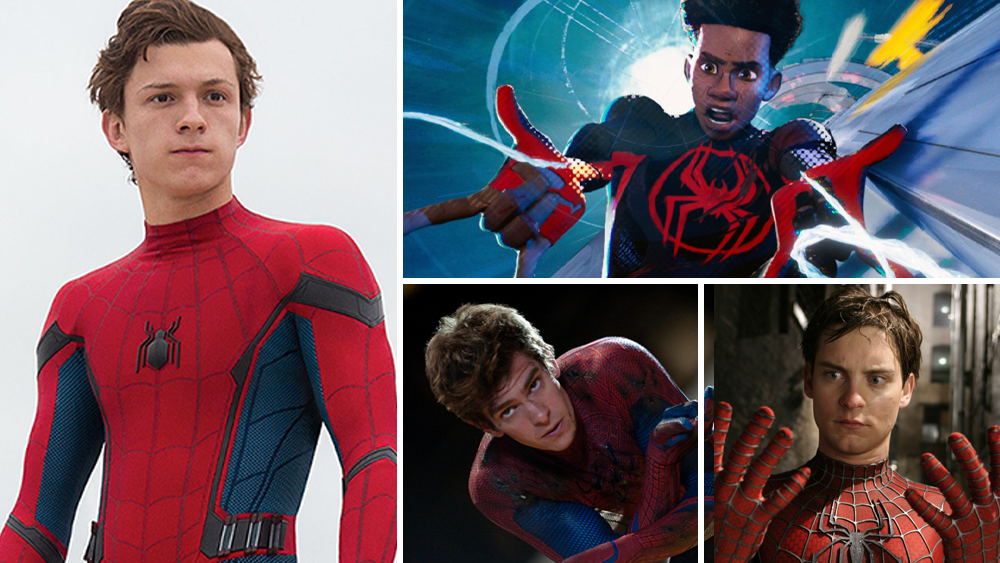
The consistent success of Tom Holland’s Spider-Man, with four of the franchise’s highest-grossing opening weekends now attributed to his tenure, underscores a powerful synergy of widespread character recognition and strategic integration within a larger cinematic universe. The franchise’s capacity to generate such substantial opening weekend revenue, even across multiple iterations and reboots, signifies a deep, intrinsic consumer connection that transcends individual film cycles.
This consistent generation of high-value content affords considerable leverage for its parent entities, influencing capital allocation and partnership strategies across the entertainment sector. The demonstrated absence of “Spider-Man fatigue” indicates that the core appeal remains exceptionally robust, supporting continued investment in novel narrative arcs and character explorations without immediate apprehension of market saturation.
Synergistic Performance Across Media Platforms
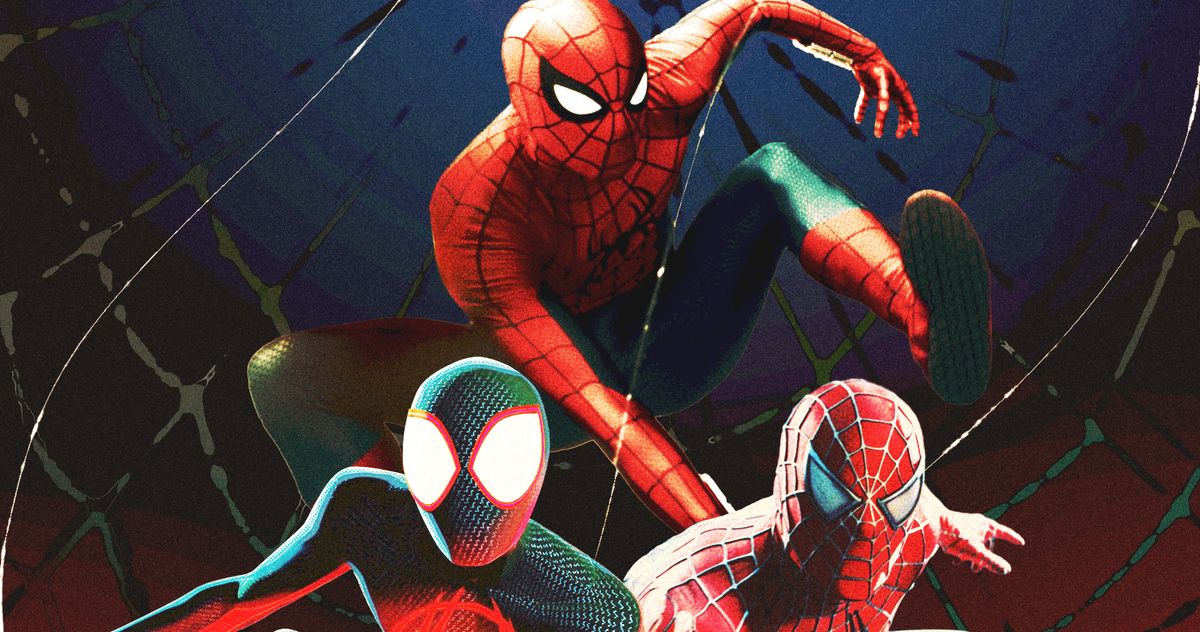
The triumph of “Spider-Man: Brand New Day” is significantly contextualized by the preceding critical and commercial success of its animated counterparts, notably “Spider-Man: Across the Spider-Verse” and the Academy Award-winning “Spider-Man: Into the Spider-Verse.” This dual success across live-action and animation validates a multifaceted brand strategy adept at engaging diverse audience segments and reinforcing the character’s pervasive cultural presence.
The mythos-expanding narratives within the animated features have demonstrably amplified the brand’s overall strength, creating fertile ground for subsequent live-action installments. This cross-pollination of creative achievements signifies a sophisticated approach to franchise management, wherein innovation in one medium directly fuels demand and critical reception in another.
Historical Trajectory and Market Invincibility
The “Spider-Man” film franchise, spanning over two decades and encompassing numerous reboots and distinct cinematic universes, has adeptly navigated significant industry shifts and creative transformations. Its persistent ability to rebound and achieve record-breaking success, as evidenced by “Brand New Day,” points to an inherent structural advantage in its intellectual property and a proven track record of deep audience engagement.
This historical pattern of remarkably resilient performance suggests that the fundamental elements of the Spider-Man narrative and character resonate profoundly, enabling the franchise to absorb creative risks and withstand market fluctuations. The strategic decisions made in adapting the character across different eras and platforms have demonstrably cultivated a robust and enduring commercial foundation.
Stakeholder Incentives and Risk Mitigation Strategies
For studios and distributors, the consistent box office returns from the Spider-Man franchise constitute a vital revenue stream and a powerful tool for mitigating financial risk in the volatile entertainment market. The established brand equity functions as a significant pre-sale and marketing advantage, thereby reducing the financial exposure associated with large-scale production budgets.
Conversely, over-reliance on such a high-performing asset can concentrate risk. A failure of future installments to meet these elevated expectations could precipitate substantial financial repercussions, impacting subsequent investment decisions and potentially signaling a shift in audience appetite. Nevertheless, the current trajectory strongly supports continued investment and aggressive marketing initiatives.
Competitive Positioning and Franchise Asset Value
Within a competitive landscape increasingly defined by established intellectual properties, the enduring success of Spider-Man reinforces its status as a premier entertainment asset. Its consistent delivery of top-tier box office performance distinguishes it from other franchises and informs strategic decisions regarding content development and intellectual property acquisition across the industry.
The financial leverage generated by “Brand New Day” and its predecessors enables greater creative latitude and investment in ambitious storytelling, further solidifying its market leadership. This cyclical reinforcement of success erects a significant barrier to entry for emerging properties and consolidates market power among established, high-performing franchises.
Audience Connection and Narrative Evolution
The sustained audience enthusiasm, notwithstanding numerous iterations of the character, suggests a profound connection to Spider-Man’s core themes, which resonate across generational divides. The franchise’s adeptness at evolving its narrative while retaining its fundamental appeal is a principal driver of its long-term viability and commercial success.
Its successful integration into the Marvel Cinematic Universe, complemented by independent animated ventures, exemplifies strategic flexibility that broadens its appeal. This multi-pronged narrative approach ensures the character remains relevant and engaging for a diverse and evolving global audience.
Financial Leverage and Investment Calculus
The record-shattering performance of “Spider-Man: Brand New Day” equips studios with significant financial leverage, facilitating ambitious production and marketing strategies for forthcoming projects. The substantial revenue generated can effectively offset the high costs inherent in blockbuster filmmaking and provide essential capital for further intellectual property development.
This consistent financial windfall informs investment decisions, potentially prioritizing projects that leverage similar brand recognition and a proven audience draw. The success of Spider-Man serves as a compelling case study illustrating the enduring value of well-managed, iconic intellectual properties within the global entertainment market.
Market Dynamics and the Premium on Quality Content
The exceptional box office performance of “Brand New Day” actively challenges prevailing notions of “superhero fatigue,” indicating a discerning audience that rewards quality execution and compelling narratives. This suggests that market saturation is less a function of genre and more contingent on a specific content’s ability to captivate audience imagination and deliver a high-value entertainment experience.
Spider-Man’s consistent ability to draw large theatrical audiences, even in an era saturated with diverse content consumption options, underscores the enduring power of the cinematic event. This reinforces the strategic imperative of theatrical releases for major franchises, as they remain a primary driver of revenue and cultural impact.
Franchise Durability and Strategic Agility
The “Spider-Man” film franchise’s remarkable longevity, characterized by its capacity to adapt and thrive through various cinematic eras and ownership structures, is a testament to its strategic agility. From its early independent productions to its current integral role within a major cinematic universe, the character has consistently identified and capitalized on new avenues for success.
This historical pattern of reinvention and sustained relevance points to a robust framework for intellectual property management capable of engaging new generations of viewers while retaining the loyalty of established fans. The franchise’s inherent capacity for such evolution is a critical determinant of its position as a remarkably indestructible market force.
Industry Benchmarking and Performance Re-evaluation
The record-shattering opening of “Spider-Man: Brand New Day” recalibrates industry benchmarks for blockbuster success. It establishes a new high-water mark against which future tentpole releases will inevitably be measured, influencing production budgets, marketing expenditures, and release strategies sector-wide.
This event also serves as a potent indicator for investors and studio executives regarding the sustained commercial viability of superhero narratives when executed with exceptional quality. The financial implications extend beyond individual film performance, shaping broader strategic planning and capital deployment within the global entertainment industry.
Animation’s Role in Enhancing Brand Synergy
The critical and commercial success of animated Spider-Man films, including “Into the Spider-Verse” and “Across the Spider-Verse,” has demonstrably amplified the brand’s overall appeal. These projects, lauded for their innovative visual styles and narrative depth, have broadened the character’s audience base and reinforced its cultural significance.
This synergy between live-action and animated content fosters a robust ecosystem for the Spider-Man brand, enabling diverse creative expressions that collectively fortify its market standing. Success in animation provides a vital platform for exploring novel storytelling techniques and character nuances that can subsequently inform and invigorate live-action productions.
The Enduring Power of Iconic Characters
Spider-Man’s consistent ability to achieve record-breaking box office success, even after decades of cinematic presence, highlights the enduring power of iconic characters. This phenomenon suggests that a strong, relatable protagonist with a compelling narrative arc can transcend market trends and audience fatigue.
The franchise’s success underscores a critical strategic imperative for the entertainment industry: cultivating and nurturing deeply resonant intellectual properties. Such assets provide a stable foundation for revenue generation and offer significant creative latitude for innovation and expansion.
Capital Investment Justification and Risk Allocation Dynamics
The substantial financial returns generated by “Spider-Man: Brand New Day” serve as a compelling justification for continued, and potentially increased, capital investment in the franchise. This financial validation enables greater creative risk-taking, as the established audience base provides a significant buffer against potential commercial underperformance.
For stakeholders, this translates into a more secure investment profile compared to ventures involving unproven properties. The consistent performance of Spider-Man facilitates more predictable revenue forecasting, influencing broader financial strategies and portfolio management within the involved studios.
Market Resilience and Franchise Value Proposition Reinforcement
The “Spider-Man” franchise’s consistent delivery of blockbuster results, even when other superhero films falter, demonstrates a unique market resilience. This resilience significantly elevates the brand’s value proposition, positioning it as a cornerstone asset for its custodians within the highly competitive entertainment landscape.
The sustained commercial strength of Spider-Man influences strategic decisions concerning cross-promotional opportunities, merchandise licensing, and theme park attractions. Its unwavering popularity provides a powerful platform for extending brand reach and maximizing revenue across multiple business verticals.