Sony Pivots to Niche IP Monetization Following ‘Last of Us’ Success
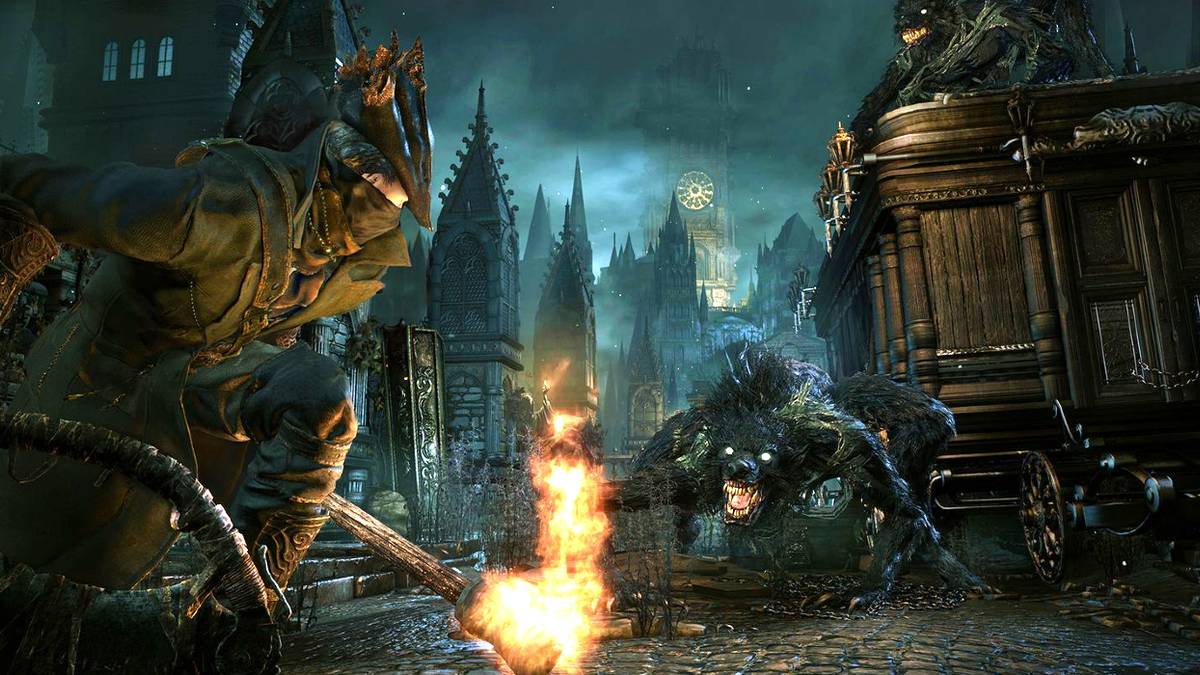
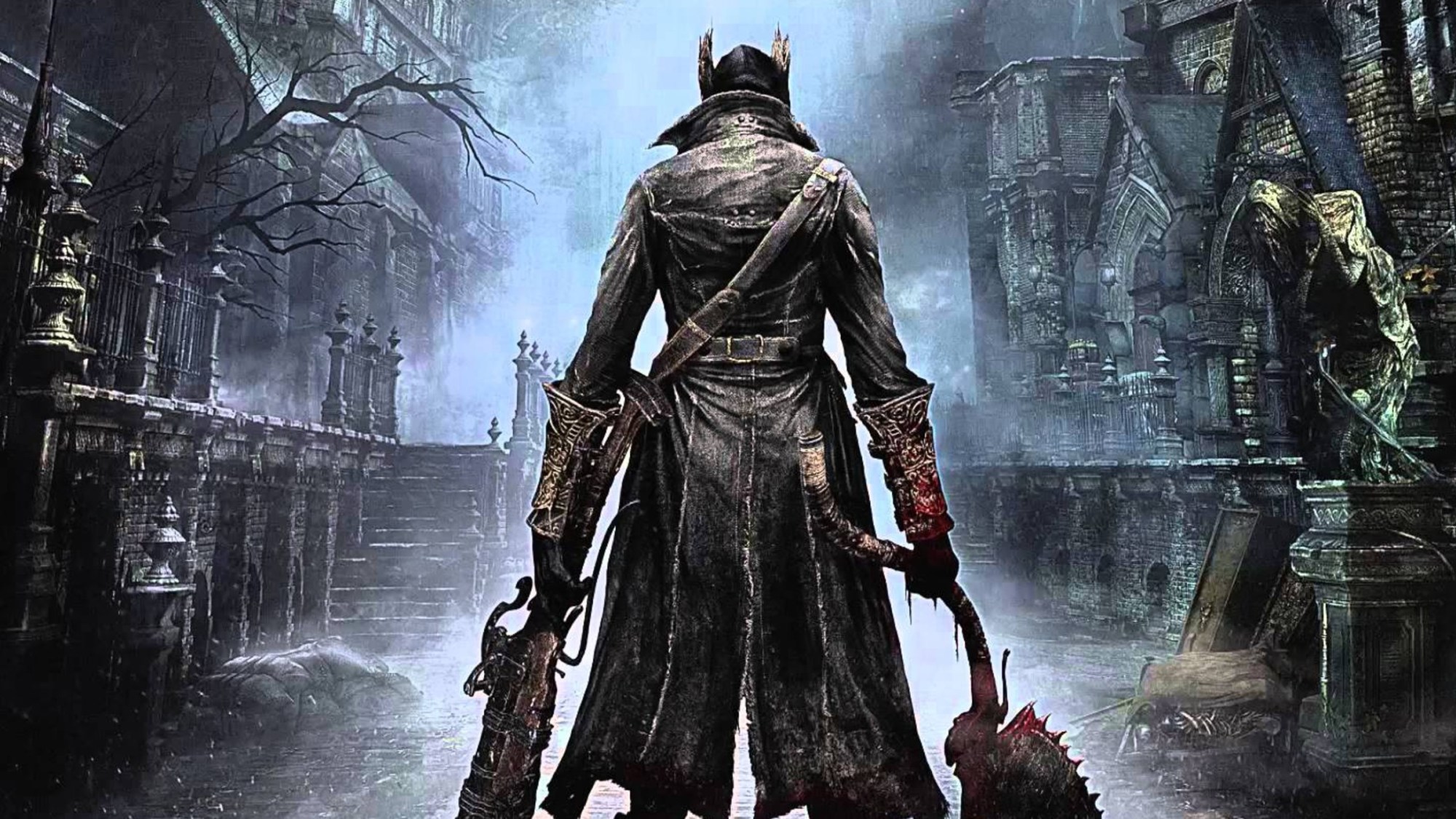
At CinemaCon 2026, Sony Pictures announced an R-rated animated adaptation of the acclaimed PlayStation title “Bloodborne.” Produced in collaboration with influencer Sean McLoughlin (Jacksepticeye), this project signifies a calculated pivot in Sony’s transmedia strategy. By shifting focus from broad-audience adaptations toward high-fidelity, niche-audience content, Sony is recalibrating its capital allocation to leverage the inherent, deep-seated value of its mature intellectual property.
This initiative follows the proven success of HBO’s “The Last of Us,” which demonstrated that narrative-heavy, internally developed IP possesses significant theatrical and streaming viability. Sony is effectively moving away from aggressive external acquisitions, instead opting to prioritize internal studio assets that boast established, loyal fanbases.
Strategic Rationale: Why Animation and an R-Rating?
The decision to pursue an R-rated animated format directly addresses the creative challenges of “Bloodborne.” The game’s Lovecraftian horror and uncompromising aesthetic are difficult to capture in live-action without losing the nuance that defines the experience. Animation provides the necessary creative latitude to maintain the game’s signature dark atmosphere, while the R-rating serves as a commitment to the core audience, signaling that the studio is prioritizing artistic integrity over watered-down, mass-market appeal.
Stakeholder Implications and Creative Risk
Fan reception to “Bloodborne” adaptations is historically polarized, primarily due to the game’s reliance on environmental storytelling rather than traditional linear narrative. The fundamental challenge for Sony lies in translating cryptic lore into a cohesive screenplay without alienating the purist segment of the community. Success hinges on a delicate balance: preserving the source material’s ambiguity while crafting a narrative arc strong enough to function as a standalone film.
Transmedia Consolidation and Competitive Positioning
Sony’s aggressive expansion into transmedia—exemplified by both the “Bloodborne” film and a live-action “Legend of Zelda” project with Nintendo—positions the studio at the forefront of a consolidating industry. Unlike Microsoft, which focuses on integrating gaming properties into proprietary streaming ecosystems, Sony is utilizing a multi-platform distribution model. By targeting high-profile theatrical releases, Sony ensures these niche IPs reach their maximum market potential, establishing a durable competitive advantage in the entertainment landscape.
The New Production Model: Influencers as Stakeholders
The appointment of Sean McLoughlin as a producer introduces a novel model for audience validation. Rather than using influencers solely for marketing, Sony is integrating them into the creative process. McLoughlin’s involvement serves as a direct bridge to the gaming community, potentially mitigating fan skepticism and ensuring the final product remains authentic to the source material’s ethos. This approach highlights an evolving trend where audience-adjacent credibility is viewed as a critical component of project development.
Operational Strategy: Market Signaling at CinemaCon
By unveiling “Bloodborne” at CinemaCon, Sony is explicitly signaling to exhibitors that this is a priority theatrical release. This commitment reinforces the studio’s broader strategy to use cinema to elevate gaming IPs, countering the narrative that gaming adaptations belong exclusively to streaming platforms. By securing early buy-in from theater owners, Sony is positioning its gaming catalog as the next major pillar of the cinema-going experience.