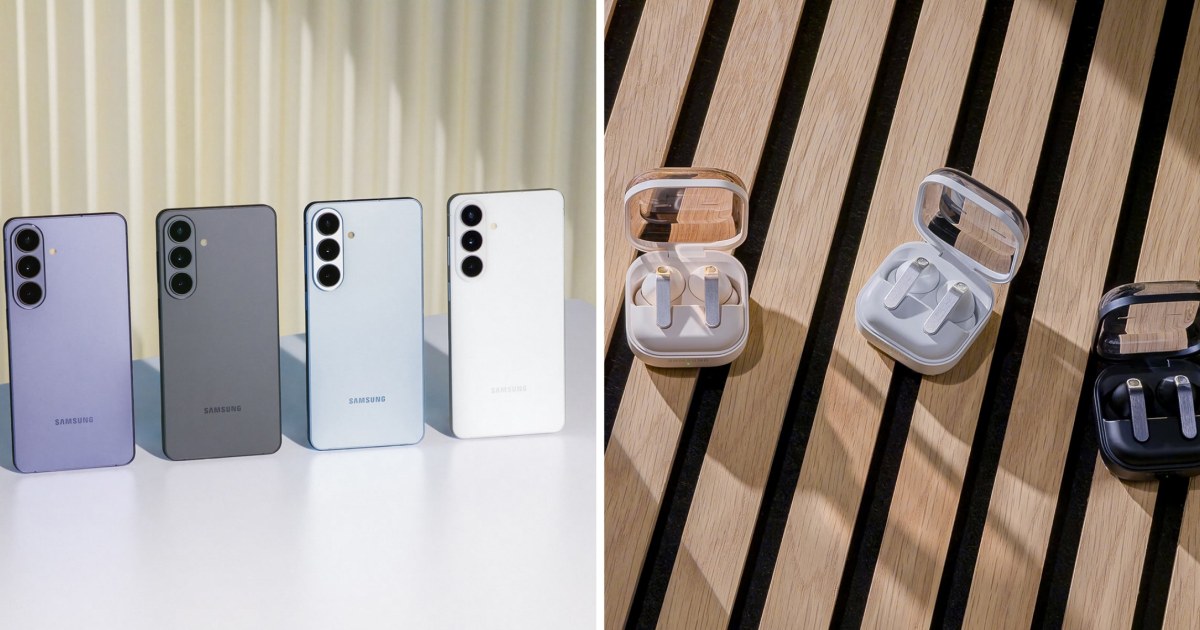
Samsung Electronics has recalibrated its flagship trajectory with the unveiling of the Galaxy S26 series—comprising the S26, S26 Plus, and S26 Ultra. This iteration marks a structural departure from previous cycles by eliminating the 128GB storage tier. By establishing a 256GB baseline, Samsung is not merely offering more capacity; it is engineering a hardware floor capable of sustaining the high-velocity data throughput required by localized Generative AI models and high-bitrate spatial media.
ASP Optimization and the 256GB Floor
The transition to a 256GB minimum storage configuration has fundamentally shifted the series’ pricing architecture. The Galaxy S26 now enters the market at $899, with the S26 Plus at $1,099—a $100 MSRP increase across both models. This adjustment suggests a strategic move to protect hardware margins against the escalating costs of advanced NAND flash and specialized 3nm silicon. For carrier partners like T-Mobile, this higher entry point necessitates a pivot toward aggressive trade-in incentives to maintain high upgrade volumes in a price-sensitive consumer environment.
Silicon Leverage: The Snapdragon 8 Elite Gen 5
Powering this transition is the Snapdragon 8 Elite Gen 5 for Galaxy. This bespoke silicon is optimized for ‘Intuitive Galaxy AI,’ prioritizing Neural Processing Unit (NPU) efficiency to handle persistent background AI tasks without thermal throttling. For Qualcomm (QCOM) stakeholders, this partnership secures high-tier dominance within the Android ecosystem, signaling a shift where silicon branding is as vital to the value proposition as the hardware design itself.
Logistical Execution and Battery Density
Maintaining its rigorous seasonal cadence, Samsung confirmed a March 11th retail launch following the February announcement. This timeline allows for optimal inventory distribution ahead of Q1 financial reporting. To support the increased computational overhead of the Gen 5 chip, the base S26 has been upgraded to a 4,300 mAh battery. This 300 mAh increase over its predecessor is a functional necessity to offset the power draw of the 120Hz LTPO displays and constant AI polling, ensuring operational longevity matches the extended seven-year software support commitment.
Ecosystem Synergy: Galaxy Buds 4 Pro
The simultaneous release of the Galaxy Buds 4 Pro serves as a force multiplier for the S26 launch. By leveraging the low-latency capabilities of the new Snapdragon silicon, these peripherals offer enhanced ecosystem integration. This ‘better-together’ strategy is designed to increase Average Revenue Per User (ARPU) and consolidate brand loyalty through a unified hardware-software experience that competitors struggle to replicate outside of a vertically integrated model.
Conclusion: A Value-Oriented Pivot
The Galaxy S26 series represents a maturation of the smartphone market, where raw specifications are secondary to integrated intelligence and margin sustainability. By moving the premium floor to $899 and 256GB, Samsung is challenging the industry to abandon legacy configurations in favor of AI-ready infrastructure. The success of the S26 will be measured not just in units shipped, but in the market’s acceptance of a new, higher-priced standard for the flagship experience.