A Cultural Epoch Concludes: The Demise of S. Janaki
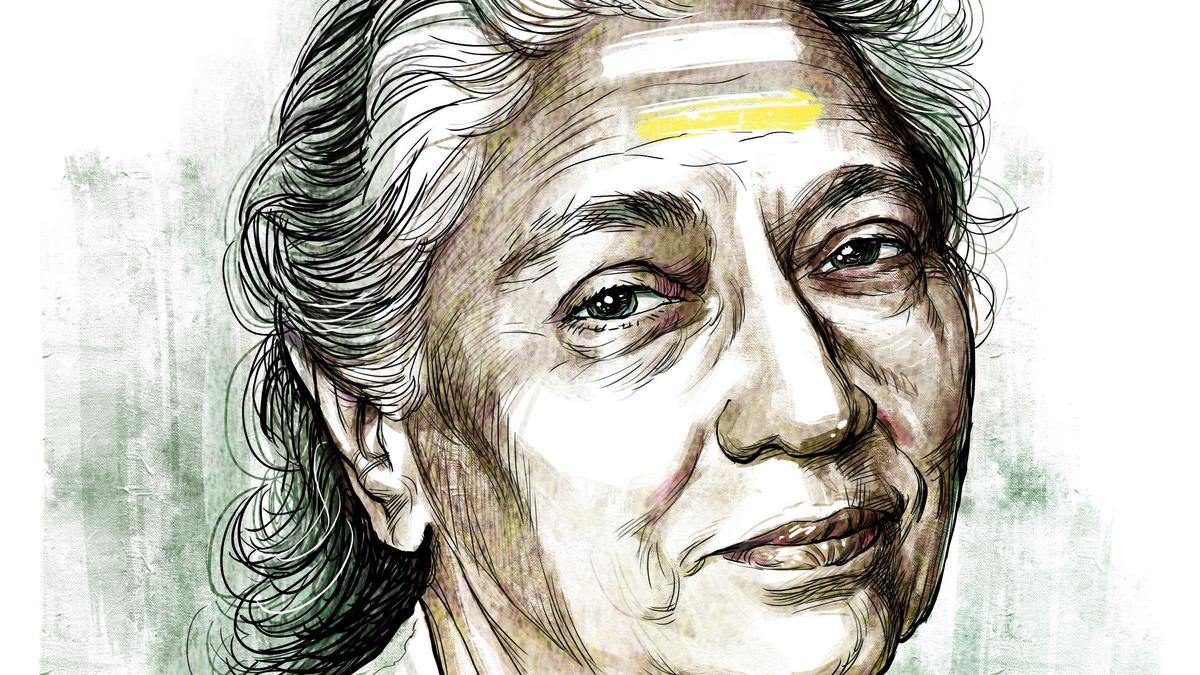
The passing of iconic playback singer S. Janaki on July 11, 2026, at the age of 88, marks a significant moment for the cultural landscape of South India. Her demise, following multiple cardiac arrests while undergoing treatment at Apollo BGS Hospital in Mysuru, concludes a career spanning over six decades that profoundly shaped the very fabric of South Indian cinematic and musical identity.
Her unparalleled vocal artistry, distinguished by an astonishing ability to convey the full spectrum of human emotions—from exuberant joy and tender longing to profound sorrow and maternal affection—established her as a singular force in Indian music. This rare gift allowed her songs to become intimately woven into the collective cultural consciousness of millions across diverse linguistic communities.
The Strategic Depth of a Six-Decade Career
Spanning over sixty years, Janaki’s career trajectory epitomizes remarkable adaptability and sustained relevance within a dynamic, often volatile, entertainment industry. This exceptional longevity transcends individual talent, reflecting structural facets of the Indian film music ecosystem that deeply value and integrate enduring artistic contributions across generations.
Her strategic collaborations across successive generations of composers, from pioneers like T. Chalapathi Rao to contemporary maestros such as A.R. Rahman, attest to an unparalleled capacity for artistic evolution. This continuous, cross-generational engagement ensured her voice remained a consistently high-value artistic asset, transcending distinct creative periods and stylistic shifts.
A pivotal collaboration was with Ilaiyaraaja in his debut film Annakili (1976), which marked its 50th anniversary in 2026. This partnership not only solidified Janaki’s artistic prominence but also demonstrably contributed to launching new musical eras and establishing a commercial and artistic landmark in Tamil film music.
Further cementing her intergenerational appeal, her collaborations with A.R. Rahman on iconic Tamil songs—including Ottagathai Kattikko, Gopala Gopala, Nenjinile Nenjinile, and Margazhi Thingal Allava—showcased her remarkable versatility. This capability to bridge profound stylistic shifts, from classical-influenced melodies to modern, globally-infused compositions, exemplifies a strategic flexibility vital for sustained artistic and market leadership.
Operational Scale and Market Penetration
Janaki’s discography, an astonishing repository of over 40,000 songs spanning nearly 20 Indian languages, stands as an extraordinary operational achievement within the global music industry. This unparalleled output signifies not merely immense productivity, but profound linguistic versatility, enabling her to simultaneously penetrate and significantly influence diverse regional markets.
Her pan-Indian linguistic mastery positioned her as a singular unifying cultural force, effectively transcending the often-segmented nature of regional film industries. Her voice served as a common, resonant thread across the diverse musical tapestries of Telugu, Tamil, Kannada, Malayalam, and other languages, cultivating unique brand equity rooted in universal appeal.
Such a vast catalog of intellectual property holds significant long-term value, influencing royalty streams, licensing agreements, and the cultural memory economy. The enduring popularity of these songs ensures a continuous engagement with her artistic legacy, providing sustained leverage for stakeholders involved in music rights management and cultural preservation.
Institutional Recognition and Public Reverence
The conferral of full state honours during her burial in Kaniyanahundi near Mysuru profoundly underscores institutional recognition of her monumental cultural contributions. This gesture elevates her status beyond mere entertainment, affirming her as a figure of national importance and acknowledging the state’s imperative in honoring unparalleled artistic excellence.
Her four National Film Awards for Best Female Playback Singer further validate her critical acclaim and establish a benchmark for vocal performance within the Indian film industry. These accolades serve as a powerful signal of quality and artistic integrity, influencing industry standards and inspiring future generations of artists.
Public mourning at Maharaja’s College Grounds in Mysuru, attended by colleagues from the film and music industries, alongside political leaders, powerfully evidenced the collective impact of her life. This extensive public reverence reinforces the perception of cultural icons as shared national assets, whose passing profoundly resonates across societal strata.
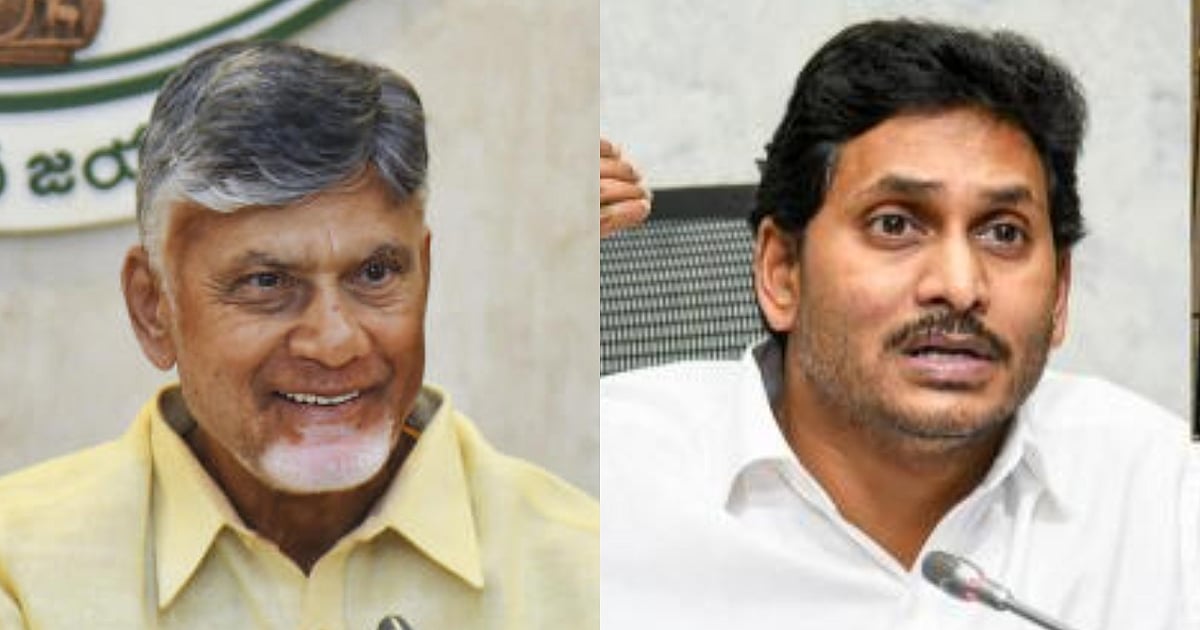
Condolences from political figures, including Andhra Chief Minister Naidu and Jagan, who lauded her as the “unparalleled voice of Indian music” and a “daughter of Telugu soil,” demonstrate the intersection of art, regional identity, and political discourse. Such statements reflect the strategic importance of cultural figures in shaping public sentiment and regional pride.
Stakeholder Implications and Legacy Management
The decision to conduct the funeral at her farmhouse, honoring Janaki’s personal wish, yet juxtaposed with full state honours and extensive public engagement, profoundly illustrates the complex dynamics of managing a public figure’s legacy. This delicate balance between private preference and public reverence represents a critical dimension of post-demise reputation and cultural heritage management.
Public statements from her granddaughter, Apsara, during the last rites, further exemplify the pivotal role of family in shaping the narrative surrounding a cultural icon’s passing. These interactions are crucial for conveying intimate personal reflections amidst intense media scrutiny and public sentiment.
The enduring presence of her songs in the cultural memory of South India ensures that her artistic contributions will continue to influence future generations of musicians, filmmakers, and audiences. Her legacy provides a rich repository for academic study, artistic inspiration, and commercial re-engagement, sustaining her impact far beyond her lifetime.
For the music industry, Janaki’s career serves as a case study in sustained artistic relevance and market dominance through versatility and consistent quality. Her ability to navigate technological shifts and evolving musical tastes offers strategic insights for artists seeking long-term career viability in a rapidly changing media landscape.
The collective outpouring of grief and respect, from political leaders to the general public, underscores the profound societal leverage held by artists who become synonymous with cultural identity. This phenomenon reinforces the intrinsic value of artistic expression as a cornerstone of communal life and historical continuity.
Her unparalleled vocal range and emotional depth set a high bar for aspiring playback singers, influencing pedagogical approaches and performance standards within music academies. The continued study and appreciation of her vast repertoire will ensure that her unique artistic contributions remain a foundational element of Indian vocal tradition.
The 50th anniversary of Annakili in 2026, coinciding with her passing, provides a poignant moment for reflection on the evolution of film music and her integral role in its development. This temporal alignment highlights the cyclical nature of cultural memory and the enduring power of landmark artistic achievements.
Ultimately, S. Janaki’s passing signifies not merely the end of a life, but the profound transition of a living legend into an immortal cultural institution. Her iconic voice, having transcended geographical and linguistic barriers, will eternally resonate as a testament to music’s unifying and transformative power, irrevocably solidifying her position as an irreplaceable pillar of South Indian heritage.