The Structural Mechanics of Maritime Displacement
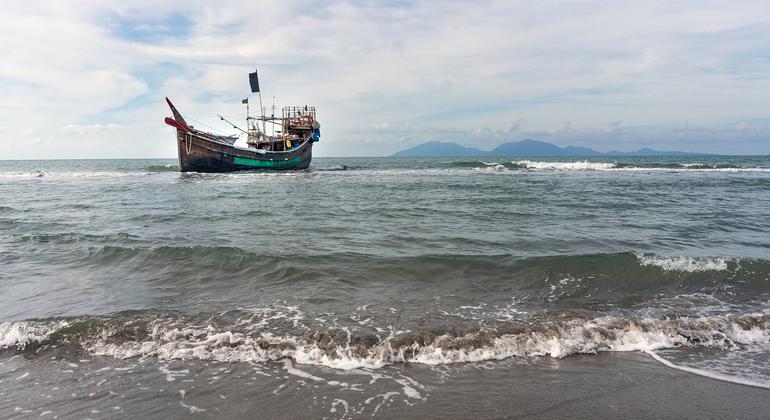
The disappearance of two vessels carrying over 500 Rohingya refugees in the Bay of Bengal highlights a critical breakdown in regional protection frameworks. These incidents are not anomalies but the direct consequence of a ‘push-factor’ environment where stateless populations, fleeing systemic persecution in Rakhine State, are compelled to utilize illicit maritime networks. The operational logic of these networks prioritizes profit margins over vessel structural integrity, turning high-risk transit into a lethal necessity.
Funding Contractions and Operational Desperation
Humanitarian operations in Bangladesh are currently suffering from acute funding shortfalls, which have curtailed essential services for the refugee population. This decline in aid efficacy functions as a geopolitical lever, forcing displaced individuals to seek exit strategies via the open ocean. Consequently, the reliance on substandard vessels is a byproduct of collapsed local integration prospects, effectively stripping refugees of any viable alternative to high-stakes maritime migration.
Geopolitical Catalysts and State Failure
The 2021 military coup in Myanmar has decimated the security landscape for the remaining 630,000 Rohingya. With no state apparatus functioning to uphold minority rights, the exodus has accelerated. The international classification of these conditions as genocide underscores the inadequacy of current diplomatic strategies. These shipwrecks serve as empirical evidence that existing regional deterrence policies—focused primarily on border securitization rather than addressing the root causes of statelessness—have failed to mitigate, and may have exacerbated, the volatility of these transit corridors.
Analytical Outlook: The Cost of Inaction
The absence of coordinated state-led maritime search-and-rescue protocols in contested regional waters ensures that vessel distress incidents frequently transition into total loss-of-life events. Without a fundamental shift toward addressing the legal status of the Rohingya and facilitating secure pathways, the cycle of maritime tragedy remains a structural feature of regional geopolitics rather than a temporary emergency.