Strategic Foundations: The Architecture of Vertical Integration
The 30th anniversary of Pokémon serves as a definitive case study in transforming niche software into the highest-grossing media franchise in documented history. Launched in 1996 for the Nintendo Game Boy, the brand’s initial trajectory was defined by hardware-specific constraints that prioritized social connectivity through the ‘Link Cable.’ This foundational mechanic created a low-friction entry point, fostering a self-sustaining peer-to-peer marketing loop that moved over one million units in its inaugural year.
By leveraging this early capital to penetrate multiple media verticals—specifically broadcast animation and physical collectibles—The Pokémon Company established a circular ecosystem. Each vertical functions as a lead-generation tool for the others: the anime drives software sales, while the software validates the underlying value of the Trading Card Game (TCG). This synergy ensures high consumer retention and maximizes lifetime value (LTV) across diverse demographics.
The Assetization of Nostalgia: TCG as an Institutional Grade Class
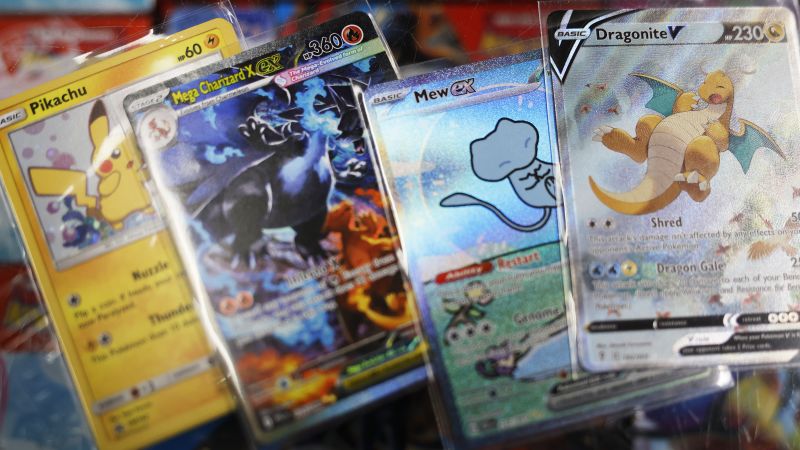
The transition of the Pokémon TCG from a recreational hobby to a sophisticated alternative asset class represents a pivotal shift in the franchise’s economic structure. The secondary market for vintage assets, exemplified by high-grade specimens reaching valuations of $25,000 or more, is now characterized by institutional-grade metrics, including professional grading (PSA/BGS) and speculative liquidity. This market is no longer driven by utility within the game’s mechanics but by historical scarcity and the entry of high-net-worth investors seeking non-correlated assets.
However, this professionalization introduces systemic risks. The decoupling of ‘play value’ from ‘market value’ creates significant barriers to entry for younger participants. To maintain brand integrity, the franchise must navigate the tension between the prestige of high-value collectibles and the accessibility required to sustain a healthy player base, ensuring that market volatility does not overshadow the core product experience.
Operational Resilience Through Mobile Innovation
Pokémon’s longevity is bolstered by its agility in adopting emerging technologies. The launch of Pokémon GO in 2016 served as a critical operational pivot, utilizing augmented reality (AR) to capture a non-traditional gaming audience. This expansion did not cannibalize existing revenue streams; rather, it converted location-based data into active engagement, bridging the gap between digital interaction and physical movement.
This mobile-first strategy provides real-time consumer insights that traditional software cannot match. By integrating these data-driven feedback loops with legacy IP, the franchise mitigates the risk of brand stagnation. This multi-pillar approach—spanning software, cinema, mobile, and physical merchandise—insulates the franchise from localized downturns in any single sector, providing a level of financial stability unique in the entertainment industry.
Intergenerational Capital and Global Ubiquity
The primary driver of Pokémon’s sustained dominance is its ‘dual-track’ demographic strategy. By retaining the original 1996 cohort—who now possess significant disposable income—while simultaneously acquiring younger audiences, the brand benefits from compounding generational capital. Adult fans provide the liquidity for the high-end TCG and premium merchandise markets, while younger fans ensure the continued relevance of new software and media content.
This cross-cultural gameplay loop transcends linguistic barriers, allowing for a standardized brand identity that scales globally. As the franchise enters its fourth decade, its institutional knowledge in managing a vast, interconnected universe of characters provides a competitive moat that is virtually impossible for new entrants to replicate. The strategic focus remains on long-term brand equity, positioning Pokémon not merely as a gaming property, but as a permanent fixture of the global economic and cultural landscape.