Strategic Market Reorientation and Scheduling Agility
The confirmation of the October 9, 2026, premiere for Avatar: Seven Havens signifies a tactical recalibration of Paramount’s streaming distribution matrix. By reallocating the slot previously designated for the Aang: The Last Airbender feature—now rescheduled for July 25, 2025—Paramount is executing a counter-cyclical release strategy. This maneuver mitigates the impact of recent digital security breaches while ensuring the streaming ecosystem benefits from the theatrical momentum generated by the preceding film.
This scheduling optimization reflects a broader commitment to stabilizing the Paramount+ fall inventory. By utilizing the 2026 window, Avatar Studios—led by Michael Dante DiMartino and Bryan Konietzko—aims to close the decade-long production hiatus in animated serialization. The move positions the franchise as a central pillar of subscriber retention, transitioning from a legacy broadcast property to a flagship streaming vertical.
Thematic Subversion: From Savior Archetype to Survivalist Narrative
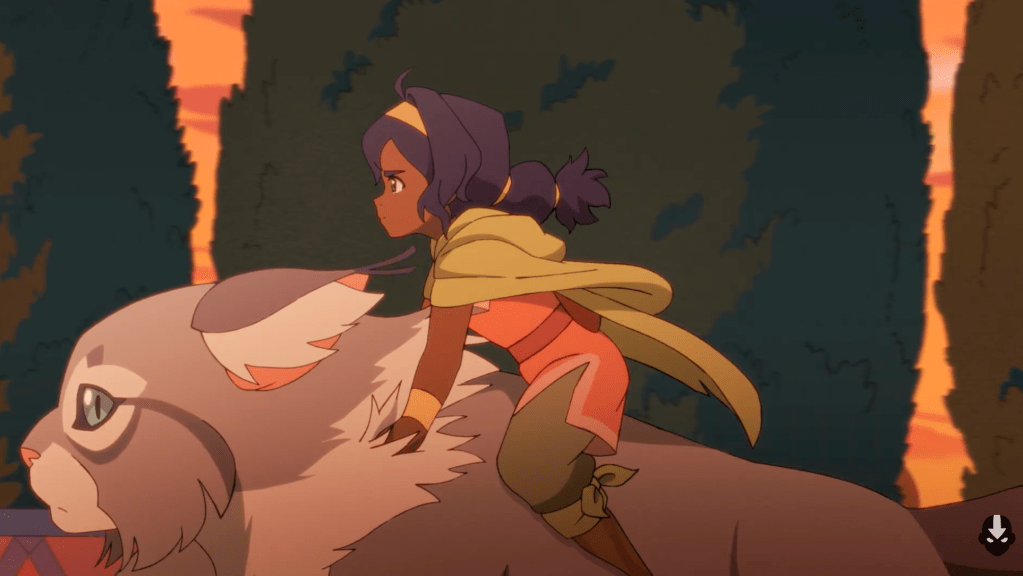
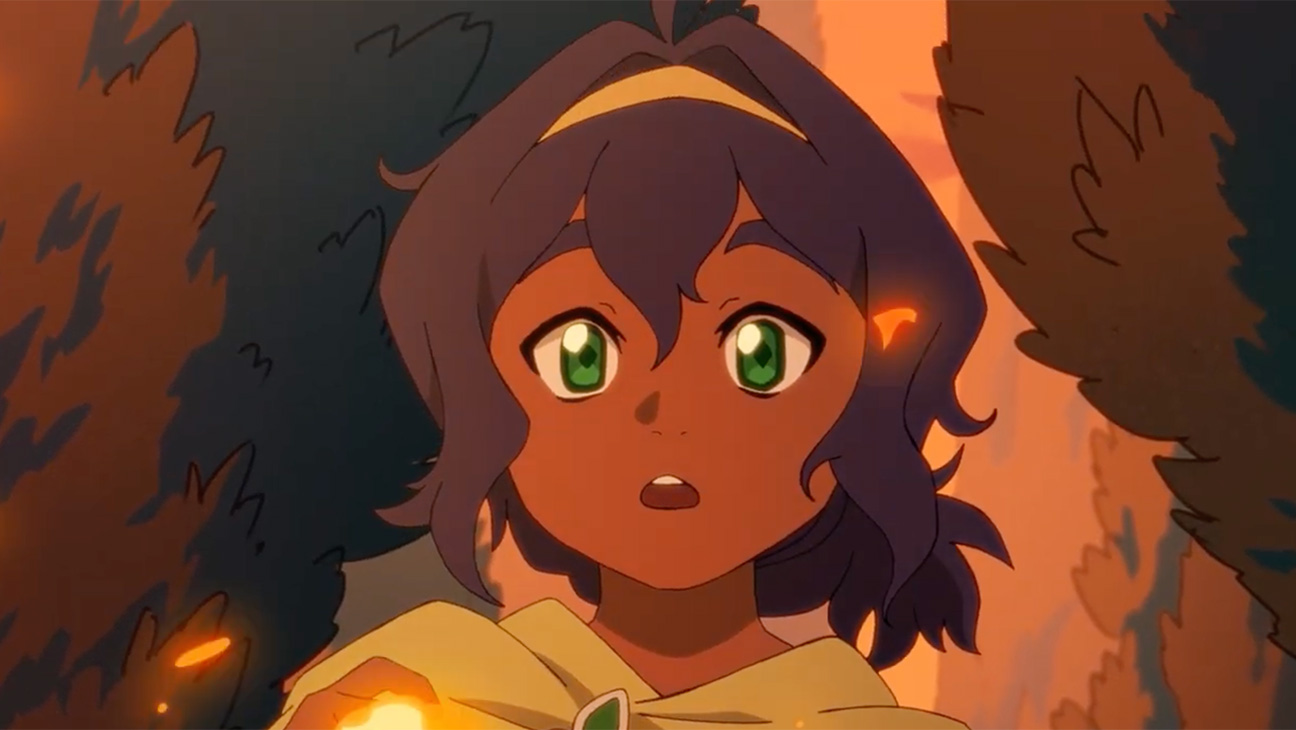
Seven Havens introduces a profound paradigm shift in the franchise’s narrative architecture. By characterizing the new Earthbender Avatar as a potential existential threat rather than a predestined savior, the series targets a more mature demographic. This subversion of the “chosen one” trope aligns with the evolving sensibilities of a global audience that has matured since the brand’s 2005 inception.
The setting—a world fragmented by global cataclysm—functions as a strategic “soft reboot.” By dissolving the geopolitical frameworks established in the Aang and Korra eras, the creators have engineered a lower barrier to entry for new viewers. The inclusion of a dual-protagonist dynamic involving a lost twin facilitates a multi-layered exploration of this broken world, moving away from a singular, centralized perspective toward a more complex, survivalist conflict.
Operational Logistics and Talent Distribution
The commitment to 26 episodes, organized into two 13-episode books, provides a robust content inventory designed to sustain long-term engagement. While the specific release cadence—binge vs. weekly—is still under internal review, a staggered rollout is likely to maximize social discourse and cultural footprint. This production volume demonstrates the disciplined output of a modernized Avatar Studios pipeline.
Casting choices, including Saheli Khan and Akshay Khanna, emphasize a strategy of global representation that bolsters the brand’s international market equity. Simultaneously, the return of Dee Bradley Baker ensures institutional continuity, serving as a quality signal to core enthusiasts. This synthesis of new and legacy talent is vital for maintaining the creative integrity of the IP during its transition into more survival-driven, darker thematic territory.
Institutional Implications and Platform Value
The 21-year evolution of the Avatar intellectual property reflects the macro-shifts in the media landscape. Seven Havens serves as a critical test case for Paramount’s ability to scale high-fidelity, serialized animation within a competitive streaming environment. As a high-value exclusive, the series acts as a differentiator against rival platforms, leveraging fan-centric velocity generated at major industry events like San Diego Comic-Con.
Ultimately, Avatar: Seven Havens is a strategic maneuver to transform a nostalgia-driven property into a sustainable, multi-generational cinematic universe. Its success will be gauged by its ability to bridge the gap between legacy lore and contemporary narrative demands, redefining the functional role of the Avatar within a post-institutional society.